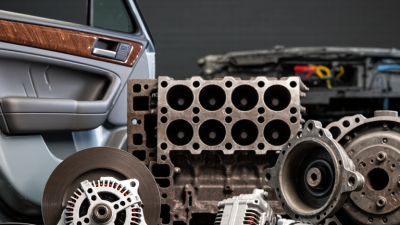
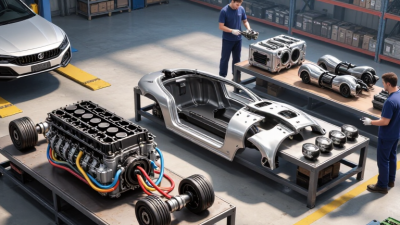
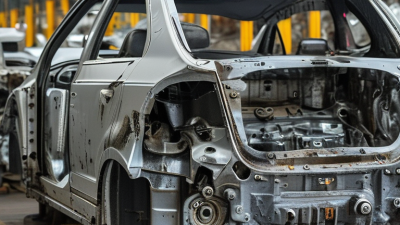
What junk car parts will buyers seek most in 2026? The answer depends on vehicle age, local repair costs, and the number of matching models on the road. Still, several categories tend to attract steady interest: engines, transmissions, alternators, starters, body panels, mirrors, wheels, and original electronic modules. Popular trucks and older commuter cars can create especially strong demand for compatible replacements.
Condition matters as much as the part itself. A clean door with intact wiring, for example, may be easier to sell than a badly scratched panel from the same model. Buyers also look for clear photos, accurate part numbers, mileage information, and signs of damage. Small details count. A cracked connector can turn a useful module into a frustrating purchase.
Demand is not a guarantee of profit. Prices shift with supply, shipping costs, vehicle compatibility, and repair trends, so broad predictions should be treated cautiously. Safety-critical parts, including brakes and steering components, need careful inspection and reliable sourcing. Some parts may look usable but hide wear that is hard to spot. That deserves a second look. This guide explores which junk car parts are likely to draw attention in 2026, why buyers want them, and what sellers should verify before listing them.
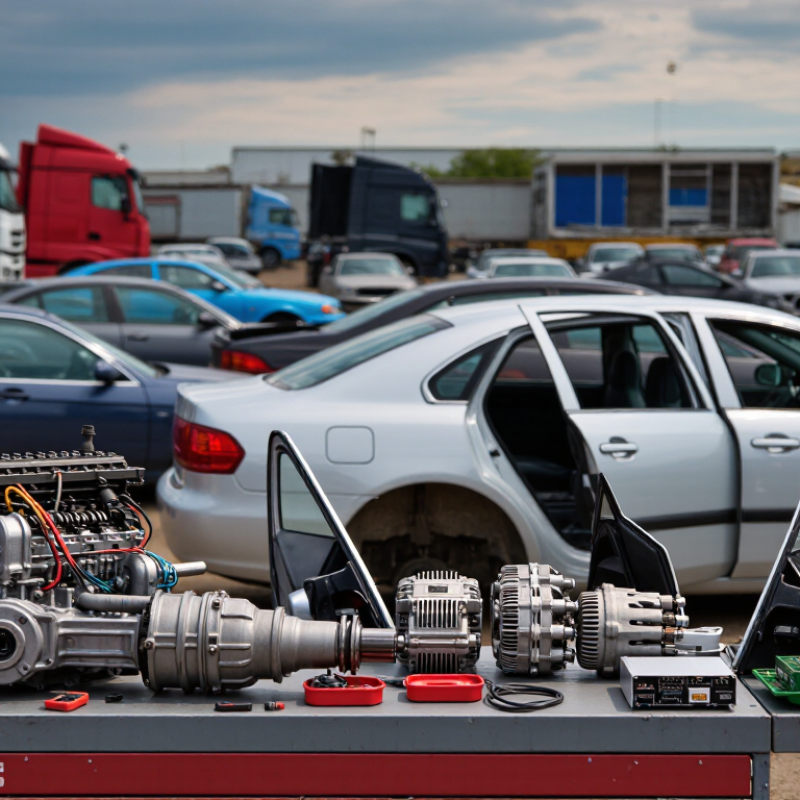
Certain junk car parts attract buyers because they solve common failures without the cost of new replacements. S&P Global Mobility reported that the average age of U.S. light vehicles reached 12.6 years in 2024. Older cars often need alternators, starters, window regulators, mirrors, and replacement body panels. Small details matter: a cracked mirror housing or a weak starter can make an otherwise usable vehicle difficult to keep on the road.
Repair economics also shape demand. The Auto Care Association’s 2024 Factbook projected U.S. automotive aftermarket sales of about $435 billion that year. That figure covers the broader aftermarket, not used parts alone, but it reflects substantial ongoing repair activity. Buyers tend to favor parts that are costly new, easy to inspect, and compatible with many vehicles. A tested alternator may be appealing; an unverified electronic module may not be. Fitment matters.
Condition and confidence matter just as much as price. Clear photos, mileage information, and a matching part number help buyers judge what they are purchasing. For example, a door with intact hinges and no deep rust is easier to assess than one shown from only one angle. Still, age alone does not guarantee demand. Some components are difficult to test or costly to install, so a cheap part can become an expensive mistake.
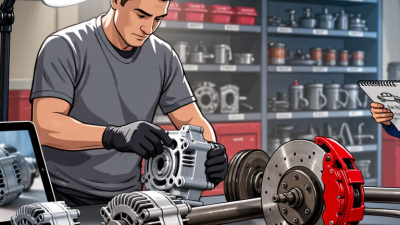
Used engines and transmissions often draw the most attention because they can restore a vehicle without replacing it. Buyers usually check mileage, service history, and compatibility before purchase. A low-mileage engine may still be a poor choice if its maintenance record is unclear. It happens.
Alternators, starters, and compressors are common repair choices, too. These bolt-on components can address charging, starting, or air-conditioning problems without replacing a major assembly. Body panels, mirrors, and lamps are also sought after after collisions; their value depends on matching the vehicle’s year, trim, and mounting points. The U.S. vehicle fleet reached an average age of 12.6 years in 2024, according to S&P Global Mobility’s vehicle-age report. Older vehicles often need practical repairs, but that figure does not establish a universal parts ranking.
Wheels, window regulators, and interior controls are smaller-ticket options with clear uses: replacing damaged rims, restoring a stuck window, or fixing a broken switch. The U.S. Environmental Protection Agency reports that roughly 12 million vehicles are recycled annually. That supports a substantial pool of reusable material, though availability varies by region and model. Inspect connectors, cracks, corrosion, and wear before buying. A part can look fine on a shelf and fail under load.
In 2026, demand for used car parts depends on more than a vehicle’s age. Older vehicles often need alternators, starters, window regulators, and body panels after years of wear. Yet a newer model can also create strong demand when its parts are costly or temporarily scarce. A cracked headlight or damaged mirror may be more urgent than a major engine component.
Model popularity matters because widely driven vehicles create a larger pool of potential buyers. But popularity does not guarantee every part sells quickly. Trim level, engine type, and production changes can affect whether a component fits. Supply matters, too. A part with few reliable replacements may attract attention, while common items can sit on a shelf. Condition and clear fitment details help buyers judge value. These patterns shift by region, so demand estimates are never exact.
Tips: Check the vehicle identification details and match part numbers before listing or buying. Photograph connectors, mounting points, and wear closely. Keep an eye on local listings; national trends may miss what nearby repair shops need. I have seen clean parts overlooked because the description was vague. That is easy to fix, though sellers sometimes forget it.
Illustrative relative-demand index by vehicle age (0–100; higher means stronger typical resale interest). These are directional estimates, not measured sales data.
Engines, transmissions, and body panels can retain strong demand when compatible vehicles remain on the road. Newer vehicles may have higher-value electronics and safety components, while older, common models can offer a larger pool of potential buyers. Actual demand varies with model popularity, part condition, repair costs, and local supply.
Finding valuable used car parts starts with choosing a source that can answer specific questions. Established salvage yards and vehicle recyclers often organize parts by year, make, model, and engine type. Ask whether the part was tested, how many miles the donor vehicle had, and whether returns are allowed. A clean casing tells you very little about what is happening inside.
Online salvage marketplaces can help compare prices across a wide area. Check the seller’s photos carefully, and request close-ups of connectors, mounting points, and labels. For engines, alternators, and electronic modules, compatibility matters as much as condition. Match part numbers when possible, then confirm fitment with a qualified technician. Small mismatch, big headache.
Local repair shops may also know reliable dismantlers or have removed parts with documented histories. Auto recyclers can be useful for headlights, mirrors, doors, and wheels, especially when you can inspect them in person. Look for cracked tabs, bent edges, corrosion, and water marks. I would not trust a vague “works fine” claim on its own. Ask for a written receipt and clear return terms before paying. A bargain is only valuable if the part fits and performs.
| Part Category | Typical Demand | Why Buyers Look for It | Best Sources | Key Checks Before Buying |
|---|---|---|---|---|
| Engines and long blocks | High for common vehicle applications | Replacing a failed engine with a used unit can cost less than a new or remanufactured replacement. | Automotive recyclers, salvage yards, dismantlers, and specialist used-engine sellers | Match the engine code and fitment; ask for mileage, test results, included components, warranty, and return terms. |
| Transmissions and transfer cases | High when the exact configuration is available | These assemblies can be costly to replace, while a verified used unit may offer a lower-cost repair option. | Full-service recyclers, salvage yards, and drivetrain dismantlers | Confirm transmission code, drive type, connectors, control-module compatibility, mileage, and warranty coverage. |
| Doors, hoods, bumpers, and fenders | High for popular models and matching colors | Used body panels can help reduce repair costs after collision damage; factory paint may also reduce refinishing work. | Local salvage yards, vehicle dismantlers, and online recycler inventories | Check model year, trim, side, paint code, mounting points, corrosion, and shipping or pickup costs. |
| Headlights and taillights | High, especially for newer vehicles and intact assemblies | Lighting assemblies are often damaged in minor collisions and can be expensive to replace new. | Automotive recyclers, salvage yards, and used-part marketplaces | Match the part number and lighting type; inspect lenses, tabs, seals, wiring, and moisture damage. |
| Alternators, starters, and other accessories | Steady for common, compatible applications | These components are frequently replaced during routine repairs, and used units can be economical when tested. | Self-service yards, full-service recyclers, and repair-shop parts networks | Verify fitment and electrical connections; ask whether the unit was tested and whether a core charge applies. |
| Wheels and tires | Moderate to high when size and condition are right | A matching wheel can replace collision damage, while usable tires may provide a lower-cost option. | Salvage yards, tire recyclers, and local used-parts sellers | Check bolt pattern, offset, diameter, load rating, cracks, bends, tire age, tread depth, and uneven wear. |
| Electronic control modules and sensors | Moderate; demand depends on exact vehicle and programming needs | A used module or sensor may solve a specific fault, but compatibility and setup can be vehicle-dependent. | Specialist dismantlers, automotive recyclers, and electronics-focused used-part sellers | Match part numbers and software requirements; confirm programming, anti-theft pairing, testing, and return policies. |
| Seats and interior trim | Moderate, with stronger interest in clean, complete sets | Interior pieces can be difficult to match and may be less expensive used when the upholstery and fittings are intact. | Self-service salvage yards, dismantlers, and local used-part listings | Check trim color, seat features, electrical connectors, stains, odors, tears, and airbag-related components. |
Demand and resale value vary by vehicle, region, condition, fitment, and local regulations. This table gives a general market guide, not a universal ranking or price forecast. Safety-critical components and emissions-related parts may be subject to inspection, installation, or resale requirements.
High-demand parts often include engines, transmissions, alternators, starter motors, catalytic converters, and undamaged body panels. Demand depends on the vehicle, local repair needs, and part condition. Check the odometer, service records, and visible damage before estimating value. Photograph casting marks, connectors, and mounting points; buyers need details to confirm fit. A clean part is not automatically a good part. If it cannot be tested, say so.
Remove parts only when you can work safely and identify what you are disconnecting. Park on level ground, secure the vehicle with proper stands, and use eye protection and suitable tools. Drain fluids into approved containers for proper disposal. Airbags, high-voltage hybrid batteries, and pressurized systems require trained handling. Stop if a component is unclear. A rushed removal can damage wiring or make a sale unsafe.
Before listing, compare recent local prices for the same model and year. Include clear photos, part numbers, known faults, and whether testing was possible. Keep bolts and small brackets with the part; they matter to a repairer. Agree on pickup or shipping details in advance, and describe the condition honestly. I would not price every item optimistically—some parts simply sit. Transparency can save time and avoid disputes.
Logel’s Auto Parts
116 Bridge St East
Kitchener, Ontario
N2K 1J6
Phone: 519-745-4751
Toll Free: 1-800-818-9118
Hours 8:00-5:00 Monday to Friday
At Logel’s Auto Parts, we serve a range of communities in Southern Ontario, including:
Sign up today for the latest updates from the Logel’s Auto Parts team, including pricing for scrap vehicles, our newest product lines, current operating hours, and much more.