Buying scrap car parts online can stretch a repair budget, but a bargain is useful only when the part fits and arrives as described. A polished listing photo may hide worn connectors, missing brackets, or damage around mounting points. Match the vehicle’s year, make, model, engine, and trim, then compare part numbers whenever available. Small differences matter. A door mirror or alternator can look right while differing in plugs, features, or mounting. Even careful buyers sometimes miss one detail.
This guide introduces ten practical checks for choosing scrap car parts from online sellers. It covers clear photos, accurate descriptions, fitment confirmation, seller history, payment safety, and return terms. Ask direct questions about tested function, visible wear, included hardware, and packaging before ordering. Keep screenshots of the listing and written replies; they can help resolve confusion if the delivered item differs. Compare the total cost, including shipping, against the price of a tested alternative. A cheap part is not cheap after repeated labor. Some sellers provide more detail than others, and online descriptions are not always complete. That deserves thought. These tips aim to help buyers inspect evidence, reduce avoidable mistakes, and make a decision suited to the vehicle and repair. Use them as a checklist, not a guarantee; the final choice still depends on compatibility, condition, and your ability to verify the part.
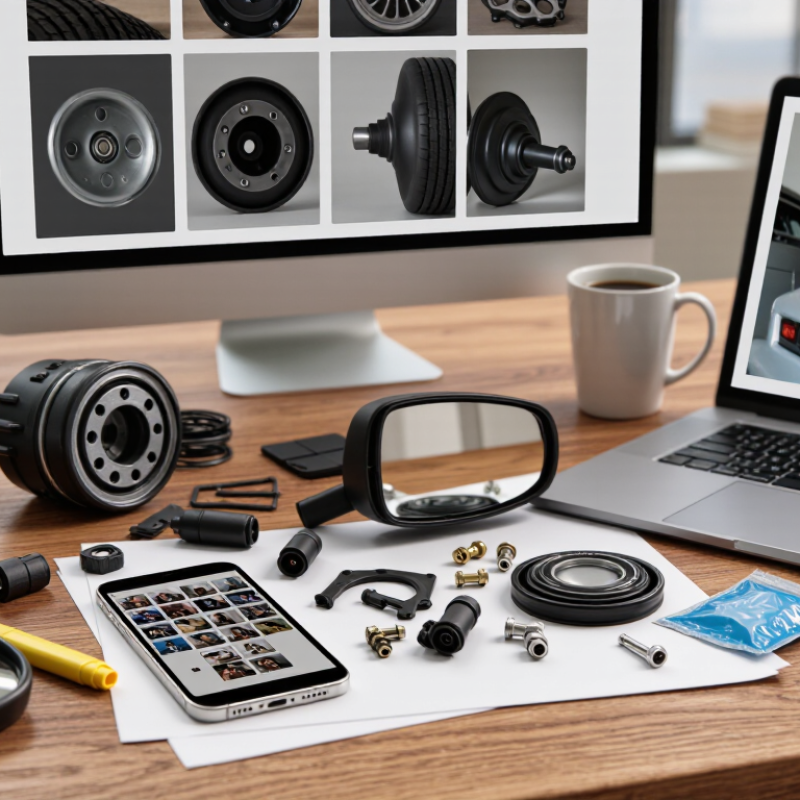
The Automotive Recyclers Association (ARA) reports that 86% of vehicle material is recovered. That figure highlights the value of recycling, but it does not mean 86% of a car’s parts are ready to reuse. A recovered bumper may be damaged, while a tested mirror could be a practical replacement. Check the part’s condition and fit, not just its price.
Set a firm budget before browsing, and leave room for shipping, taxes, and possible return costs. Compare the total price with the cost of a new or remanufactured part. A low listing price can look tempting. It may not stay low. Confirm the year, make, model, trim, and part number against your vehicle details; small differences can matter.
Ask how the part was inspected and whether the seller documents damage or testing. Read the return terms before paying, especially for electrical components that may be difficult to assess from photos. The 86% recovery figure describes material recovery overall, not a guarantee about an individual listing. Keep your budget flexible for an unexpected mismatch. That happens.
Before ordering a used engine, door, or mirror, read the full VIN from the vehicle, not just an old listing. NHTSA’s VIN standard, 49 CFR Part 565, specifies 17 characters for covered vehicles. Each position carries information; the ninth character is a check digit, while other positions identify vehicle details. Enter the VIN in NHTSA’s decoder, then compare the decoded year, make, model, and body style with the seller’s listing. One wrong character can point to a different vehicle. Small mismatch. Pause there.
VIN matching is only a first check. Ask for a clear photo of the part label and its OEM number, then compare that number with a trusted parts catalog or service information for your exact trim and production date. The same model year can include different engines, wiring plugs, or mounting points. A headlamp may look identical online, yet use a different connector. Check left versus right, too. Keep screenshots of the listing and seller’s fitment confirmation. NHTSA’s data standard helps identify the vehicle; it does not certify that a particular recycled part fits. I have seen shoppers rely on “fits this model” wording and overlook a single suffix in the part code. It is an easy detail to miss, and worth checking twice.
| Tip | What to Check | Practical Verification | Why It Matters |
|---|---|---|---|
| 1. Confirm the VIN length | Most vehicles built for the U.S. market from model year 1981 onward use a 17-character VIN. | Compare the VIN on the vehicle with the registration or title. Older vehicles and some vehicle types may follow different rules. | A wrong or incomplete VIN can lead to a mismatched part search. |
| 2. Check each VIN character | Standard 17-character VINs do not use the letters I, O, or Q. | Recheck characters that can be misread, such as 0 and O or 1 and I, using the vehicle’s VIN plate or official paperwork. | A single transcription error can return results for a different vehicle. |
| 3. Use the complete VIN for lookup | A VIN can help identify details such as model year, vehicle attributes, and engine information, depending on the vehicle and available records. | Enter all 17 characters in a reputable VIN decoder or parts catalog, then confirm the decoded details against the vehicle. | The same model name may have different parts across years, engines, or configurations. |
| 4. Match the OEM part number | Look for the number on the original part, where available, or in a vehicle-specific parts catalog. | Compare the full part number, including letters, digits, and suffixes. Ask the seller for a clear photo of the label or stamped number. | Similar-looking parts can have different connectors, dimensions, or functions. |
| 5. Verify any replacement number | A catalog may show that an older part number was superseded by a newer one. | Confirm that the catalog or seller documents the replacement-number link and that it applies to your exact vehicle configuration. | A different number is not automatically an interchangeable part. |
| 6. Check engine and transmission details | Some components vary by engine, transmission, or production configuration. | Compare the vehicle’s engine and transmission details with the listing and, where relevant, the donor vehicle’s identification information. | A matching year and model alone may not establish fitment. |
| 7. Compare connector and mounting details | Check plugs, mounting points, dimensions, and left- or right-side orientation. | Request close-up photos and compare them with the original part or a reliable parts diagram. | A part may share a general description but still fail to install correctly. |
| 8. Confirm the donor vehicle details | Ask for the donor vehicle’s model year, body style, engine, and relevant options. | Match those details to your vehicle and the part number rather than relying only on a broad “fits” statement. | Donor details help identify differences between otherwise similar vehicles. |
| 9. Review condition and testing information | Check whether the part is tested, damaged, incomplete, or sold as-is. | Ask for the mileage of the donor vehicle when available, photos of wear or damage, and details of any functional test. | Correct fitment does not guarantee that a used part is in working condition. |
| 10. Check return terms before ordering | Review the return window, restocking fees, shipping responsibility, and any exclusions. | Save the listing, fitment confirmation, part-number photos, and written seller responses until the part is installed and checked. | Clear records make it easier to resolve fitment or condition problems. |
Note: VIN-based results are a useful starting point, but verify fitment using the exact part number and vehicle configuration before purchase.
Buying scrap car parts online starts with checking who is selling them. Look for a physical address, working contact details, and clear terms for returns or refunds. The U.S. EPA says about 95% of retired vehicles are recycled, but that figure does not guarantee any individual part is usable. Ask which vehicle the part came from, how it was tested, and whether it has known damage. Request recent photos from several angles, not just a polished stock image. Ask for proof. A seller who answers specific questions plainly is easier to trust than one who only says “good condition.”
Study the small details: cracked mounting tabs, bent edges, rust around joints, or green residue on electrical pins. Ask whether the part was tested and what the test covered; “tested” can mean very little without specifics. Get the part number and measurements in writing, then compare them with your vehicle’s requirements. Keep the listing and messages until the part arrives. Even good photos can hide a hairline crack, and I might reject a useful part because of one. That is cautious, perhaps too cautious—but a return can cost time and shipping.
Buying a used car part online means comparing more than the listed price. Add shipping, taxes, return fees, and any core charge before deciding. The Automotive Recyclers Association reports that recycled original-equipment parts can cost 20% to 80% less than new parts, but savings depend on the exact component and its condition. CCC Intelligent Solutions’ 2024 Crash Course reported average U.S. repairable-claim severity of $4,721 in 2023; that figure covers whole repair estimates, not individual parts, but it shows why careful sourcing matters.
Tip: Compare the delivered total. Ask whether shipping includes tracking, insurance, and delivery to your address. A heavy door or engine component may trigger extra freight charges. Check the warranty length, what it covers, and who pays return shipping if the part arrives damaged or does not fit. A short warranty can erase an apparent bargain.
Match the part number, model year, trim, and connector details against your vehicle before paying. Request clear photos of the actual item, especially mounting points and labels. Read the return window closely; “tested” does not always mean every function was checked. I would not assume a low price is a good deal until these details are confirmed. One missed fee can change the comparison.
Photos can reveal a lot about a used part, but only when they show the details that matter. Ask for sharp images of the part from several angles, including labels, mounting points, connectors, and visible wear. Compare its shape and attachment points with your original part before ordering. A close-up of a crack or bent bracket can prevent a costly mismatch. One blurry photo? Not enough. If the listing uses stock images, request pictures of the actual item and ask about missing pieces. Even then, photos cannot confirm everything; internal wear may remain hidden.
Read the return terms before checkout, not after the box arrives. Check the return window, who pays return shipping, and whether restocking fees apply. Keep the listing and seller’s written answers in case the delivered part differs from its description. Payment security matters, too. Use a checkout method with clear dispute support, and avoid sending card details through email or chat. Confirm the payment page is secure and review the final total, including shipping and taxes. It is easy to rush when a part seems scarce. I have to remind myself that a few extra minutes of checking can be worth more than a quick bargain.
Logel’s Auto Parts
116 Bridge St East
Kitchener, Ontario
N2K 1J6
Phone: 519-745-4751
Toll Free: 1-800-818-9118
Hours 8:00-5:00 Monday to Friday
At Logel’s Auto Parts, we serve a range of communities in Southern Ontario, including:
Sign up today for the latest updates from the Logel’s Auto Parts team, including pricing for scrap vehicles, our newest product lines, current operating hours, and much more.