China Top Junk Car Parts Suppliers for Global Buyers?

China’s junk car parts industry has become an important sourcing channel for global automotive buyers. China’s large vehicle population creates a deep supply of engines, transmissions, body panels, electronics, and suspension components. The China Association of Automobile Manufacturers reported more than 30 million vehicle sales in 2023. That volume also supports a growing stream of end-of-life vehicles and replacement parts.

The U.S. Environmental Protection Agency estimates that nearly 12 million vehicles are recycled annually in the United States. Its recycling guidance shows why dismantled vehicles remain valuable sources of steel, aluminum, glass, tires, and reusable components. In Europe, the End-of-Life Vehicles Directive targets 95% recovery and 85% recycling by weight. These benchmarks raise expectations for responsible vehicle dismantling and parts documentation.

China-based suppliers can offer competitive pricing, broad inventory, and flexible export packaging. However, price alone is not enough. A reliable supplier should provide clear part numbers, donor-vehicle details, mileage records, testing results, and high-resolution photographs. Buyers should also confirm grading standards, warranty terms, inspection procedures, and shipping protection. A scratched panel is manageable. An untested transmission is not.

The data is not perfectly comparable. Recycling definitions differ between countries, and supplier terminology can be inconsistent. That weakness deserves attention. Global buyers need more than marketplace listings; they need verifiable experience, technical knowledge, and traceable quality controls. This guide examines China’s leading suppliers of junk car parts and explains how buyers can assess product reliability, compliance, and long-term commercial value.
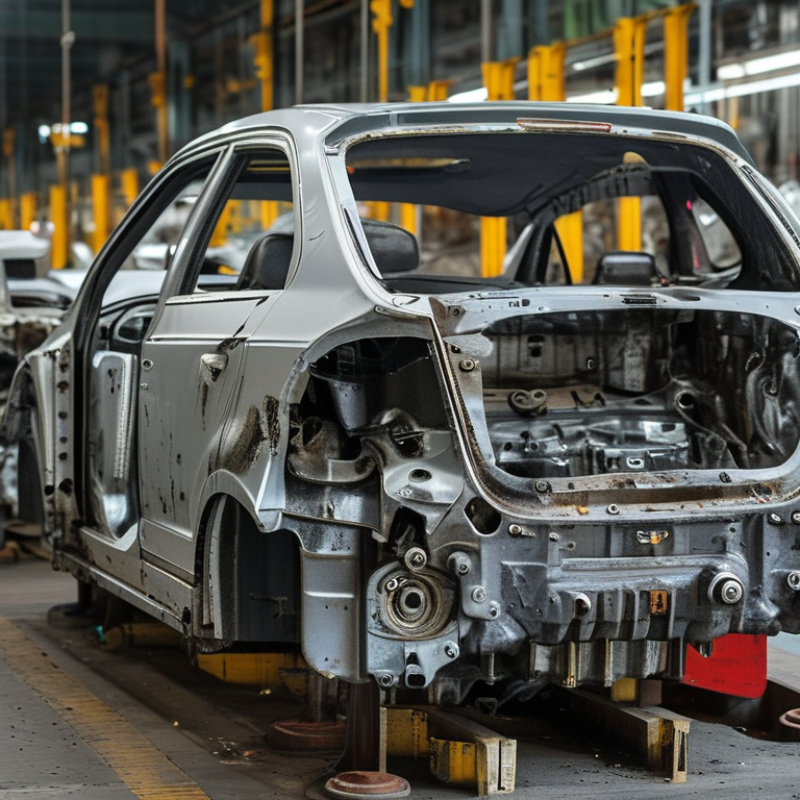
China Top Junk Car Parts Suppliers for Global Buyers?

China’s Junk Car Parts Supply Market for Global Buyers

China’s junk car parts market is becoming a structured recycling channel for global buyers. The China Association of Automobile Manufacturers reported 31.28 million vehicles produced in 2024. That large vehicle base supports steady access to engines, transmissions, body panels, lamps, and electronic modules. China’s Ministry of Commerce recorded about 5.23 million end-of-life vehicles recycled in 2023. The figure increased 29.1% year on year, according to official industry statistics. These figures show market depth, not guaranteed export quality.

Experienced buyers usually request dismantling photos, identification numbers, mileage records, and functional test sheets. They should separate original used parts, refurbished units, and untested salvage. That distinction affects pricing, warranty terms, and customs descriptions. Prices vary. A clean warehouse may still contain mixed grades and incomplete histories. For engines and transmissions, compression tests, leak checks, and cold-start videos provide practical evidence. Electronic modules require compatibility checks for model year, configuration, and programming needs.

The International Organization of Motor Vehicle Manufacturers reported that China produced 30.16 million vehicles in 2023. This production scale supports broad availability, but it also creates catalog complexity. Global buyers should compare defect rates, packing quality, lead times, and recovery records. A low quotation can hide missing connectors, corrosion, or poor labeling. Records matter. Suppliers serving overseas markets should provide serial records, invoices, packing lists, and applicable recycling documentation. Requirements vary by destination, so local compliance checks remain essential. In practice, one missing connector can delay an entire repair order.

Key Types of Recycled and Used Auto Parts Available

China Top Junk Car Parts Suppliers for Global Buyers

Reliable suppliers typically offer tested engines and transmissions recovered from end-of-life vehicles. These major components can reduce repair costs when mileage and operating history are documented. Buyers should request compression results, oil-pressure readings, and clear photos of mounting points. A clean exterior means little. Internal wear may remain hidden.

Body panels, doors, bumpers, mirrors, and lighting assemblies are also widely available. Recycled panels may show small dents, color differences, or repaired edges. That is not always a problem, especially for fleet repairs. However, dimensions and mounting holes must match the target vehicle. Suspension arms, steering racks, wheel hubs, and brake calipers require closer safety checks. Suppliers should provide inspection records and disclose corrosion.

Electrical parts include alternators, starters, instrument clusters, sensors, and control modules. Compatibility depends on production year, engine code, software, and connector design. Requesting the original part number can prevent expensive mistakes. Used wheels and interior components are easier to assess, but cracks, bent rims, and damaged seat mounts need attention. Some descriptions sound more certain than the evidence allows. Independent inspection, sample orders, secure packaging, and traceable photographs make sourcing more reliable for global buyers. Proper customs documents and local compliance checks should accompany every shipment.

How to Evaluate Reliable Chinese Junk Car Parts Suppliers

China Top Junk Car Parts Suppliers for Global Buyers?

A reliable Chinese used car parts supplier should prove more than low pricing. Ask for its business registration, warehouse address, export experience, and product traceability. Request clear photos of casting numbers, connector pins, mileage labels, and visible wear. A serious supplier can explain how parts are removed, tested, cleaned, and graded.

I usually begin with a small sample order. The sample reveals packing quality, response speed, and whether descriptions match reality. Check each part against the VIN, original part number, or approved technical data. Ask for test reports when electronic modules, engines, or safety-related components are involved. Terms should state inspection standards, return conditions, damage claims, and delivery responsibilities. Vague promises are warning signs.

One polished catalog fooled me once. The photographs showed perfect parts, but several items arrived with hidden corrosion. Now I request timestamped warehouse videos and random inventory checks. An independent pre-shipment inspection may cost more, yet it can protect a larger purchase. Suppliers should also provide compliant invoices and customs documents for the destination market. Local rules differ, so buyers must verify fitment, labeling, recycling, and import requirements independently. Reliability grows through evidence, not friendly messages.

How to Evaluate Reliable Chinese Junk Car Parts Suppliers

A practical supplier scorecard can prioritize quality control, regulatory compliance, traceability, inventory capability, export experience, and after-sales support. The percentages below are recommended evaluation weights for global buyers and do not represent any individual company or brand.

Use the weighted criteria to compare suppliers consistently, then verify evidence such as inspection records, part documentation, warranty terms, and export procedures.

A Step-by-Step Process for Sourcing Parts from China

China Top Junk Car Parts Suppliers for Global Buyers?

A Step-by-Step Process for Sourcing Parts from China

Sourcing used and recycled car parts from China starts with a precise requirement sheet. List the part number, vehicle model, production year, material, condition, and required quantity. Add clear photos with a ruler beside each part. Small details matter.

Experienced buyers then compare several qualified suppliers, not just the lowest quotation. Request business registration details, warehouse photos, inspection records, and recent export experience. Ask how each supplier grades parts: tested, refurbished, usable, or for recycling only. A written grading system prevents expensive misunderstandings.

Request samples before placing a large order. Check dimensions, connectors, surface damage, and functional performance with a trained technician. For electronic components, require test reports and protective packaging. For mechanical parts, inspect corrosion, cracks, threads, and wear. I once saw a quotation that looked excellent until packaging and inland transport were added. The real cost changed quickly. That mistake is worth remembering.

Use a third-party inspection before shipment when the order is valuable. Confirm carton labels, quantities, photographs, and loading conditions. Discuss payment stages, lead time, warranty terms, and documentation in writing. Verify customs requirements in the destination country before production begins. Some suppliers communicate well but document poorly. Keep every specification in one approved file. Supplier selection should balance price, traceability, technical evidence, and consistent communication.

China Top Junk Car Parts Suppliers for Global Buyers? - A Step-by-Step Process for Sourcing Parts from China

Step Sourcing Dimension Recommended Buyer Action Information or Evidence to Request Key Quality Check Export and Compliance Considerations
1 Define the required part Prepare a detailed request including vehicle model year, engine or transmission specification, left- or right-hand-drive configuration, part name, quantity, and target market. Part number, VIN compatibility data, dimensions, weight, required connector type, and clear reference photos. Confirm that the requested part matches the exact vehicle generation and configuration. Check whether the destination country restricts used engines, transmissions, airbags, batteries, tires, or other safety-related parts.
2 Identify and screen suppliers Compare several suppliers that handle dismantled, remanufactured, or aftermarket replacement parts rather than relying on a single quotation. Business registration details, factory or warehouse address, product categories, export experience, and references for international shipments. Check whether the supplier can provide consistent product identification, stock records, and traceable sales documentation. Verify the legal entity named on the quotation, commercial invoice, packing list, and payment account is consistent.
3 Classify condition and origin Agree in writing whether the part is used, tested used, refurbished, remanufactured, new aftermarket, or sold for core recovery. Condition grade, mileage where available, dismantling date, test report, repair history, and photos of the actual item. Look for corrosion, cracks, missing components, fluid contamination, altered identification markings, and excessive wear. Confirm that used-part import rules and waste-control requirements are satisfied in the destination country.
4 Request a complete quotation Request unit price, quantity, packaging, inland transport, export documentation, and shipping terms as separate line items. Pro forma invoice, currency, validity period, minimum order quantity, production or preparation time, and payment schedule. Compare equivalent condition and specification, not only the lowest unit price. Identify the agreed Incoterms® rule and named place, such as EXW, FCA, FOB, CIF, or DAP, before placing the order.
5 Verify technical compatibility Match the part number and physical specifications against vehicle documentation or a qualified technician’s inspection. Electrical diagrams where relevant, connector photos, mounting-point measurements, gear ratios, engine codes, and compatibility list. Confirm dimensions, mounting points, connectors, operating voltage, sensors, and calibration requirements. For safety-critical components, confirm applicable testing, labeling, and approval requirements before import or installation.
6 Approve a sample or inspection unit Purchase a sample when practical or arrange an independent pre-shipment inspection before a larger order. Inspection checklist, actual-item photographs, functional test results, serial or part-number records, and defect report. Check functionality, completeness, cleanliness, corrosion protection, and agreement with the approved specification. Define acceptance criteria, inspection timing, inspection cost responsibility, and the process for rejecting nonconforming goods.
7 Confirm order and payment controls Use a written purchase order that lists specifications, quantities, prices, delivery terms, warranty, and remedies for defects. Signed sales contract, pro forma invoice, bank details, refund or replacement terms, and document submission schedule. Ensure the payment beneficiary matches the contracted legal entity and independently verify any changed bank details. Clarify import duties, value-added tax, customs fees, insurance, and responsibility for transport risk.
8 Control preparation and packaging Require part-specific packaging instructions, moisture protection, cushioning, labeling, and pallet or crate requirements. Packing photos, final packing list, carton or pallet dimensions, gross and net weights, and package marks. Check that fragile, heavy, sharp, oily, or liquid-containing parts are secured and protected against impact and leakage. Confirm wood packaging complies with the destination’s applicable treatment and marking rules, where required.
9 Prepare shipping documents Review all documents before cargo release and ensure descriptions, quantities, values, and weights are consistent. Commercial invoice, packing list, transport document, certificate of origin when required, inspection records, and export declaration information. Check that the part description is accurate and sufficiently specific for customs classification. Confirm the correct HS classification with a customs broker because classification and duty rates vary by product and destination.
10 Receive, inspect, and manage claims Photograph outer packaging at arrival, record shortages or damage, and test the parts before the contractual claim period expires. Delivery receipt, arrival inspection report, installation or test records, defect photographs, and claim correspondence. Compare received goods with the purchase order, approved photos, part numbers, condition grade, and packing list. Follow the agreed warranty, replacement, refund, and dispute-resolution procedure and retain records for customs and after-sales support.

Quality Checks, Regulations, Shipping, and Buyer Protection

When buying used car parts from China, quality checks should begin before payment. Request clear photos of casting marks, connector pins, mounting holes, and wear areas. Ask for test records, measurements, production dates, and the part’s source vehicle. A reliable supplier should explain whether the part is tested, refurbished, or sold as-is. I once trusted a clean photograph too quickly. The housing looked perfect, but one connector was cracked.

Regulations require careful document checking. Confirm the correct tariff classification, export paperwork, and destination-country safety requirements. Some parts may need special declarations because they contain batteries, fluids, or electronic components. Ask for an accurate commercial invoice and packing list. Never accept vague descriptions such as “auto accessories.” They can delay customs clearance. Local rules differ, so a licensed customs professional should review unusual shipments.

Shipping damage is common without strong packaging. Use sealed bags, corner protection, moisture barriers, and labeled boxes. Request photos of the packed cargo before dispatch. Confirm carton dimensions, gross weight, delivery terms, and cargo insurance in writing. A tracking number is useful, but it does not prove condition. For buyer protection, use a payment method with documented dispute procedures. Set inspection deadlines before ordering, and record unboxing with visible labels. An independent inspection can cost more, yet it may reveal missing fasteners or mismatched specifications. My checklist still misses details sometimes, so every purchase needs a fresh review.

Start typing and press Enter to search