Blog
What Are the Best Junk Car Parts for Global Buyers?
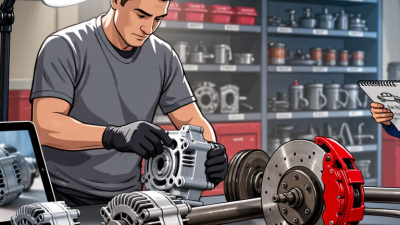
For global buyers, the best junk car parts are rarely the cheapest options. They are parts with verified fit, clear condition, and dependable documentation. In real purchasing work, engines, transmissions, alternators, starters, doors, mirrors, and control modules often attract steady demand. However, each component needs careful inspection. A used alternator may look clean but still contain worn bearings. A transmission may shift smoothly during testing yet hide internal damage. Small details matter.
Look for suppliers who provide the vehicle identification number, mileage, production year, part number, and detailed photographs. Measurements should match the buyer’s vehicle, not merely its brand name. Ask whether the part was tested, refurbished, or sold in untested condition. That distinction affects both price and risk. It also affects customer trust. Safety-related parts require extra caution, especially steering, braking, suspension, and airbag components. Some should only be purchased from qualified recyclers with proper testing records.
Reliable international sellers also explain packaging, shipping protection, return terms, and import documentation. Conditions differ between countries, so buyers must check local requirements before ordering. Responsible recycling practices matter too. Fluids, batteries, and damaged components must be handled through authorized channels. This article explores which junk car parts offer practical value for worldwide buyers, while recognizing an uncomfortable truth: no used part is risk-free. Even experienced buyers can miss hidden wear. Better decisions come from evidence, patience, and honest communication rather than attractive prices alone.
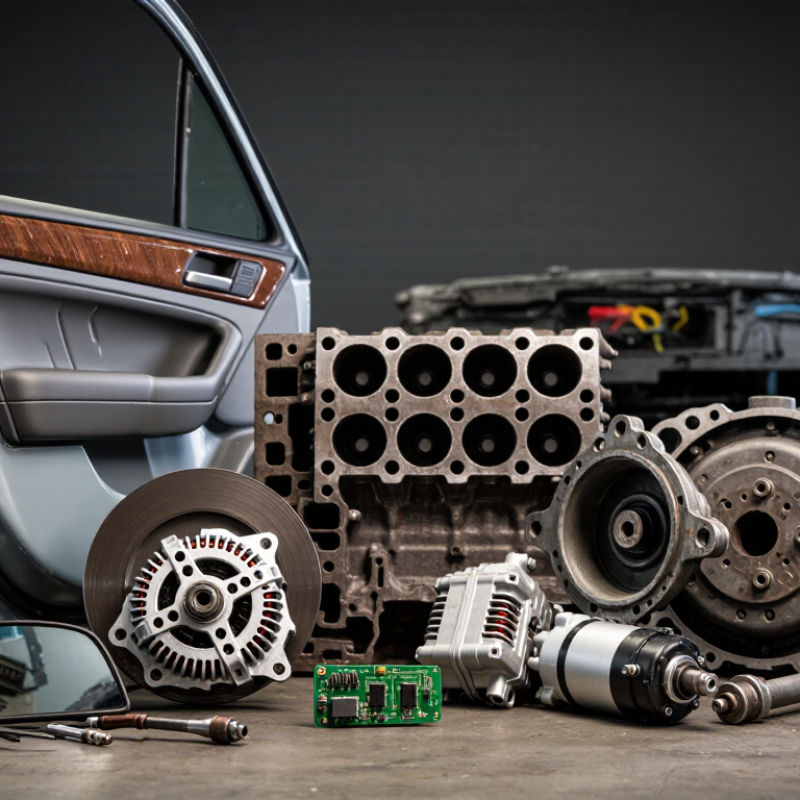
Table of Contents
[Hide]
What Makes Junk Car Parts Valuable for Global Buyers?
What Makes Junk Car Parts Valuable for Global Buyers?
Junk car parts become valuable when they solve a practical repair problem at a fair cost. Engines, transmissions, control modules, headlights, mirrors, and suspension components often attract steady international demand. Buyers usually prefer parts with clear identification, compatible specifications, and visible condition. A clean serial label can matter as much as the part itself.
Fit matters greatly.
Experienced exporters inspect each item before listing it. They check cracks, corrosion, fluid leaks, connector damage, and unusual wear. A tested electronic module may be more valuable than a complete but unverified assembly. Photographs should show mounting points and labels. Honest descriptions build trust, even when the part has defects. I have found that vague listings create more questions than sales. Some parts still look useful but perform poorly after installation.
Tips: Choose compact, high-demand parts with strong resale value. Confirm the vehicle year, engine type, dimensions, and connector design. Use protective packaging for fragile lights and sensors. Record test results and disclose missing bolts or surface rust. Always keep lawful purchase records and proof of origin. Shipping costs can quietly erase profit, especially with heavy body panels. Local demand may also differ from online assumptions. That deserves a second check.
| Junk Car Part | Typical Global Demand | Relative Resale Value | Why It Is Valuable | Key Condition Checks | Export and Shipping Considerations |
|---|---|---|---|---|---|
| Complete Engine | High for common vehicle applications and regions with limited access to new replacement units. | Very High | Contains many high-cost components and can restore a vehicle at a lower cost than purchasing a new engine. | Compression results, oil pressure, coolant contamination, mileage evidence, damage history, and compatibility code. | Heavy and expensive to transport; requires secure crating, fluid draining, lifting equipment, and accurate weight documentation. |
| Automatic or Manual Transmission | High where transmission repairs are costly or specialist rebuilding services are limited. | High | Demand is supported by the high labor and parts cost of rebuilding or replacing a failed transmission. | Gear engagement, shaft condition, casing damage, fluid contamination, mileage, and matching transmission identification. | Dense and heavy; must be protected from impact and moisture. Compatibility information is essential before shipment. |
| Catalytic Converter | Consistently high, but strongly affected by local regulations and precious-metal market prices. | High | May contain recoverable platinum-group metals, including platinum, palladium, and rhodium. | Originality, housing condition, internal rattle, serial markings, and confirmation that the ceramic core is present. | Regulated in many jurisdictions because of theft and recycling concerns; customs and documentation requirements vary. |
| Electronic Control Unit | High for older vehicles whose control modules are no longer readily available from regular parts channels. | High | Specialized electronic modules can be difficult to source and may cost substantially more when purchased new. | Water damage, corrosion, connector condition, software compatibility, security pairing, and verified operating status. | Lightweight and easy to ship, but electrostatic protection, moisture control, and accurate part identification are important. |
| Alternator | High because it is a common wear-related replacement component. | Medium | Often reusable after testing or rebuilding, and demand exists for affordable electrical replacements. | Charging output, bearing noise, pulley condition, regulator operation, connector type, and corrosion. | Compact and relatively economical to ship; protective packaging prevents pulley and connector damage. |
| Starter Motor | High in markets where repair and remanufacturing are common. | Medium | Its failure is common with vehicle age, while a tested used unit can provide a lower-cost repair option. | Bench-test results, solenoid operation, pinion gear wear, mounting points, and electrical terminals. | Moderate weight and straightforward packaging; protect the gear and terminals from impact and moisture. |
| Headlamp or Tail Lamp Assembly | Medium to high, especially for vehicles with expensive or difficult-to-source lighting assemblies. | Medium | Lighting assemblies are vulnerable to collision damage and can be costly to replace with new parts. | Lens cracks, mounting tabs, moisture intrusion, reflector condition, bulbs, and wiring connectors. | Lightweight but fragile; requires protective wrapping and a rigid box to prevent lens breakage. |
| Body Panel or Door | Medium, with demand varying according to vehicle age, local repair practices, and shipping distance. | Medium | Used panels can reduce collision-repair costs and may be preferable when color-matched parts are available. | Dents, rust, corrosion, hinge condition, glass, trim, weather seals, and alignment points. | Large dimensions increase freight costs; panels need edge protection and secure palletizing. |
| Alloy Wheel or Steel Wheel | Medium to high, especially for standard sizes that fit widely used vehicle platforms. | Medium | Wheels are reusable, durable, and commonly damaged in accidents or through pothole impacts. | Cracks, bends, weld repairs, corrosion, bolt pattern, diameter, width, and offset. | Heavy but stackable; individual wrapping and pallet protection reduce scratches and deformation. |
| Airbag Module | Medium, subject to strict safety and transport controls. | Medium | Replacement cost can be significant, particularly for complete safety-system repairs. | Deployment status, impact damage, connector condition, module casing, and vehicle compatibility. | Often classified as a regulated dangerous good because it contains a pyrotechnic inflator; transport must follow applicable rules. |
| Seats and Interior Trim | Medium for popular vehicle platforms and commercial vehicles. | Low to Medium | Useful for restoring interiors affected by wear, flooding, fire, or collision damage. | Frame condition, upholstery tears, adjustment mechanisms, seat-belt hardware, stains, odor, and moisture damage. | Bulky relative to value; vacuum packing and consolidated freight can improve shipping economics. |
| Radiator or Cooling Fan Assembly | Medium because overheating-related failures create regular replacement demand. | Low to Medium | Can provide an affordable replacement for vehicles with damaged or leaking cooling components. | Leaks, bent fins, cracked tanks, fan-motor operation, shroud condition, and mounting points. | Moderate shipping value; drain all fluids and protect fins from crushing during transport. |
Buyer note: Actual resale value depends on vehicle compatibility, tested condition, mileage, completeness, local regulations, exchange rates, freight cost, import duties, and the availability of replacement parts in the destination market.