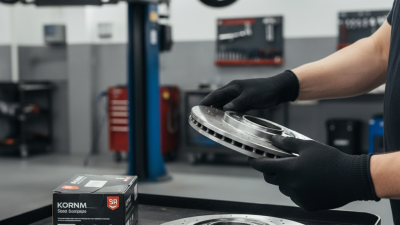
Top Vehicle Parts Suppliers for Global Buyers
Choosing vehicle parts suppliers across borders is not just a price comparison. A low quote can lose its appeal when a shipment arrives late, a batch fails inspection, or a part does not fit the intended model. Buyers need to examine product coverage, quality controls, traceability, lead times, and communication before committing. Small details matter: a clearly labeled carton, a consistent part number, and a prompt answer about material specifications can prevent costly confusion. Still, paperwork alone cannot prove dependable performance. Samples, documented checks, and regular supplier reviews provide stronger evidence.
Taiichi Ohno, a key figure in Toyota’s manufacturing system, wrote, “Where there is no standard, there can be no kaizen.” His point matters to global sourcing: suppliers need repeatable standards before they can improve quality consistently. This guide explores how buyers can compare suppliers, assess manufacturing capabilities, and weigh logistics alongside cost. It also considers questions that deserve closer inspection, including warranty terms, production capacity, and support when a shipment falls short. No ranking can settle every buyer’s needs. A supplier suited to a repair network may not fit a vehicle manufacturer’s production schedule. Even careful checks have limits. Buyers should verify claims against their own specifications, markets, and delivery requirements before placing an order.

Understanding the Global Vehicle Parts Supply Market
Top Vehicle Parts Suppliers for Global Buyers
Understanding the Global Vehicle Parts Supply Market
Global parts sourcing follows vehicle production, technology shifts, and regional logistics. OICA reported 93.5 million vehicles produced worldwide in 2023, about 10% more than in 2022. That scale creates demand for reliable replacement and manufacturing components, but supply is not evenly distributed. A delayed shipment can leave a repair shop waiting for a small sensor or bearing.
Product requirements are changing, too. The International Energy Agency’s Global EV Outlook 2024 reported nearly 14 million electric cars sold in 2023, representing about 18% of new car sales. Buyers should check specifications carefully: connectors, material grades, dimensions, and test records must match the intended vehicle. Ask suppliers about batch traceability, packaging, lead times, and how they handle quality issues. A low quote means little if parts arrive inconsistently. Even careful checks cannot remove every risk.
Tips: Request a sample and verify its measurements before placing a large order. Compare quoted delivery times with actual shipment records, and confirm that technical documents match the exact part revision. Keep a backup source for critical items; it may cost more, but can reduce downtime.
Comparing Leading Suppliers by Region and Specialization
Regional strengths can help global buyers narrow a vehicle-parts search, but they are not guarantees. Suppliers in East Asia often serve electronics, sensors, and precision components. European manufacturers may focus on engineered systems and documented quality controls. North American suppliers commonly support replacement parts and heavy-duty applications.
These are broad patterns, not rules. Not always.
Specialization matters more than geography alone. A supplier producing molded rubber parts may offer better process control than a general distributor, even when shipping takes longer. Ask for material specifications, inspection records, and sample measurements. For brake or steering components, verify testing procedures and traceability before comparing prices.
A polished catalog proves little. Request evidence.
Regional comparisons should include lead times, packaging, and communication habits. A nearby supplier may respond quickly but lack the required production capacity. A distant factory might meet tight tolerances yet struggle with small repeat orders. Check how defects are handled, and clarify who pays for replacement shipments. I would not rely on one audit or one successful sample; production can vary between batches. Some buyers overlook this. Keep a small trial order in the evaluation, and compare actual delivery dates with the supplier’s estimate.
Evaluating Supplier Quality, Pricing, and Reliability
Top Vehicle Parts Suppliers for Global Buyers
Choosing a vehicle parts supplier takes more than comparing unit prices. Ask how parts are inspected, documented, and packed before shipment. A clear quality process should identify inspection points, batch records, and steps for handling defects. Request a sample when practical, then check its finish, dimensions, and packaging against your requirements. Small mismatches matter. A part that looks right may still need fitment verification.
Tips: Compare the same specifications and order quantities. Check sample results, minimum order amounts, payment terms, and quoted lead times. Ask who pays for replacement parts if a shipment arrives damaged or incomplete.
Pricing should include more than the number on the quotation. Account for freight, packaging, duties, inspection costs, and possible delays. Reliability is easier to judge when suppliers give realistic production schedules and answer technical questions clearly. Ask for recent references or shipment records where available, and confirm how changes to an order are communicated. A polished spreadsheet can still hide gaps. I would not treat one delayed reply as proof of poor service, but repeated vague answers deserve attention. A dependable supplier is not always the cheapest, and the most expensive option is not automatically safer.
Managing International Sourcing and Delivery Requirements
Top Vehicle Parts Suppliers for Global Buyers
International sourcing depends on more than a low unit price. Buyers should confirm part specifications, material requirements, packaging, and expected production dates before placing an order. A clear drawing or sample reference can prevent costly misunderstandings. Ask suppliers how they manage inspection records and report defects. Small details matter, such as labeling each carton with the part number and quantity. Delivery estimates should include production time, consolidation, and transit, not just the final shipping leg. A neat spreadsheet does not prevent every delay.
Tips: Request a written quotation with currency, lead time, packaging, and delivery terms clearly stated. Check that shipping documents match the order. Leave time for sample approval and inspection before full production. Keep one contact responsible for updates. Short delays happen.
For cross-border orders, agree on who arranges transport and who handles import-related charges before payment. Compare shipping options by reliability and total landed cost, rather than freight price alone. Share receiving requirements, including warehouse hours and unloading limits, with the supplier early. A brief weekly update can reveal a production slip while there is still time to adjust. Still, forecasts are not guarantees; build a reasonable buffer for peak seasons or unexpected inspections. If a supplier’s answers stay vague, pause and clarify the details before committing.
Top Vehicle Parts Suppliers for Global Buyers — Managing International Sourcing and Delivery Requirements
National logistics performance can help global buyers assess the broader delivery environment when comparing sourcing markets.
The chart shows 2023 overall Logistics Performance Index (LPI) scores on a 1–5 scale, rounded to one decimal. The LPI measures country-level logistics performance; it is not a rating of individual suppliers or vehicle-parts delivery times. Source: World Bank, Logistics Performance Index 2023.