China Top Junk Parts Suppliers for Global Buyers

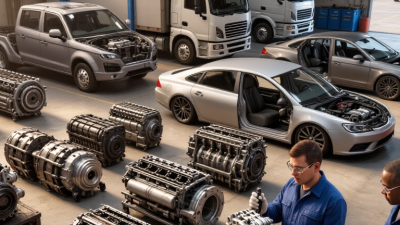
Global buyers sourcing junk parts need more than a low price. They need accurate fitment details, honest condition reports, and suppliers who can document where components came from. A photograph of a clean engine assembly helps, but it cannot replace a clear part number, compatibility checks, or a written inspection record.

Maya Chen, an automotive parts sourcing specialist, puts it simply: “A dependable junk-parts supplier makes condition and fitment clear before payment.” Buyers can use that principle when comparing suppliers in China. Ask how parts are graded, whether key components are tested, and how discrepancies are handled. Request close-up images of labels, connectors, and wear points. Small details matter. A connector that looks nearly identical may still fail to match the vehicle.

This guide explores what global buyers should evaluate in Chinese suppliers, including product selection, quality checks, communication, packaging, and export documentation. Strong suppliers answer specific questions and explain limits, not just strengths. Still, no checklist removes every risk. Descriptions can be incomplete, and photos may miss hidden damage. That deserves a pause.

Treat each offer as a sourcing decision, not a bargain hunt. Confirm specifications in writing, compare evidence across sellers, and agree on inspection and return terms before ordering. The right partner can make recycled components a practical option for repair businesses and parts distributors. Trust should be earned, part by part.
China Top Junk Parts Suppliers for Global Buyers

Understanding China’s Junk Parts Supply Market

China’s junk parts supply market is broad, but quality varies sharply between suppliers. Many warehouses sort salvaged, surplus, and refurbished components into separate grades. A reliable supplier should explain each grade clearly. Ask for production codes, material details, storage conditions, and recent inspection records. Photos should show labels, connector pins, bolt holes, and surface wear. A clean image can still hide damage.

Experienced buyers usually request a small sample before placing a larger order. Check dimensions with calipers, test moving parts, and compare the sample with the packing list. Confirm whether parts are used, repaired, or simply cleaned. Not every low-priced lot is a bargain. Sometimes, inconsistent sorting creates extra labor after arrival. This point is easy to underestimate.

Tips: Use a written specification sheet. Require clear defect photos. Confirm packaging strength and moisture protection. Review export documents and destination-country requirements before payment. Choose legally transferable, non-hazardous parts only. Keep inspection records and shipment photos. A third-party inspection can help when the order value is high, although it adds cost. Good sourcing is not perfect. Even careful buyers may discover small mismatches, so leave room for replacement terms and practical negotiation.

China’s Automobile Fleet: A Growing Potential Supply Base

China’s expanding vehicle fleet provides context for the country’s end-of-life vehicle and reusable-parts supply market. Fleet size indicates the scale of the vehicle base—not the volume of junk parts available.

Source: Ministry of Public Security of China, year-end automobile fleet figures. Values are rounded to the nearest million.

Types of Junk Parts Available to Global Buyers

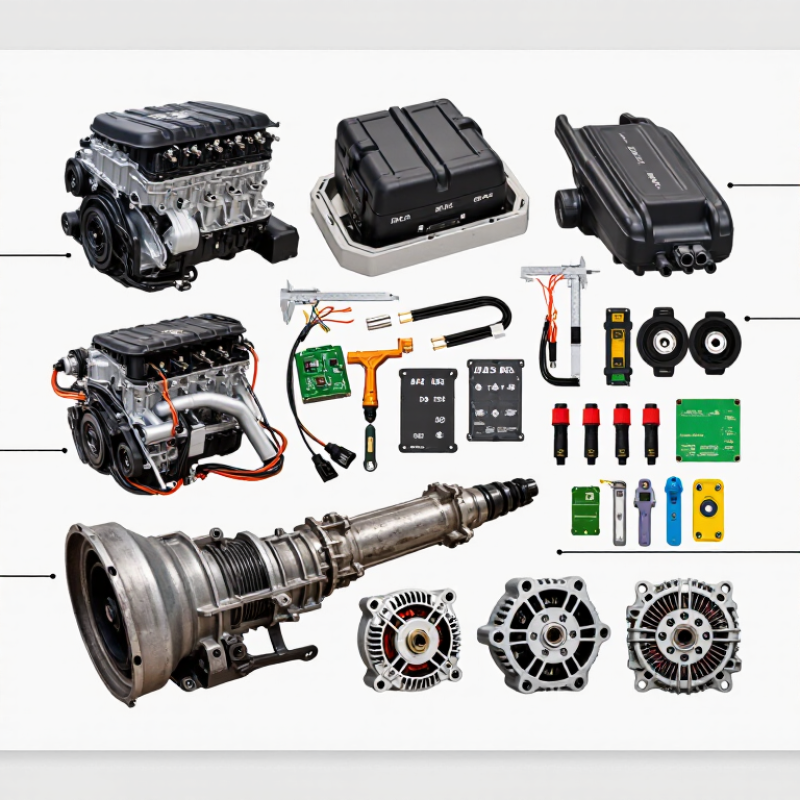
Global buyers can find many types of junk parts through experienced dismantlers and certified recycling yards. Common vehicle parts include engines, transmissions, alternators, starters, radiators, axles, suspension arms, doors, hoods, mirrors, and lighting assemblies. Interior items, such as seats, dashboards, switches, and instrument panels, are also widely available. Condition varies.

Industrial junk parts may include electric motors, pumps, gearboxes, control cabinets, hydraulic valves, steel frames, and used bearings. Some parts are sold for direct replacement, while others support repair, refurbishment, or material recovery. Engines may show compression test results. Electrical components should include voltage checks and clear photographs of terminals. Small details matter.

Reliable suppliers normally separate parts by tested, reusable, repairable, and scrap condition. Buyers should request dimensions, production dates, mounting points, corrosion photos, and packaging details before payment. I have found that visual inspection alone is not enough, especially for hidden cracks and damaged wiring. That weakness deserves attention. A supplier with traceable inventory records can reduce ordering mistakes and support customs documentation. Still, descriptions may be imperfect, particularly for mixed lots. Buyers should confirm compatibility with technical drawings or original specifications, then agree on inspection standards before shipment.

How to Evaluate Chinese Junk Parts Suppliers

China Top Junk Parts Suppliers for Global Buyers

How to Evaluate Chinese Junk Parts Suppliers

Evaluating Chinese junk parts suppliers requires more than comparing prices. Start by checking whether the supplier legally handles reclaimed and used components. Ask for business registration details, export experience, and product traceability records. Reliable suppliers should provide clear photos, part numbers, dimensions, material descriptions, and honest condition grades. Vague listings deserve caution.

Request a small sample before placing a large order. Inspect rust, cracks, thread damage, welding marks, and missing fittings. For engine or suspension components, ask about testing methods and inspection dates. A professional supplier can explain how parts were removed, cleaned, stored, and packed. Moisture-resistant wrapping and labeled cartons matter during long sea transport. Test records help.

Communication is practical evidence. Notice whether replies include measurements or only promises. Ask how defects are handled, including replacement terms, inspection windows, and refund procedures. Payment and shipping documents should match the contracted company name. I have found that fast replies do not always mean strong quality control. My own judgment can be wrong when photos look unusually clean, so independent inspection is worth considering. Keep expectations realistic. Reclaimed parts may show wear, even when fully usable.

A Step-by-Step Guide to Sourcing and Ordering

China Top Junk Parts Suppliers for Global Buyers

A Step-by-Step Guide to Sourcing and Ordering

Start by defining the exact part. Include the vehicle year, model, engine code, part number, condition, and required quantity. Clear specifications prevent costly misunderstandings. I still treat vague descriptions as a warning.

Use suppliers that provide inspection photos, testing records, and traceable warehouse information. The Automotive Recyclers Association reports that professional recyclers process over 12 million vehicles annually in the United States. This scale shows why grading systems and inventory controls matter. Ask whether “tested” means visual inspection, bench testing, or installation testing.

Request quotations from at least three factories or dismantling facilities. Compare unit price, packing, export documentation, lead time, and replacement terms. A low quote can still be expensive. For fragile items, request photos of foam thickness, corner protection, and pallet loading. UNEP’s Global Resources Outlook 2024 warns that global material extraction could rise by about 60% by 2060. Reusing verified parts can support resource efficiency, but only when quality is dependable.

Before ordering, approve a sample or small trial shipment. Check serial numbers, connector condition, corrosion, and actual dimensions. Confirm payment milestones and inspection rights in writing. Use an independent pre-shipment inspection when the order value is significant. Some buyers skip this step. That is a mistake worth reconsidering. Choose compliant products, accurate declarations, and lawful logistics for every destination.

Shipping, Customs, and Import Compliance Considerations

China Top Junk Parts Suppliers for Global Buyers

Shipping used vehicle parts from China requires more than comparing supplier prices. Confirm each part’s condition, origin, and exact description before booking freight. A clear commercial invoice should include the HS code, quantity, unit value, country of origin, and intended use. Add a packing list with package dimensions and weights. Customs officers may question vague terms such as “metal parts.”

Packaging needs practical attention. Wrap clean components against moisture, then secure heavy items on reinforced pallets. Photograph the parts, labels, and sealed cartons before loading. These records can support damage claims and customs reviews. Some components may contain oil, fuel residue, refrigerant, or batteries. They may require special handling, declarations, or prior approval. Do not place restricted materials in ordinary cargo.

Importers should identify the importer of record and check local duties, VAT, product standards, and inspection rules. A freight forwarder can coordinate ocean transport, but the buyer remains responsible for accurate declarations. Incoterms also affect who pays freight, insurance, clearance fees, and port charges. Small errors become expensive at the destination. In practice, even experienced teams sometimes use an incorrect HS code or underestimate port storage. Request a pre-shipment document review and verify requirements with the destination customs authority. Rules differ by country, and supplier assurances alone are not enough.

China Top Junk Parts Suppliers for Global Buyers - Shipping, Customs, and Import Compliance Considerations
Parts Category Typical Shipment Preparation Common Shipping Considerations Key Export and Import Documents Customs and Compliance Checks Buyer Action Before Dispatch
Used mechanical components
Examples: alternators, starters, pumps
Identify each item by part type, condition, quantity, and country of origin. Protect exposed openings and package parts to prevent movement or leakage. Ocean freight is commonly used for consolidated or palletized orders; air freight may suit smaller, time-sensitive shipments. Confirm packaging dimensions and gross weight before booking. Commercial invoice, packing list, transport document, and export declaration where required. A certificate of origin may be relevant when requested or when claiming a tariff preference. Confirm the destination tariff classification for each product. Classification and duty treatment depend on the exact part, material, origin, and destination rules. Request a line-item description and clear condition statement. Avoid using a broad description such as “auto parts” for every invoice line.
Used engines and transmissions Record whether units are complete, tested, damaged, or sold for parts. Drain fluids as required and use secure, leak-resistant packaging. Heavy units may require pallets, crates, or other suitable load restraint. Check carrier rules for residual fuel, oil, coolant, and other liquids before acceptance. Commercial invoice, packing list, transport document, and any destination-specific permits or declarations required for the product. Some jurisdictions apply additional rules to used engines, emissions-related components, or goods that are not in working condition. Requirements vary by destination. Ask the importer or customs broker to confirm admissibility, tariff classification, and any inspection or emissions-related requirements before payment and dispatch.
Body panels and non-powered components
Examples: doors, hoods, mirrors
Describe the part and its condition; note whether it is complete or damaged. Use protective packing for sharp edges, glass, and painted surfaces. Large or irregular shapes can affect freight cost and container loading. Confirm packed dimensions, stacking limits, and protection against transit damage. Commercial invoice, packing list, transport document, and origin documentation when applicable. Check whether the destination requires specific product descriptions, safety declarations, or restrictions for particular materials or components. Use photos and a packing list that link each item to its description and quantity. Confirm that the declared goods match the actual shipment.
Electrical and electronic components
Examples: control modules, sensors, wiring
Protect against moisture, impact, and electrostatic discharge where appropriate. Identify any batteries included with or attached to the goods. Battery shipments may be subject to carrier and dangerous-goods requirements depending on battery chemistry, configuration, and condition. Obtain carrier confirmation before booking. Commercial invoice, packing list, transport document, and any battery or dangerous-goods documentation required for the shipment. Import rules may address electronic waste, restricted substances, or product safety. Whether an item is a reusable product or waste can affect applicable controls. Declare batteries accurately and provide battery specifications when requested. Confirm that used electronic parts are accepted by the destination market.
Airbags and other safety devices Identify the exact device and its condition. Do not treat undeployed, deployed, damaged, or incomplete units as interchangeable for shipping purposes. Some safety devices are regulated for transport as dangerous goods. Carrier acceptance, packing, marking, and documentation requirements must be checked for the specific device. Commercial invoice, packing list, transport document, and any required dangerous-goods declarations or approvals. Import, resale, and transport restrictions can differ by country and by product condition. Non-compliant or undocumented devices may be refused by carriers or authorities. Obtain written confirmation from the carrier and the destination-side broker that the specific devices can be shipped and imported.
Parts that may be scrap or waste Separate reusable parts from scrap, contaminated items, and items containing hazardous substances. Keep condition and intended-use records. Waste shipments can require controls beyond ordinary commercial cargo requirements. Confirm classification before booking rather than relying on a general parts description. Standard shipping documents plus any waste-specific notifications, permits, or movement documents required by the countries involved. Goods classified as waste may fall under national waste rules or international controls, including rules applicable to certain hazardous wastes. Used, reusable products are not automatically treated as waste. Have a qualified customs or environmental compliance professional assess the goods’ condition, intended use, and waste status before export.
All shipment types Keep invoice descriptions, packing details, quantities, values, and origin information consistent across documents. Choose container, consolidation, or air freight based on cargo size, weight, urgency, and carrier restrictions. Confirm insurance coverage and delivery terms in writing. Common documents include a commercial invoice, packing list, and bill of lading or air waybill. Additional documents depend on the goods and destination. Import duty, taxes, classification, valuation, origin rules, and admissibility are destination-specific. A tariff code should be verified for the precise item rather than assumed for all used parts. Before shipment, confirm the importer of record, customs broker, applicable tariff classification, estimated charges, permits, and clearance responsibilities.

Planning note: Import requirements vary by product, condition, origin, and destination. Buyers should verify current rules with the relevant customs authority, carrier, and qualified customs broker before shipment.

Start typing and press Enter to search