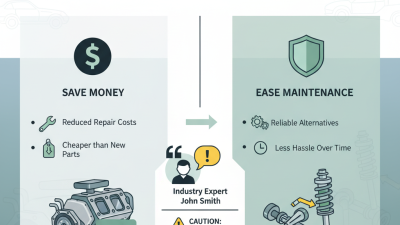
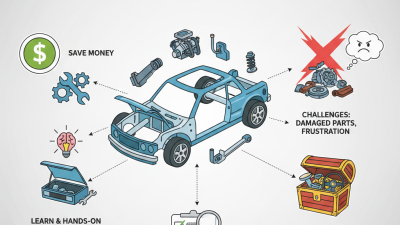
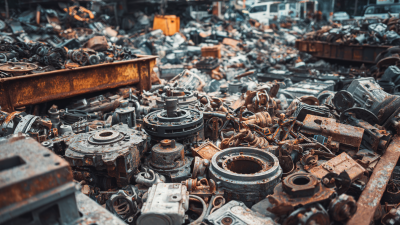
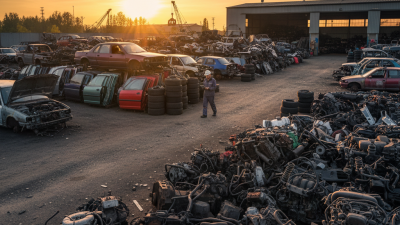
As the demand for sustainable automotive solutions grows, the global market for junk car parts is evolving rapidly. Experts agree that quality and reliability are paramount in this sector. John Anderson, a renowned industry expert, once stated, "The future of junk car parts lies in their potential to reduce waste and build a circular economy." His insights underline the importance of sourcing quality parts while maintaining environmental integrity.
Many buyers in 2026 will be seeking durable and affordable junk car parts. The market is expected to expand significantly, driven by both cost-effective solutions and ecological concerns. Manufacturers must focus on producing parts that meet global standards. Sourcing from China provides an opportunity to access innovative and reliable options, but challenges remain.
Despite advancements, there are inconsistencies in quality and supply. Global buyers must navigate these complexities. They must also consider the long-term sustainability of their purchases. Trusted suppliers will play a crucial role in delivering the right junk car parts to meet diverse needs. As the industry evolves, maintaining quality while prioritizing sustainability will be the key challenge for all stakeholders.

China is projected to solidify its long-standing dominance in the global junk car parts market by 2026. Recent analysis indicates that China could capture over 40% of the market share, driven by an increasing ability to manufacture a wide range of affordable, high-quality parts. As recycling becomes a norm, the demand for used car components is on the rise, leading to a robust growth trajectory for Chinese manufacturers.
The automotive recycling market is forecasted to grow at a compound annual growth rate (CAGR) of approximately 7% between 2022 and 2026. This growth is propelled by environmental regulations and advancements in technology that enhance the efficiency of parts recovery. A report from industry analysts highlights that China has implemented better logistics and distribution systems, making it easier for global buyers to source parts efficiently.
However, challenges remain. Quality control can be inconsistent, leading to buyer skepticism. Some manufacturers may still rely on outdated practices, affecting reliability. Buyers might face difficulties in verifying the legitimacy of suppliers. More efforts are needed to strengthen quality assurance protocols and build trust within the marketplace. Addressing these concerns will be essential for China's continued success and to meet the expectations of global buyers seeking dependable junk car parts.
When considering junk car parts from China, it’s vital to understand the factors that influence their quality. One key element is material sourcing. Quality raw materials directly impact durability. However, some suppliers may cut costs, resulting in subpar components. It's crucial for buyers to investigate suppliers thoroughly.
Manufacturing standards also play a role. Adherence to international safety regulations ensures parts meet quality benchmarks. Companies can quickly claim compliance but might not follow through. Buyers should ask for certifications and audit reports. This approach helps in identifying trustworthy suppliers.
**Tip:** Research previous customer reviews and ask for samples before committing to large orders.
In addition to materials and standards, the manufacturing process matters. Quality control measures during production can affect the final product. However, inconsistencies often arise due to inadequate oversight. Regular inspections of the production facilities can mitigate this issue.
**Tip:** Engage in direct communication with manufacturers to discuss quality assurance practices.
Ultimately, understanding these factors can help global buyers make informed decisions. Quality checks and supplier evaluations are essential for a successful purchase. A proactive approach in these areas can lead to better outcomes in sourcing junk car parts from China.
The junk car parts industry in China is poised for significant growth by 2026. With increasing global demand, exports are projected to rise substantially. Factors include the need for affordable auto repairs and the sustainability trend. Many buyers seek cost-effective solutions, and used parts provide a viable alternative. Quality remains a crucial concern for both buyers and suppliers.
Recent trends highlight a growing interest in certified used parts. This shift indicates a need for enhanced quality control measures. Businesses must adapt to these changes to maintain credibility. Some Chinese manufacturers are still struggling to communicate the reliability of their products. Partnerships with experienced logistics teams can improve distribution networks. This approach ensures that parts reach international markets efficiently.
Emerging markets are becoming more prominent in this sector. Countries in Africa and Southeast Asia show increasing interest in affordable auto solutions. However, the regulatory landscape is complex. Not all markets welcome used parts with open arms. Understanding local regulations is vital for successful entry. Buyers need assurance of compliance and safety standards. Balancing cost with reliability remains a challenge for many exporters.
China's junk car parts industry is undergoing significant changes due to new recycling regulations. These rules aim to minimize waste and promote sustainable practices. They require strict adherence to ethical disposal methods. As a result, manufacturers are adapting production processes and supply chains.
The impact of these regulations is profound. More companies are investing in technology to improve recycling techniques. This shift not only enhances environmental responsibility but also increases the quality of available parts. Global buyers benefit from better options at competitive prices.
Tips: When sourcing parts, prioritize suppliers who comply with recycling standards. This ensures quality and sustainability. Always request certifications that verify responsible practices. Additionally, stay updated on regulations that could affect sourcing from China. This knowledge may build trust with suppliers and ensure successful transactions.
| Part Category | Estimated Market Value (USD) | Recycling Rate (%) | 2026 Growth Rate (%) |
|---|---|---|---|
| Engines | 500,000,000 | 75% | 10% |
| Transmissions | 300,000,000 | 70% | 8% |
| Body Parts | 250,000,000 | 65% | 6% |
| Electrical Components | 200,000,000 | 80% | 12% |
| Tires | 150,000,000 | 50% | 5% |
In 2026, the junk car parts industry in China is primed for dramatic transformation. A recent report from the Global Automotive Parts Association suggests that technological innovations will revolutionize the sector. Electric vehicle (EV) scrap recycling is becoming crucial. Advanced methods can recover up to 95% of valuable materials from end-of-life vehicles, reflecting a shift towards sustainability.
Automation in recycling processes is gaining momentum. Robotics and AI streamline dismantling operations, reducing labor costs and improving efficiency. These technologies can identify salvageable parts with over 90% accuracy, optimizing resource recovery. However, the industry's reliance on technology raises concerns about job displacement. Balance must be sought between technological advancement and workforce impacts.
Moreover, alternative materials are emerging as viable options in manufacturing junk car parts. Biodegradable composites and lightweight metals promise sustainability and adaptability. According to the International Recycling Bureau, these innovations can cut production emissions by 30%. However, implementing these materials poses challenges, like durability and cost-effectiveness. Ongoing research and collaboration between stakeholders are vital to refine these solutions, ensuring the industry evolves responsibly.
Logel’s Auto Parts
116 Bridge St East
Kitchener, Ontario
N2K 1J6
Phone: 519-745-4751
Toll Free: 1-800-818-9118
Hours 8:00-5:00 Monday to Friday
At Logel’s Auto Parts, we serve a range of communities in Southern Ontario, including:
Sign up today for the latest updates from the Logel’s Auto Parts team, including pricing for scrap vehicles, our newest product lines, current operating hours, and much more.