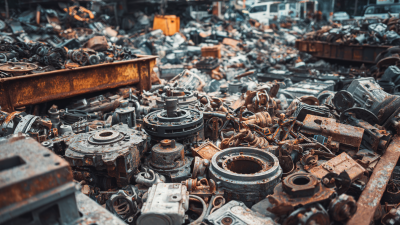
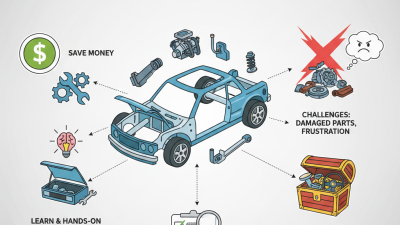
In today's world, the importance of sustainability cannot be overstated. Scrap car parts play a crucial role in promoting this idea. These components, often overlooked, are vital for effective vehicle repairs while minimizing environmental impact.
Using scrap car parts helps reduce waste. Instead of tossing old vehicles into landfills, we can salvage their parts for reuse. This practice not only conserves resources but also significantly cuts down on energy consumption. Each salvaged component contributes to a more sustainable repair process.
However, reliance on scrap car parts isn’t without challenges. Quality control remains a concern. Ensuring these parts are safe and effective demands expertise. Companies must implement strict guidelines to verify the functionality of reused items. Greater awareness of these issues can drive innovation in sustainable practices. Ultimately, embracing scrap car parts can lead to significant ecological benefits.

Scrap car parts play a crucial role in sustainable automotive repair. Research indicates that reusing these parts can significantly reduce environmental impact. The Automotive Recyclers Association states that one reused part can save up to 80% in energy consumption compared to new parts.
Using scrap parts not only lessens waste but also promotes a circular economy in the automotive industry. The average vehicle contains about 30,000 parts, and many of these are reusable. Studies show that nearly 25 million cars are recycled in the U.S. annually, resulting in millions of tons of material that can be reclaimed and repurposed.
However, relying solely on scrap parts raises challenges. Quality control is vital, as not all recycled components meet safety standards. Understanding the balance between cost savings and vehicle safety is essential for consumers and repair shops alike. Addressing these concerns can lead to more informed decisions in automotive repair, highlighting the need for industry standards on the quality and reliability of recycled parts.
Recycling car parts offers significant environmental benefits. According to the Automotive Recyclers Association, using recycled components can reduce the demand for new materials by up to 85%. This conserves natural resources and minimizes energy consumption. When a car is dismantled, its parts—such as engines, transmissions, and batteries—can be refurbished or repurposed, significantly lowering greenhouse gas emissions.
Additionally, the Environmental Protection Agency highlights that recycling one ton of steel saves about 2,500 pounds of iron ore and 1,400 pounds of coal. These numbers illustrate the tangible benefits of integrating recycled parts into vehicle repairs. However, some mechanics may hesitate to adopt these practices due to concerns about reliability. Research indicates that properly inspected recycled parts can perform as well as new ones, but the industry still faces a stigma regarding quality.
Moreover, the disposal of scrap vehicles presents a challenge. Inadequate recycling rates can lead to hazardous materials leaching into the environment. Automotive recyclers work to mitigate these risks, yet more education is needed to drive sustainable practices in repair shops. While many shops recognize the need, the reluctance remains a barrier. Addressing this issue is crucial for advancing a circular economy in the automotive sector.
Utilizing scrap car parts in repair services brings significant economic benefits. Many repair shops rely on these parts due to their affordability. By using recycled components, garages can significantly reduce costs for customers. A well-maintained scrap part can perform as reliably as a new one, sometimes even better. This practice not only saves money but also promotes resourcefulness.
Moreover, embracing scrap parts contributes to environmental sustainability. Each recycled part cuts down the demand for new manufacturing. This leads to less waste and a smaller carbon footprint. However, sourcing parts can be tricky. Not all scrap components are in good condition, which requires professionals to carefully assess quality. There’s also the challenge of ensuring compatibility with various makes and models. This uncertainty can lead to missed opportunities if not approached wisely.
It’s important to recognize that while there are many benefits, the reliance on scrap parts must be balanced. Shops must evaluate whether the lower cost outweighs potential quality risks. They should also consider customer preferences for new parts. Achieving a balance between cost, quality, and customer satisfaction is essential. This approach proves that sustainability in auto repair is both an opportunity and a challenge.
In the automotive industry, scrap car parts play a vital role in promoting a circular economy. By reusing and recycling these components, we significantly reduce waste. This process minimizes the need for new raw materials, which is often resource-intensive. Instead of discarding old vehicles, we can repurpose parts, leading to a more sustainable approach.
Scrap parts are not just cost-effective for repairs; they also help reduce the carbon footprint of manufacturing. For instance, remanufactured engines or reclaimed plastics reduce emissions caused by producing new parts. However, there are challenges to consider. Not all parts are suitable for reuse, which may lead to quality concerns. Consumers need to tread carefully to ensure they get reliable components.
The integration of scrap parts also requires robust supply chains and standards for quality checks. Mechanic shops must adapt to new methods of sourcing these materials. While this transition is essential for sustainability, the industry must emphasize the importance of education and awareness. It’s a journey that invites both opportunity and reflection on our consumption habits.
Sourcing scrap car parts can significantly reduce the environmental impact of vehicle repairs. According to a report from the Institute of Scrap Recycling Industries, recycling automotive parts saves over 85 million tons of carbon emissions each year. This highlights the importance of using what already exists, rather than manufacturing new parts. This approach conserves energy and resources, and is essential for achieving a more sustainable automotive industry.
When looking for quality scrap parts, it’s critical to identify reliable suppliers. The parts must meet safety standards to ensure reliable vehicle performance. Make use of inventory management systems to track available parts and streamline sourcing. Research shows that about 60% of auto repair shops are opting for recycled parts when feasible. This not only promotes sustainability but also reduces costs for both shops and consumers.
However, sourcing scrap parts comes with challenges. Variability in part condition can affect longevity. It’s vital to thoroughly inspect each component to avoid potential failures down the line. Balancing cost savings with quality assurance can be a complex task for repair professionals. Embracing this challenge requires ongoing education and a commitment to ethical sourcing practices. Each repair using scrap parts is a step towards a more sustainable future for the automotive industry.
Logel’s Auto Parts
116 Bridge St East
Kitchener, Ontario
N2K 1J6
Phone: 519-745-4751
Toll Free: 1-800-818-9118
Hours 8:00-5:00 Monday to Friday
At Logel’s Auto Parts, we serve a range of communities in Southern Ontario, including:
Sign up today for the latest updates from the Logel’s Auto Parts team, including pricing for scrap vehicles, our newest product lines, current operating hours, and much more.