Top 10 Types of Automotive Parts for Global Buyers
Automotive parts are not a single market with one set of priorities. A distributor serving repair shops may value filters and brake components, while a fleet buyer may focus on batteries, lighting, and suspension. The scale is substantial: OICA reported 93.5 million motor vehicles produced worldwide in 2023. Each vehicle depends on many components, but demand varies by age, use, climate, and powertrain. A part that moves quickly in one region may sit on a shelf in another.
Technology is changing the mix. The International Energy Agency’s Global EV Outlook 2024 reported nearly 14 million electric car sales in 2023, about 18% of global car sales. That shift raises attention to batteries and power electronics, while conventional vehicles still require familiar service parts. Both realities matter. For global buyers, a useful guide to the top 10 types of automotive parts should connect product categories with sourcing needs: fitment accuracy, consistent quality, traceable specifications, and dependable supply. These are practical considerations, not a guarantee of performance; buyers still need to verify each item against the vehicle and operating conditions.
A neat ranking can mislead. Parts demand is uneven, and reports describe broad markets rather than every buyer’s experience. The categories ahead offer a starting point for comparing opportunities and asking sharper questions before purchasing.
How Automotive Parts Are Classified for Global Buyers
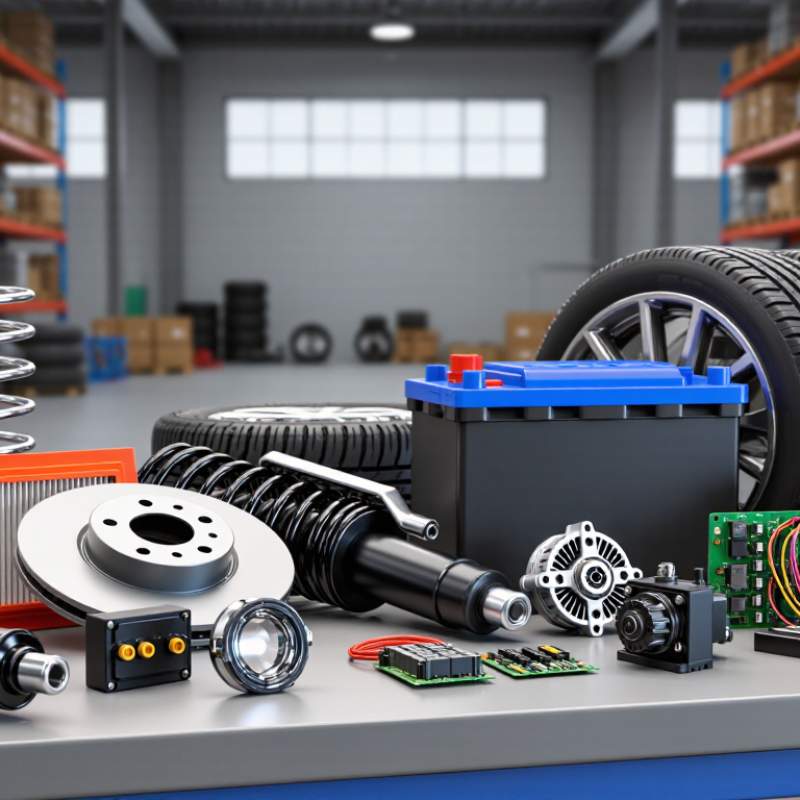
Automotive parts are easier to source when classified by function, location, and vehicle fitment. Common groups include powertrain parts, chassis and suspension components, body panels, electrical equipment, and cabin fittings. Service items, such as filters and brake pads, are often listed separately because they require regular replacement. Fit matters.
A functional category is only a starting point. A sensor may belong to the electrical system, yet its connector, software compatibility, and mounting position can determine whether it fits. Buyers should compare vehicle year, model, engine, dimensions, material, and part number where available. Clear photographs help, but they cannot replace measurements or fitment data.
For international purchasing, classification also supports clearer quotations and shipment records. Suppliers may use different names for the same component, so descriptions should include the part’s purpose and exact location. For example, “front left suspension arm” is more useful than “chassis part.” Packaging needs attention too: a fragile lamp and a heavy steel hub require different handling. This method is useful, but not perfect; catalog structures vary, and some parts cross several categories. Confirming details with a qualified supplier can prevent avoidable mismatches.
Engine and Fuel-System Components
Engine and fuel-system components remain essential to a large global vehicle fleet. OICA’s 2023 production report recorded about 93.5 million motor vehicles worldwide. That scale supports demand for cylinder heads, pistons, timing components, fuel pumps, injectors, filters, and pressure sensors. Buyers should match each part to engine code, model year, and fuel type. A near-fit can still cause leaks, poor combustion, or costly returns.
The market is changing, though. The International Energy Agency’s Global EV Outlook 2024 reported nearly 14 million electric car sales in 2023, about 18% of global car sales. Internal-combustion parts remain relevant, but regional demand and service needs differ.
Check material specifications, operating-pressure limits, and test records before ordering. For example, a fuel rail may look identical while using different sensor threads or pressure ratings. Small details matter. Reports describe broad market trends, not the exact demand for every component; that distinction is easy to overlook. Verified fitment data and clear quality documentation are more useful than a large catalog alone.
Transmission and Drivetrain Parts
For global buyers, transmission and drivetrain parts do more than complete an order; they carry engine torque to the wheels. This category includes gearboxes, clutch assemblies, driveshafts, differential gears, CV joints, bearings, and seals. A worn CV joint may click during tight turns, while a failing bearing can produce a hum that changes with speed. Small details matter.
When sourcing, match the vehicle configuration, gearbox code, axle spline count, gear ratio, and mounting dimensions against reliable service data. For electronically controlled units, confirm connector layouts and sensor compatibility; physical fit alone is not enough. Request clear photos, material specifications, inspection records, and traceable part references. Photos can hide wear. Where possible, check sealing surfaces, spline edges, and bearing play before installation. Even careful records can miss a mid-year production change, so verify uncertain details instead of assuming parts interchange.
Long-distance freight adds another variable. Moisture protection, secure bracing, and clear labeling help prevent corrosion and impact damage in transit. Compare warranty terms and replacement lead times as well. A low purchase price can become costly if a vehicle waits for the correct component.
Brake, Suspension, and Steering Components
Brake, suspension, and steering components affect how a vehicle stops, tracks, and handles rough roads. For global buyers, comparing these parts means looking beyond price and appearance. Check brake rotor dimensions, pad material specifications, and caliper fitment against the vehicle’s exact configuration. Suspension parts also need careful matching: a control arm may look correct but have different mounting points or bushing dimensions. Small differences matter.
Tips: Request dimensional drawings and material details before ordering. Confirm steering tie-rod thread size, taper, and overall length. Ask how parts are protected during shipping; a dented rotor edge or corroded joint can create problems before installation.
Reliable sourcing depends on clear records and practical checks. Ask suppliers for inspection reports, traceable batch information, and installation guidance where available. Samples can help reveal finish quality, but one sample cannot prove consistency across a full shipment. A tidy catalog can still hide gaps, so verify part numbers and vehicle applications independently. It is easy to overlook packaging. For buyers serving different climates, also consider corrosion protection and storage conditions. These checks take time, yet they can reduce costly returns and keep workshops from waiting on the wrong component.
Electrical, Body, Interior, and Maintenance Parts
Global buyers often group automotive parts into electrical, body, interior, and maintenance categories. Electrical components include sensors, wiring, alternators, and lighting. The International Energy Agency’s Global EV Outlook 2024 reports nearly 14 million electric car sales worldwide in 2023, about 18% of total car sales. As vehicle technology changes, buyers should check connector types and electrical specifications carefully. A small mismatch can delay installation.
Body parts range from mirrors and bumpers to door panels and lamps. Buyers need accurate model-year, trim, and side-position details; photos alone may not confirm fit. Interior parts, such as seat covers, switches, and dashboard panels, also depend on precise measurements and material descriptions. Still, catalog records can be incomplete. Confirm dimensions before ordering.
Maintenance parts include filters, brake components, belts, and wiper blades. S&P Global Mobility reported that the average age of light vehicles in the United States reached 12.6 years in 2024, highlighting the ongoing need for replacement and upkeep. Wear varies with climate, mileage, and driving conditions. Practical sourcing means comparing service intervals, material quality, and fitment data—not just unit price. Some details need a second check.
Top 10 Automotive Replacement Parts: Typical Service Intervals
Approximate intervals for commonly replaced maintenance parts. Bars show the midpoint of each typical range in thousands of miles; actual replacement timing varies by vehicle, driving conditions, and manufacturer recommendations.
These are general service-life estimates, not global sales rankings. Always follow the vehicle owner’s manual and inspect parts for wear.