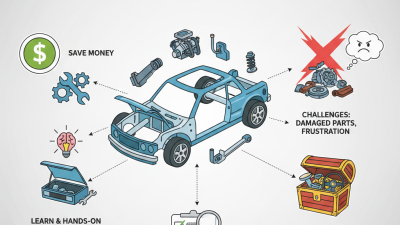
Choosing the right car parts store in 2026 requires more than comparing prices. Global buyers face different vehicle specifications, shipping routes, warranty terms, and return policies. A part that fits a Toyota in Tokyo may not fit the same model sold in Toronto. Small differences matter.
Paul McCarthy, president and chief executive of MEMA Aftermarket Suppliers, has stated, “The aftermarket is essential to keeping vehicles on the road.” That principle should guide every international purchase. A reliable car parts store must offer accurate catalog data, visible supplier information, secure payment options, and practical customer support. It should also explain delivery timelines clearly, including customs responsibilities and possible delays.
This outline examines leading stores through a buyer’s experience, not marketing claims alone. It considers catalog depth, original-equipment and aftermarket choices, vehicle compatibility tools, regional availability, and warranty handling. Physical details can reveal quality. Look for precise product photographs, readable labels, sealed packaging, and consistent part numbers. Customer reviews help, but they are not perfect evidence. Some may be outdated, overly emotional, or difficult to verify.
No ranking is flawless. Prices change quickly. Inventory changes faster. A store with excellent selection may still provide disappointing support in one country. Careful buyers should compare several sources, confirm the vehicle identification number when appropriate, and request professional advice before ordering safety-critical components. The strongest options combine convenience with accountability, helping global customers buy suitable parts with fewer costly surprises.
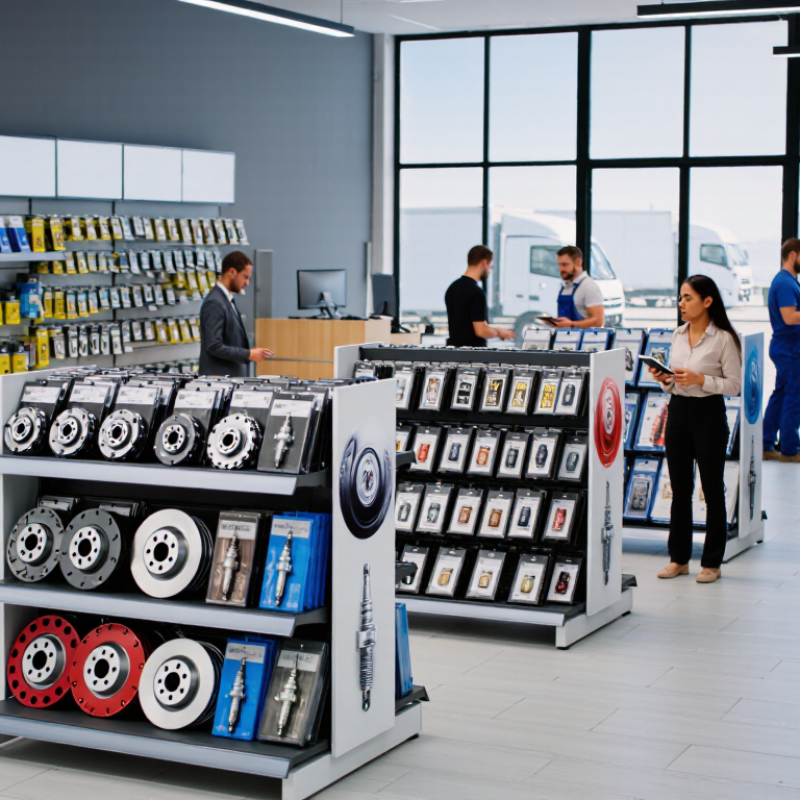
In 2026, global car parts buying is less about one dominant store and more about connected regional networks. Large online catalogs compete with specialist distributors, local workshops, and verified used-parts platforms. Top sellers usually offer broad coverage, clear fitment data, and dependable cross-border delivery. That sounds simple. Yet vehicle compatibility remains the difficult point. Engine codes, trim levels, production dates, and regional specifications can change a part’s suitability. Experienced buyers compare reference numbers, vehicle identification numbers, technical drawings, and return conditions before ordering. Photos help, but they do not replace measurements. Reliable stores also show stock locations, customs documents, warranty terms, and support response times. These details reveal operational maturity better than polished advertising.
The 2026 landscape is also shaped by electric vehicles, hybrid systems, and increasingly complex software. Reputable sellers provide clear handling information for high-voltage components and avoid encouraging unsafe repairs. Regional warehouses can reduce delivery delays, while local language support helps resolve technical misunderstandings. Secure payment processes, transparent taxes, and traceable shipping improve buyer confidence across borders. Independent reviews remain useful, although some reviews are too brief to verify. The market is not perfectly consistent. Some catalogs contain duplicated listings, outdated images, or vague country-of-origin information. In practical sourcing, a cheap part can become expensive after delays, incorrect fitment, and return shipping. That weakness deserves more attention. Buyers should question unusually low prices and request technical confirmation before purchase.
For global buyers, the strongest car-parts store is not always the cheapest. Fitment accuracy, export documents, delivery visibility, and return handling deserve equal attention. S&P Global Mobility reported that the average US light vehicle reached 12.6 years in 2024. Older vehicles often need specific sensors, seals, and suspension components. A reliable store should support VIN checks, model-year filters, technical drawings, and clear compatibility notes. Fitment is the first filter.
Cross-border checkout also reveals operational quality. Baymard Institute’s 2024 research places average online cart abandonment at 70.19%. Unexpected freight charges, unclear taxes, and forced account creation can cause that loss. Compare stores by showing landed cost before payment, offering multiple carriers, and stating delivery ranges by destination. The World Bank’s 2023 Logistics Performance Index highlights customs, infrastructure, shipment quality, and timeliness as core logistics measures. These factors matter when a small part travels thousands of kilometres.
Product evidence should be practical, not decorative. Look for batch numbers, warranty periods, installation guidance, and photographs showing connectors or thread sizes. Customer reviews should mention real vehicles and mileage, not only packaging. I would not trust a perfect rating alone; review volume, recent complaints, and response quality need checking. A spreadsheet can miss poor technical support. Test one modest order before committing to expensive components. That step feels slow. It can prevent an expensive mistake.
What Are the Top Car Parts Stores for Global Buyers in 2026?
For global buyers, the best car parts stores offer clear shipping terms before checkout. Check whether shipping is postal, express, or freight service. Delivery estimates should include handling time, not only transit time. I have learned to compare tracking quality, packaging details, and damage procedures. A small photo of the boxed part can prevent a large dispute.
Duties and taxes often surprise buyers. Reliable stores show whether charges are prepaid or collected on delivery. They should also identify the invoice value and product description accurately. However, import rules vary by destination. Confirm local requirements with the relevant customs authority before payment. Do not assume “free shipping” means no extra costs.
Returns need equal attention. Read the return window, restocking fees, and return-freight rules carefully. Confirm whether opened electrical parts or installed components qualify for return. Keep the invoice, tracking number, and clear photos of the package. Buyer protection matters when a part arrives late, damaged, or incorrect. Use a payment method with a documented dispute process. Fitment tools can help, but they are not perfect. Verify the part number and vehicle details yourself. Mistakes still happen.
| Buyer Market | Common Delivery Options | Duties and Taxes | Return Considerations | Buyer-Protection Checks | Recommended Pre-Purchase Evidence |
|---|---|---|---|---|---|
| United States | Postal service, express courier, and freight forwarding are widely available. Delivery time depends on origin, service level, and customs processing. | Imported parts may be subject to customs duty, merchandise processing charges, and state or local sales tax. The importer of record is generally responsible for applicable charges. | Return eligibility commonly depends on the seller’s written policy. Electrical, installed, painted, modified, or special-order parts may have exclusions or restocking fees. | Use a payment method with a documented dispute process. Confirm whether the seller provides tracking, delivery confirmation, and a clear remedy for counterfeit, damaged, or incorrect goods. | Vehicle identification number, OEM or equivalent part number, compatibility confirmation, product photos, and a written warranty. |
| European Union | Road transport is often economical within the EU; express and postal services are suitable for smaller parts. Cross-border delivery may still require customs handling when shipped from outside the EU. | For imports from outside the EU, import VAT is generally collected, and customs duty may apply depending on tariff classification and customs value. The Import One-Stop Shop can apply to eligible low-value consignments when the seller uses it. | Consumer distance contracts generally include a 14-day withdrawal period, subject to legal exceptions. Return shipping costs may be payable by the buyer if disclosed in advance. | Check the trader’s legal identity, EU address, VAT information where applicable, statutory conformity rights, and the payment provider’s dispute procedure. | Part number, vehicle registration or VIN lookup result, conformity information, delivery terms, VAT treatment, and return instructions. |
| United Kingdom | Tracked postal, courier, and freight services are common. Shipments from outside the UK can be delayed by customs clearance or incomplete commercial invoices. | Import VAT and possible customs duty may apply to goods entering Great Britain. The amount depends on classification, origin, customs value, and the seller’s tax arrangement. | Online consumers generally have a 14-day cancellation period, followed by a further period to return goods, subject to exceptions and proper disclosure. Used or installed parts may be assessed for diminished value. | Verify the seller’s registered business details, written warranty, delivery estimate, and the payment method’s chargeback or dispute rules. | Vehicle registration or VIN, exact part number, VAT-inclusive or VAT-exclusive price, customs responsibility, and signed delivery evidence. |
| Canada | Postal, courier, and ground freight services are available. Remote destinations may incur additional delivery time or surcharges. | Imported parts may attract GST or HST, provincial sales tax where applicable, customs duty, and brokerage fees. Treatment varies by origin, tariff classification, and province. | Return rights and restocking charges are primarily governed by the seller’s policy and applicable provincial rules. Confirm whether return freight and brokerage fees are refundable. | Select tracked shipping, retain all correspondence, and confirm the payment provider’s process for goods not received, not as described, or damaged in transit. | VIN compatibility result, tariff or origin information, estimated brokerage charges, warranty terms, and a complete commercial invoice. |
| Australia and New Zealand | Air parcel services suit small parts, while sea or consolidated freight may reduce cost for bulky items. Biosecurity and border inspections can affect delivery times. | Australia may apply GST, customs duty, import processing charges, and biosecurity-related fees. New Zealand may apply GST, customs duty, and border processing charges. Exact treatment depends on value, classification, and origin. | Australian Consumer Law and New Zealand consumer rules can provide remedies for faulty or incorrectly described goods, but change-of-mind returns depend on the seller’s policy. | Check seller identity, product authenticity, vehicle compatibility, delivery insurance, and the payment provider’s dispute deadline before ordering. | VIN or chassis number, compliance information where relevant, declared value, warranty coverage, and confirmation that the part is legal for road use. |
| Japan and South Korea | Express courier and air freight are practical for compact parts; sea freight is more suitable for engines, body panels, and other oversized items. | Import consumption tax, customs duty, and handling fees may apply. Rates depend on the part’s tariff classification, customs value, origin, and local rules. | International returns can be expensive. Confirm acceptance conditions, return authorization requirements, inspection rules, and whether the refund excludes original shipping or customs charges. | Use traceable payment and shipping, verify translated specifications, and request clear evidence of authenticity and compatibility. | Original part number, model code, vehicle-market compatibility, dimensions, installation condition, and export packaging details. |
| Middle East | Express courier is common for small items; air cargo and sea freight are used for bulky components. Address accuracy and local delivery arrangements are important. | Import VAT, customs duty, clearance fees, and local taxes may apply. Liability varies according to the destination country and whether the shipment is delivered duty paid or unpaid. | Return terms differ substantially by jurisdiction and seller. Confirm who pays international return freight, customs re-export costs, and inspection or restocking fees. | Check local warranty enforceability, seller registration, payment protection, shipment insurance, and the process for reporting transit damage. | Exact destination address, vehicle specification, part number, customs responsibility, warranty duration, and delivery contact details. |
| Latin America | Tracked postal and express services are suitable for smaller parts, while freight forwarding may be necessary for heavy or oversized components. Customs processing can significantly affect delivery time. | Import duty, VAT or sales tax, customs fees, and brokerage charges vary by country and product classification. The buyer may be required to provide tax or identification information. | Cross-border returns are often costly and may require prior authorization. Confirm whether the seller offers replacement, partial refund, or local repair for defective goods. | Prefer tracked delivery and payment methods with formal dispute procedures. Save the product listing, invoice, photographs, and all customs documents. | VIN, manufacturer-equivalent part number, declared value, customs description, estimated landed cost, and written defect-resolution terms. |
| Buyer note: Delivery times, taxes, customs duties, brokerage fees, return rights, and payment protection depend on the destination, product classification, seller location, shipping terms, and payment method. Before payment, confirm the final landed cost and whether the shipment is DDP (duties and taxes paid by the seller) or DAP/DDU (duties and taxes collected from the buyer). | |||||
Choosing a car parts store in 2026 requires more than comparing prices. Compatibility comes first. The International Energy Agency reported over 14 million electric cars were sold globally in 2023, showing how quickly vehicle technology is changing. A reliable store should identify parts by VIN, model year, engine type, battery system, and regional specification. Generic product photos are not enough. Ask for exact measurements, connector details, and installation requirements.
Check the store’s evidence. Look for traceable manufacturer information, recognized quality certifications, clear warranty terms, and return instructions. The United Nations Economic Commission for Europe continues to develop vehicle safety regulations, so compliance documents matter for lighting, braking, steering, and electronic components. Shipping estimates should include customs information and protective packaging. A damaged sensor in a thin cardboard box is a warning sign.
Read recent buyer feedback carefully. Focus on fitment accuracy, response time, and replacement handling. Technical support should answer practical questions, not repeat sales language. Short answers help. Before ordering, compare the part number with your service manual and ask whether software calibration is required. No checklist is perfect. Even experienced buyers can overlook regional differences, especially with imported vehicles. I would also save invoices, installation photos, and communication records. That habit feels excessive until a dispute occurs. Deloitte’s 2024 automotive consumer study found that trust and convenience strongly influence vehicle-related purchasing decisions, but convenience should never replace verification.
Logel’s Auto Parts
116 Bridge St East
Kitchener, Ontario
N2K 1J6
Phone: 519-745-4751
Toll Free: 1-800-818-9118
Hours 8:00-5:00 Monday to Friday
At Logel’s Auto Parts, we serve a range of communities in Southern Ontario, including:
Sign up today for the latest updates from the Logel’s Auto Parts team, including pricing for scrap vehicles, our newest product lines, current operating hours, and much more.