What is a Car Parts Store and How Can It Help You?

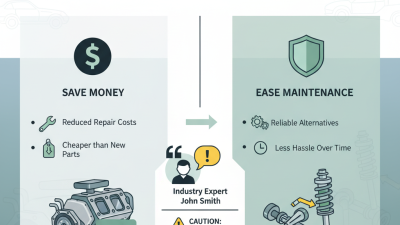
In today’s automotive landscape, a car parts store plays a crucial role for vehicle owners. Experts like John Smith, a recognized automotive specialist, emphasizes, “Finding the right part is essential for every car owner.” Car parts stores offer a wide range of automotive components. From brakes to oil filters, they ensure your vehicle runs smoothly.

Navigating a car parts store can feel overwhelming. With countless options available, knowing what you need is vital. These stores not only provide parts but also expert advice. Many staff members are knowledgeable and can help identify specific needs. They aim to support vehicle maintenance and repair.

While car parts stores are beneficial, challenges may arise. Sometimes, parts may not fit as expected, or the right component might be out of stock. Frustrations are common, but understanding how to communicate your needs can lead to better results. Overall, a car parts store is an invaluable resource that empowers vehicle owners to maintain their cars effectively.

What is a Car Parts Store and How Can It Help You?

What is a Car Parts Store?

What is a Car Parts Store and How Can It Help You?

A car parts store serves as a vital resource for vehicle maintenance and repair. These stores provide everything from routine maintenance items to specialized components. According to a report by Allied Market Research, the global automotive aftermarket is projected to reach $1 trillion by 2026, highlighting the importance of these stores in our economy.

Car parts stores typically offer a variety of items, including filters, brake pads, and batteries. Many also provide expert advice to help customers make informed choices. A survey by Statista found that 73% of car owners prefer shopping at local stores for parts, valuing personalized service. This preference reveals the need for knowledgeable staff who can assist with specific vehicle needs.

Despite the advantages, challenges exist. Inventory management can be tricky; some stores may stock outdated parts. A report from the Automotive Aftermarket Industry Association noted that nearly 20% of parts ordered often go unused. This inefficiency can hinder sales and frustrate customers. Continuous training for staff and better inventory systems are essential to address these issues.

Types of Car Parts Available in Stores

Car parts stores offer a wide variety of components crucial for vehicle maintenance. Understanding what types of parts are available can significantly impact your vehicle's performance. Generally, these stores provide everything from engine parts and transmissions to braking systems and electrical components.

One interesting aspect is the growing emphasis on aftermarket parts. According to recent industry reports, aftermarket parts can account for up to 60% of the total auto parts market. These parts are often cheaper and can enhance vehicle performance or personalization. However, quality may vary, and some inferior products can lead to costly repairs.

Additionally, stores typically stock both OEM (Original Equipment Manufacturer) and aftermarket components. While OEM parts ensure a perfect fit and warranty coverage, they usually come at a higher price. Customers must weigh their options carefully. Some may prefer the savings from aftermarket alternatives, but they may sacrifice quality or compatibility. Choosing the right part can be complex and should ideally involve consultation with professionals.

How to Choose the Right Car Parts for Your Vehicle

Choosing the right car parts for your vehicle is crucial for performance. A recent study found that nearly 30% of vehicle malfunctions stem from the use of incorrect components. Understanding the specific needs of your vehicle can prevent costly repairs and enhance safety.

When selecting parts, always refer to your vehicle’s manual. It contains vital information about specifications. Checking OEM specifications can be helpful. Many car parts stores offer this information. Additionally, consulting with knowledgeable staff can provide you with insights you might not have considered.

Think about longevity and compatibility. Some parts may seem cheaper but can lead to larger issues down the line. In fact, over 40% of customers experience issues due to incompatible parts. This can result in unexpected expenses and downtime. It’s essential to weigh cost against quality for long-term satisfaction.

Benefits of Shopping at a Car Parts Store

What is a Car Parts Store and How Can It Help You?

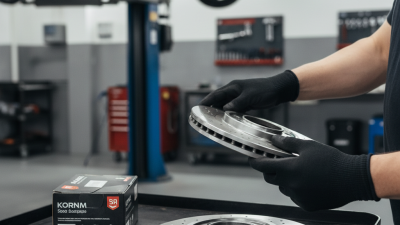
Shopping at a car parts store offers numerous advantages. You have access to a wide range of parts, suitable for various makes and models. This variety makes it easier to find what you need, whether it's a simple filter or a complex electrical component. Many stores also stock hard-to-find items. This means less time searching online or waiting for delivery.

Expert staff often works at these stores. They can provide valuable advice on parts compatibility and installation. Their insights can save you from costly mistakes and incorrect purchases. While it's essential to do your research, their expertise can guide you.

Visiting a physical store allows you to inspect parts firsthand. You can check quality and fit before buying. However, not all products will meet your expectations, so always seek customer reviews. This approach ensures a more informed decision. Embracing the experience at a local car parts store can yield benefits beyond mere transactions; it cultivates confidence in your automotive decisions.

Tips for Getting the Best Deals on Car Parts

Finding the best deals on car parts is essential for vehicle maintenance. Many drivers overlook the importance of shopping around. According to industry reports, 70% of consumers don’t compare prices before making a purchase. This can lead to overspending on parts that are readily available elsewhere.

Consider looking for online catalogs and local stores. Digital platforms frequently offer exclusive discounts. Additionally, warehouse stores may provide bulk pricing on parts. Reports suggest that consumers can save 15-30% by utilizing various shopping methods. Another tip is to check for seasonal sales or clearance items. Timing your purchase can significantly impact your budget.

Networking within local automotive communities can also reveal hidden gems. Many groups share insights on trustworthy suppliers and untapped sales. Participating in online forums can lead to valuable recommendations. Remember that not every deal is a great one. Verify the quality of parts to avoid purchasing inferior products. Balancing cost and quality is a challenge many face in the car parts market.

Start typing and press Enter to search