2026 Best Scrap Auto Parts for Global Buyers Guide?

In the world of automotive recycling, the significance of scrap auto parts has grown rapidly. Industry expert John Smith, known for his insights on vehicle dismantling, states, "Every scrap piece tells a story and holds untapped potential." His words resonate with the current trends in sustainable practices and resource optimization.

The demand for high-quality scrap auto parts is increasing among global buyers. As vehicles age, they create a market filled with reusable components. These parts not only contribute to environmental conservation but also offer affordable options for repairs. Buyers must navigate this complex landscape to find trustworthy suppliers and quality products.

Nevertheless, it's important to acknowledge the challenges within the scrap auto parts industry. Quality control varies significantly, and some sellers may not disclose issues. Buyers should remain vigilant and conduct thorough research before making purchases. Understanding the market can empower buyers and foster a reliable supply chain for valuable scrap auto parts.
2026 Best Scrap Auto Parts for Global Buyers Guide?

2026 Global Trends in Scrap Auto Parts Industry for Buyers

2026 Best Scrap Auto Parts for Global Buyers Guide?

The scrap auto parts industry is evolving rapidly. In 2026, sustainability will drive many buyer decisions. Buyers increasingly prioritize eco-friendly practices. They seek parts that reduce waste and promote recycling. This shift reflects a growing awareness of environmental impact.

Consumer preferences are shifting as well. Many now prefer high-quality used parts over new ones. Buyers find that refurbished components often match new parts in performance. Cost-effectiveness is another crucial factor. Many buyers want to lower expenses without sacrificing quality. However, sourcing reliable suppliers can be challenging.

Another emerging trend is digital integration. Online marketplaces are growing in popularity. They offer convenience and a broader selection for buyers. Yet, buyers must be cautious. Not all platforms guarantee quality and reliability. Conducting thorough research remains essential. Trust is critical in the scrap auto parts market. Building relationships with reputable suppliers can mitigate risks.
Key Factors Influencing the Scrap Auto Parts Market Demand

The demand for scrap auto parts is driven by several key factors. One major influence is the growing focus on sustainability. As environmental concerns mount, more businesses and consumers seek to recycle parts. Using scrap materials is often more cost-effective. This trend is reshaping the market landscape.

Another critical factor is the rising cost of new auto parts. Many buyers are turning to scrap options to save money. The affordability of these parts makes them more attractive, especially in a fluctuating economy. However, quality can vary greatly, leading to potential buyer dissatisfaction.

Market demand also shifts based on the automotive industry's progress. Innovations in electric and hybrid vehicles are changing the kinds of parts needed. Scrap suppliers must adapt quickly to these changes. Stagnation in adapting to market needs may result in lost opportunities. Overall, the scrap auto parts market is complex and requires ongoing analysis.

2026 Best Scrap Auto Parts Market Demand Analysis

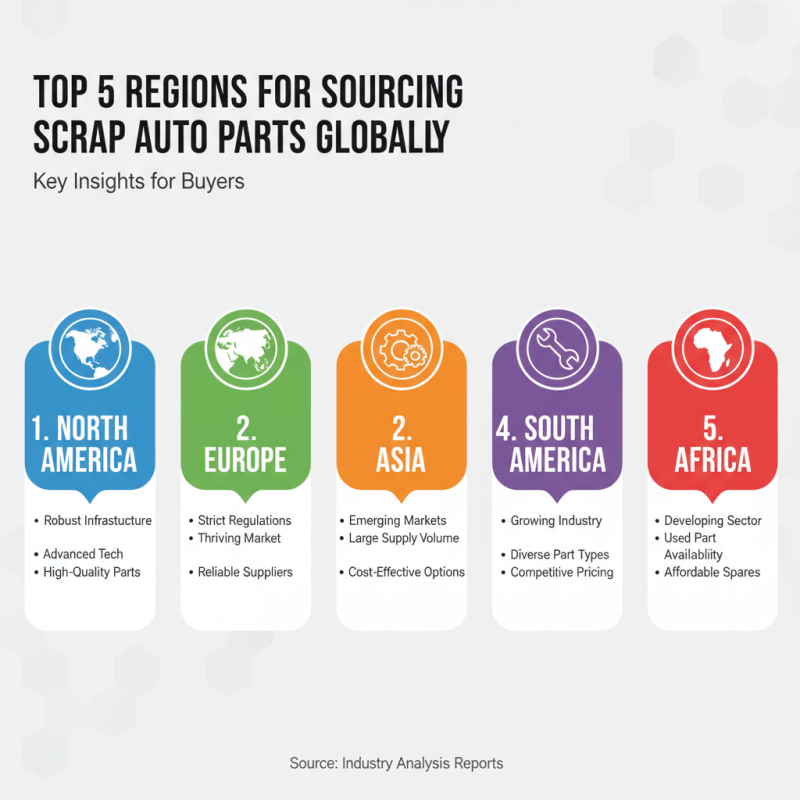
Top 5 Regions for Sourcing Scrap Auto Parts Globally

2026 Best Scrap Auto Parts for Global Buyers Guide?

When sourcing scrap auto parts, understanding the best regions globally is crucial. North America stands out for its robust infrastructure and established recycling firms. The availability of advanced technologies makes it easier to obtain high-quality parts. In Europe, strict regulations on waste management foster a thriving market for recycled automotive components. Buyers often find reliable suppliers here.

Asia, particularly countries like Japan and South Korea, offers a unique advantage. These regions have a high volume of discarded vehicles. This leads to a diverse selection of parts at competitive prices. However, communication barriers may arise, complicating negotiations. Latin America presents an emerging market with potential for affordability, but quality can vary significantly. Buyers should conduct thorough research to avoid pitfalls.

Tips for successful sourcing include establishing relationships with multiple suppliers to compare options. Verify supplier credentials to ensure reliability. Being mindful of the risks in each region helps in making informed decisions. Always inspect parts when possible to avoid unexpected quality issues. The landscape is dynamic, and adaptability is critical in navigating this industry.

Quality Standards for Scrap Auto Parts: What Buyers Should Know

When sourcing scrap auto parts, understanding quality standards is crucial for buyers. Many suppliers claim high-quality products, but not all meet industry benchmarks. According to a 2023 report by the International Scrap Recycling Institute, over 30% of scrap parts lack proper certification. This statistic underscores the importance of verifying quality before making purchases.

Quality standards include various aspects such as material integrity, dimensional accuracy, and surface finish. For instance, components used in vehicle repairs must adhere to specific specs to ensure safety and performance. Failing to do so can lead to severe consequences, both legally and financially. It's imperative for buyers to request certifications and, if possible, inspect parts personally.

Tips: Validate supplier credentials. Look for reputable certifications. Maintain clear communication about expectations and standards. Engage in discussions with previous buyers to get their insights, as they can provide valuable feedback. Remember, not all deals offer equal value. Some may appear cheaper initially but could ultimately cost more due to poor quality. Always prioritize quality over price.

Economic Impact of Scrap Auto Parts in the Automotive Supply Chain

The economic impact of scrap auto parts is significant in today’s automotive supply chain. These parts not only reduce costs for manufacturers but also contribute to sustainability. Recycling scrap parts can conserve resources and lessen environmental harm, promoting a circular economy. With the growing demand for eco-friendly practices, the value of scrap parts is increasing.


Tips: When sourcing scrap auto parts, check their condition carefully. Inspect for rust, corrosion, or extensive wear. Quality parts can save money and enhance vehicle performance. Always consider local suppliers for potentially lower shipping costs. They may offer products that meet your specifications and standards.


The challenges in this market include fluctuating prices and varying quality. Buyers need to stay informed and vigilant. Ensure reliable suppliers, and verify certifications where possible. Understanding the market dynamics helps buyers navigate uncertainties. A proactive approach mitigates risks associated with poor-quality parts.

Start typing and press Enter to search