Blog
How to Buy Scrap Parts Online in 2026?
Buying scrap parts online in 2026 can save money and keep usable components in circulation. It can also leave you with the wrong part, unexpected delivery costs, or a difficult return. A clear plan matters. Before browsing, note the vehicle’s year, make, model, engine, and exact part number. When available, compare the number with your vehicle identification details or ask a qualified mechanic to confirm compatibility. Small differences matter.
A useful listing shows the part from several angles, describes wear or damage, and identifies what is included. Look for the seller’s contact details, return terms, warranty information, and shipping estimate before paying. Good photos help. So does a written answer. Ask how the part was tested, where it came from, and whether mounting hardware is included. Keep the replies and order records. They may help if the delivered item differs from its description.
Online checks are not perfect. A polished listing can still omit an important flaw, and a low price may reflect missing components or uncertain condition. Compare a few sellers rather than judging by price alone. Use payment methods with clear transaction records, and avoid arrangements that ask you to bypass the platform’s protections. Check local requirements for buying and installing used components, especially safety-related parts. This guide will outline how to assess listings, confirm fit, compare sellers, and plan delivery. A little patience can prevent a costly mismatch.
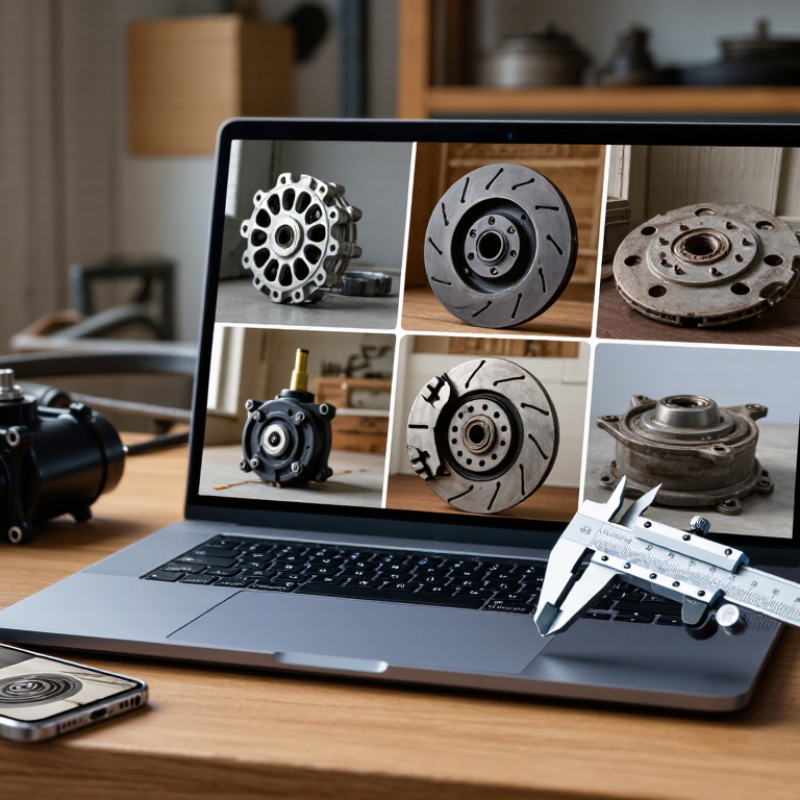
Table of Contents
[Hide]
Identify the Scrap Part and Confirm Vehicle Compatibility
Before searching online, identify the exact scrap part you need. Record the vehicle’s year, make, model, engine size, trim, and drivetrain. A side-view mirror, for example, may differ by door, heating function, or connector shape. Photograph the old part beside a ruler, and note any stamped numbers or label codes. Small details matter.
Compare the listing with your notes, not just its headline. Check part numbers, mounting points, electrical plugs, dimensions, and left- or right-side placement. Confirm compatibility using the vehicle identification number when the seller offers that service. Similar model years can use different parts, and a matching description is not proof. If details conflict, ask the seller for clear photos and written confirmation before paying. Even careful checks can miss hidden differences, so keep the return terms in mind.
Tips: Save the listing and your measurements. Ask whether the part was tested, and request close-ups of damaged areas. For a sensor or electronic component, confirm the connector and stated function. A little doubt is useful here; I would rather verify twice than fit the wrong piece.
How to Buy Scrap Parts Online in 2026? – Identify the Scrap Part and Confirm Vehicle Compatibility
| Part Type | How to Identify the Part | Vehicle Details to Check | Compatibility Checks | Before You Buy |
|---|---|---|---|---|
| Engine | Record the engine code and any numbers stamped or cast on the engine. Ask for clear photos of the code and the complete assembly. | Model year, make, model, engine size, fuel type, drivetrain, and VIN. | Confirm the engine code, emissions configuration, sensors, and mounting points. A matching engine size alone does not guarantee fitment. | Confirm what accessories are included, the donor vehicle’s mileage if known, test or inspection details, and the return terms. |
| Transmission | Check the transmission identification tag or stamped code, and whether it is manual, automatic, or another type. | Engine configuration, model year, drivetrain, transmission type, and VIN. | Verify the transmission code, bellhousing pattern, electronic connectors, gear ratios where applicable, and two-wheel-drive or four-wheel-drive configuration. | Ask whether the torque converter, control module, or other related components are included; confirm fluid and installation requirements. |
| Alternator | Compare the label or part number, connector shape, pulley, mounting ears, and rated output when shown. | Model year, engine, trim or electrical package, and VIN when available. | Check that the connector, mounting layout, pulley type, and electrical rating match the original unit. | Request photos of the label and terminals; confirm whether the part was tested and what warranty or return period applies. |
| Headlamp assembly | Identify the side (left or right), assembly shape, connector, and visible part number. Check whether bulbs or control modules are included. | Model year, body style, trim, market, and lighting configuration. | Compare connector type, mounting tabs, lens shape, and lighting features. Left and right assemblies are not interchangeable. | Ask for close-up photos of the lens, tabs, and connectors; check for cracks, moisture, and missing components. |
| Door or body panel | Specify the exact panel, side, and position (for example, front-left door). Compare shape, cutouts, and mounting points. | Model year, body style, door count, side, and trim features. | Check for differences in window openings, handles, mirror mounts, wiring, and body style. Paint color alone does not confirm fit. | Confirm whether glass, regulator, trim, and wiring are included; request damage and corrosion photos. |
| Wheel | Read the wheel markings for diameter and width, and inspect the bolt pattern, offset, and center bore where specified. | Vehicle year, model, trim, brake package, and existing wheel specifications. | Match the bolt pattern and confirm offset, center bore, load rating, and clearance around brakes. Similar-looking wheels may not fit. | Check for cracks, bends, weld repairs, and included hardware; confirm the tire is not being mistaken for part of the wheel listing. |
Fitment tip: Use the vehicle identification number (VIN) and the original part’s identification markings when possible. A VIN can help identify vehicle specifications, but verify the exact part code and configuration with the seller before ordering. Confirm shipping costs, return eligibility, and any required core charge in writing.
Related Posts
-
2025 How to Effectively Scrap Parts for Maximum Profit and Sustainability
-
Understanding Top Junk Parts and Their Impact on Vehicle Performance?
-
2026 Best Scrap Parts for Global Buyers to Explore?
-
2026 Best Scrap Parts for Global Buyers Seeking Quality?
-
China Best Junk Car Parts for Global Buyers in 2026?
-

How to Find the Best Parts for My Car Online?