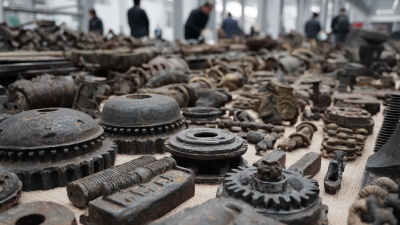
In the ever-evolving landscape of the scrap parts industry, quality remains paramount. For global buyers seeking reliable components, identifying the best options is crucial. As expert analyst John Smith states, "Quality in scrap parts is not just an option; it’s a necessity." This sentiment resonates deeply in a market characterized by variability and uncertainty.
The demand for premium scrap parts is growing. Industries rely on these components for sustainability and cost-effectiveness. However, the challenge lies in navigating a diverse supply chain filled with both excellent and substandard products. Many buyers face tough decisions, often overwhelmed by choices. It's vital to establish criteria for quality to ensure trustworthy transactions.
Reflecting on past experiences, stakeholders recognize the importance of transparency and accountability within the scrap parts market. While various suppliers offer enticing deals, discerning the truly reliable ones requires effort. As buyers, staying informed and vigilant will ultimately shape success.
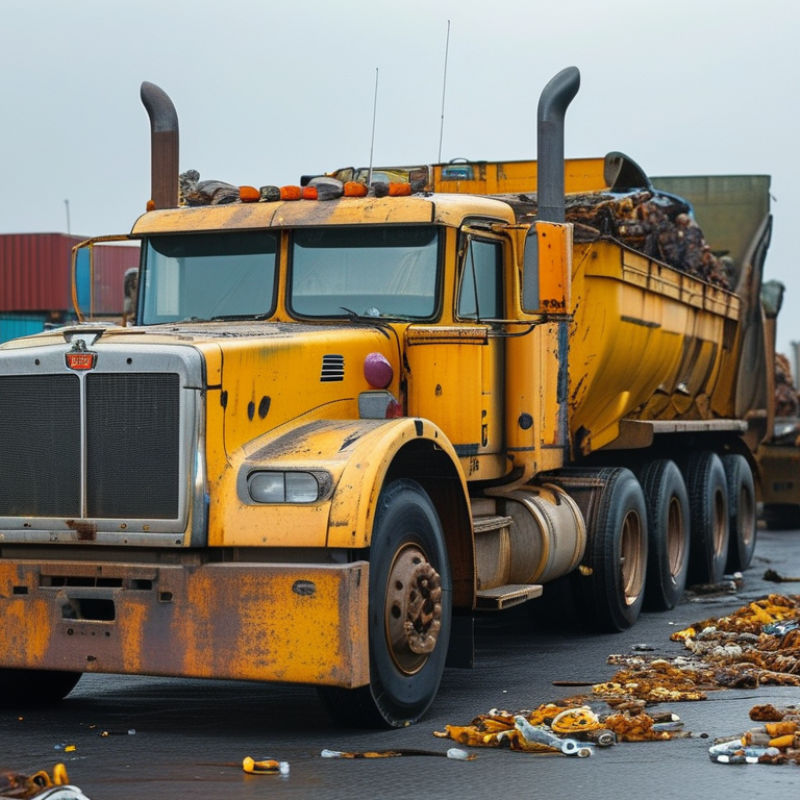
When it comes to sourcing scrap parts, quality is paramount for global buyers. High-quality scrap can significantly enhance production processes. Buyers should prioritize parts that are free from contamination and damage. Inspecting the material before purchase is essential. A thorough examination can save time and money in the long run.
Understanding the specific requirements for scrap parts can be challenging. Standards can vary across industries and regions. It's crucial for buyers to be educated on what constitutes high-quality scrap. Documentation regarding the parts' origin and composition is important. This can provide assurance about their reliability and performance.
Buyers often face difficulties in distinguishing between reliable suppliers and subpar options. Trust can be built through consistent communication. Engaging with suppliers who provide detailed information about their processes adds value. Take the time to evaluate the certifications and quality assurance practices. This scrutiny can prevent future complications and foster long-term business relationships.
When selecting scrap parts, understanding key materials is crucial. Buyers should focus on the quality and usability of these materials. For instance, metals like aluminum and copper are highly sought after. They are lightweight yet robust, making them ideal for various applications. Steel also holds value due to its strength and recyclability.
Another consideration is the plastic components. These materials can often be overlooked, but they offer significant benefits. Look for high-density polyethylene (HDPE) and polypropylene, as they are durable and resistant to chemicals. Keep in mind that not all plastics are created equal. Some might carry environmental risks that can be avoided with careful selection.
Lastly, buyers should keep an eye on composite materials. These can offer unique properties but might pose challenges in recycling. Assessing the current market demand for these materials is important. Not every scrap piece will meet expectations, and some may require additional processing. Thus, maintaining a critical perspective is essential for successful sourcing.
In the scrap parts market, assessing supplier reliability is crucial. A recent report from the International Scrap Recycling Institute revealed that over 70% of buyers prioritize supplier trustworthiness. This emphasizes the need for thorough evaluations. Quality assurance goes beyond just price and availability.
Many suppliers struggle with transparency. This often leads to inconsistent product quality. Research shows that nearly 30% of buyers have faced issues with subpar materials from unreliable sources. Addressing these challenges requires a detailed vetting process. Buyers should request certifications and track records from potential suppliers.
Effective communication is key in supplier relationships. Regular updates on material sourcing and production can greatly enhance reliability. A study by the Scrap Metal Dealers Association indicated that companies with strong communication practices see a 40% increase in customer satisfaction. Being proactive in these interactions will help buyers secure quality materials and build lasting partnerships.
In the scrap parts industry, understanding international quality standards is crucial for global buyers. Reports from the International Scrap Recycling Institute (ISRI) reveal that 70% of buyers prioritize quality metrics when selecting scrap materials. This highlights the need for a thorough understanding of standards such as ISO 9001, which focus on quality management systems. Buyers should ensure that their suppliers adhere to these standards to mitigate risks associated with poor-quality parts.
Quality assessment goes beyond certification. Buyers often face challenges in verifying compliance. A survey by the World Steel Association indicates that 30% of respondents encountered discrepancies in scrap quality. Inadequate inspections and lack of transparency can lead to serious consequences. Relying solely on supplier claims is insufficient. Buyers should establish robust auditing processes to ensure the quality of scrap parts meets their specifications.
Furthermore, the recycling industry is constantly evolving. The introduction of new materials and technologies adds complexity to quality assurance efforts. Staying informed is essential. Businesses must adapt to emerging trends, such as the increasing importance of sustainability and environmental impact. The statistics highlight the need for ongoing training and awareness to navigate this dynamic landscape successfully. In an industry marked by variability, commitment to quality remains paramount.
The scrap parts industry is evolving rapidly, marking significant trends and innovations. In 2023, the global scrap metal market was valued at approximately $400 billion. Estimates suggest that by 2026, this could increase by over 5% annually. Such growth is driven by rising demand for recycled materials. The push for sustainability fuels this trend, as companies seek eco-friendly alternatives.
Digital technologies are becoming essential in scrap trading. Platforms utilizing artificial intelligence help streamline various processes. They provide fair price assessments and enhance transparency in transactions. A study published by the World Economic Forum highlights that automation can reduce operational costs by around 20%. Many buyers, however, are still hesitant to fully embrace these innovations, fearing the complexity of implementation.
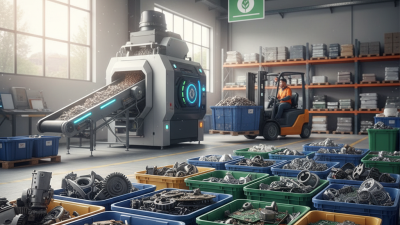
Recycling practices are also changing. Advanced sorting technologies improve material recovery rates. Research indicates that using smart sorting can raise recovery efficiency to 90%. Despite these advancements, challenges remain. Many scrap processors struggle with quality control. Ensuring the purity of materials is crucial for attracting global buyers. In a competitive marketplace, companies must continuously adapt and innovate to meet these challenges effectively.
Logel’s Auto Parts
116 Bridge St East
Kitchener, Ontario
N2K 1J6
Phone: 519-745-4751
Toll Free: 1-800-818-9118
Hours 8:00-5:00 Monday to Friday
At Logel’s Auto Parts, we serve a range of communities in Southern Ontario, including:
Sign up today for the latest updates from the Logel’s Auto Parts team, including pricing for scrap vehicles, our newest product lines, current operating hours, and much more.