What Are the Top Car Headlight Types in 2026?

Choosing the best car headlights in 2026 is no longer just about brightness. Drivers now compare halogen, LED, HID, laser, and adaptive lighting systems. Each type offers different benefits, costs, and practical limitations.

No single winner exists. That matters.

A powerful beam can still perform poorly if it creates glare or leaves dark areas. In real driving, rain, fog, road markings, and dirty lenses often change the result. This guide examines how leading headlight technologies work and where each option fits. It considers beam visibility, energy use, lifespan, replacement costs, and installation complexity. It also looks at adaptive driving beams, which can adjust light distribution around nearby vehicles. These systems appear promising, but their performance depends on accurate sensors and proper calibration.

Technical claims require caution. Manufacturer figures may describe laboratory conditions rather than daily roads. Independent testing, certified components, and professional inspection provide stronger evidence. A headlight that looks impressive in a showroom may feel harsh or uneven at night. Small differences matter.

Weather exposes weaknesses.

Halogen units remain affordable and simple to replace. LEDs usually provide sharper illumination and lower power consumption, but repairs can become expensive when integrated modules fail. HID systems can produce strong output, although their warm-up time and maintenance needs may disappoint some drivers. Laser lighting remains specialized and costly, rather than a universal upgrade. The following discussion compares these technologies clearly, while recognizing that vehicle design, local regulations, and driving habits influence the final choice. Even this overview has limits, because real-world results vary between models and road conditions.
What Are the Top Car Headlight Types in 2026?

What Defines a Modern Car Headlight Type?

What defines a modern car headlight type is not only its bulb. It is the complete lighting system, including energy use, beam control, sensors, software, and visibility. In 2026, LED headlights remain the practical baseline because they offer compact packaging, fast activation, and precise optical control. The U.S. Department of Energy’s Solid-State Lighting R&D Plan reports that LEDs can use at least 75% less energy and last up to 25 times longer than incandescent lighting.

Adaptive LED and matrix LED systems move further. They divide the beam into controlled segments, then dim selected areas around approaching vehicles. This can preserve long-range illumination without directing intense light toward other drivers. The Insurance Institute for Highway Safety evaluates headlights through low-beam reach, high-beam reach, glare, and curve performance. That testing approach shows why brightness alone is a weak measurement.

Laser-assisted systems can extend illumination, but their value depends on regulation, packaging, and reliable control software. A powerful beam is not automatically a safer beam. The label can mislead. I would not call every adaptive lamp intelligent, because some systems react slowly on bends or in heavy rain. Modern design should also consider thermal management, repairability, and stable performance after years of vibration. UNECE Regulation No. 149 reinforces this direction by defining requirements for road-illumination devices and their beam patterns. A good 2026 headlight type should therefore balance visibility, glare control, durability, and real-world maintenance.

How Halogen, HID, and LED Headlights Work

In 2026, halogen, HID, and LED headlights remain common choices. Each uses a different method to create light.

Halogen bulbs pass electricity through a tungsten filament inside a gas-filled glass capsule. The filament becomes extremely hot and glows. They are simple, affordable, and easy to replace. However, much energy becomes heat, not visible light. Their yellowish beam can also look weaker beside newer systems.

HID headlights create light through an electric arc between two electrodes. The arc passes through pressurized gas, producing a bright, white beam. HID systems usually need a ballast to control startup voltage. They may take a few seconds to reach full brightness. That delay matters during quick ignition.

Poorly aligned HID lamps can create harsh glare, especially in rain or oncoming traffic. Correct aiming is essential.

LED headlights use semiconductor diodes that produce light when current flows through them. They consume less energy, switch on instantly, and allow compact shapes. Heat still exists, though. It must move away through heat sinks or cooling systems.

A brighter lamp is not always a better lamp. Beam pattern, color temperature, and road conditions affect real visibility. In practical checks, clean lenses and accurate alignment often improve safety more than higher output.

One point needs reconsideration: LED technology is not automatically superior in every housing. A replacement should match the lamp design, electrical system, and local inspection requirements. Small errors remain possible. Testing on a dark road can reveal them.

Why Matrix LED and Laser Headlights Stand Out in 2026

What Are the Top Car Headlight Types in 2026?

Why Matrix LED and Laser Headlights Stand Out in 2026

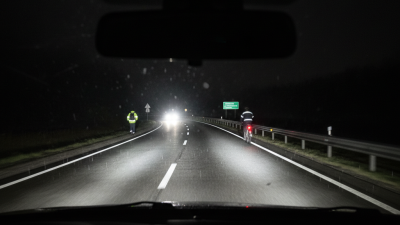
Matrix LED headlights remain a strong choice for modern driving. They use multiple independently controlled light segments. Each segment can dim or switch off around nearby vehicles. This keeps more of the road brightly visible without directing full glare toward oncoming drivers. In rain, the beam pattern can also reduce reflections from wet pavement. The result feels calmer on dark rural roads.

Laser headlights offer a different advantage. Their concentrated light can extend visibility beyond conventional systems. However, laser units usually work with LEDs and adaptive optics. They are not simple high-power lamps. A camera tracks traffic, while software adjusts the beam in real time. That extra reach helps reveal bends, signs, and hazards earlier. Small delays can still occur.

The technology is impressive, but it is not flawless. A dirty camera area may weaken automatic beam control. Incorrect alignment can also reduce safety and increase glare. Professional calibration matters after suspension or windshield work. Drivers should check local lighting rules before replacing factory equipment. Repair costs may be higher, especially when cooling systems or control modules fail. Matrix LED offers balanced everyday performance, while laser lighting suits drivers who value maximum forward visibility. In practice, the best system depends on road use, weather, maintenance quality, and careful testing.

How Car Headlight Types Compare in Performance and Cost

What Are the Top Car Headlight Types in 2026?

How Car Headlight Types Compare in Performance and Cost

Halogen headlights remain the lowest-cost option for many older vehicles. Their warm beam is familiar, and replacement bulbs are widely available. However, they use more electricity and produce less usable light than newer systems. A replacement is often simple, but heat can discolor an aging lens. I have seen this detail overlooked during routine inspections. It matters at night.

LED headlights offer brighter illumination, lower energy use, and longer service life. Their sharp beam can reveal road edges, signs, and cyclists more clearly. Factory LED units usually cost more to replace, especially when the driver module is integrated. A single failed component may require a complete housing. That feels wasteful. Adaptive LED or matrix systems can reduce glare by dimming selected sections around oncoming traffic. Their performance is impressive, yet repairs and calibration demand trained equipment.

HID systems can produce strong distance lighting, though their warm-up time is noticeable. They also require high-voltage components and may become expensive with age. Laser-assisted systems reach farther in carefully controlled designs, but they remain costly and less common. Real-world value depends on beam alignment, lens condition, weather, and driving speed. Even the best lamp performs poorly when aimed too high. Cost estimates should include installation, calibration, and future module replacement, not just the bulb.

How to Choose the Right Headlights for Your Vehicle

What Are the Top Car Headlight Types in 2026?

Choosing the right headlight starts with your driving environment, not the newest label. Halogen bulbs remain affordable and easy to replace, but they produce warmer, weaker light. LED systems offer efficient output, sharp beam control, and longer service life. The U.S. Department of Energy’s 2023 LED Lighting Factsheet reports that LEDs use at least 75% less energy and can last up to 25 times longer than incandescent lighting. Automotive results still depend on housing design.

HID headlights can deliver strong distance lighting, although their warm-up time and replacement complexity may matter. Adaptive matrix systems adjust individual light zones around traffic. They can improve visibility, but calibration is critical. The Insurance Institute for Highway Safety’s headlight evaluations show wide performance differences between vehicles using similar headlight categories. The label alone proves little. Check the actual test pattern.

Inspect beam height, cutoff sharpness, color temperature, and road coverage before buying. AAA’s headlight testing found that LED and HID systems can illuminate farther than basic halogen units, yet glare may increase when aim is poor. Glare changes everything. Choose a vehicle-compatible assembly with documented compliance and professional installation support. My own mistake was judging brightness in a parking lot. A brighter beam is not automatically safer. Test it on a dark road, with rain if possible, and ask whether oncoming drivers remain comfortable.

What Are the Top Car Headlight Types in 2026? – How to Choose the Right Headlights for Your Vehicle

Headlight Type Light Source Typical Color Temperature Typical Service Life Energy Efficiency Warm-Up Time Main Advantages Main Limitations Best Suited For
Halogen Tungsten filament in a halogen gas capsule About 2,700–3,500 K Approximately 450–1,000 operating hours, depending on bulb type and use Low; much of the electrical energy becomes heat Immediate Low purchase cost, simple replacement, broad vehicle compatibility, and predictable performance Shorter life, higher power consumption, lower brightness, and more heat than newer technologies Older vehicles, budget repairs, and drivers who want the simplest replacement option
HID / Xenon Electric arc in a pressurized gas-discharge capsule About 4,000–6,000 K Approximately 2,000–3,000 operating hours Higher than halogen, but generally below modern LED systems Requires several seconds to reach full brightness Strong illumination, good long-range performance, and a relatively long service life Needs ballast components, can be costly to replace, and may produce glare if incorrectly retrofitted or aimed Vehicles originally designed for HID systems and drivers who prefer strong roadway illumination
LED Light-emitting diodes with electronic drivers About 4,000–6,500 K, depending on design Often approximately 15,000–30,000 operating hours; heat management strongly affects life High; produces substantial light with relatively low electrical power Immediate Low power consumption, compact packaging, long life, precise beam control, and flexible styling Higher initial cost, heat-sensitive electronics, and limited compatibility with some halogen housings Most modern vehicles and drivers seeking a balanced combination of efficiency, visibility, and durability
Matrix LED / Adaptive LED Multiple individually controlled LED segments About 4,500–6,500 K Typically similar to other integrated LED assemblies; individual modules may not be separately replaceable High, with power adjusted according to the active lighting pattern Immediate Can maintain high-beam coverage while selectively shading other road users; supports cornering and automatic beam adjustment Expensive assemblies, complex sensors and software, and feature availability varies by vehicle and market Newer vehicles, frequent night drivers, and roads where adaptive high-beam control is legally permitted
Laser-Assisted Laser diodes used with phosphor conversion and usually combined with LED lighting Usually appears as a cool white output around 5,500–6,500 K Varies by integrated system; complete headlamp assemblies are generally not designed for simple bulb replacement Very high optical intensity from a small package, but system efficiency depends on cooling and control electronics Immediate when electronically controlled Long potential reach, compact optical hardware, and useful high-beam performance High cost, limited availability, complex safety controls, and restricted use in some jurisdictions Specialized premium lighting systems rather than general-purpose replacement upgrades
Selection guidance: Check the vehicle owner's manual, bulb designation, connector, housing design, cooling requirements, beam pattern, and local regulations before replacing or upgrading headlights. A higher color temperature does not automatically provide better visibility, and an LED or HID bulb installed in a housing designed for another technology can create glare and an unsafe beam pattern.

Start typing and press Enter to search