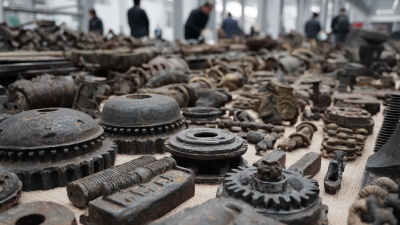
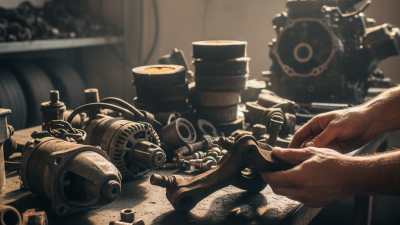
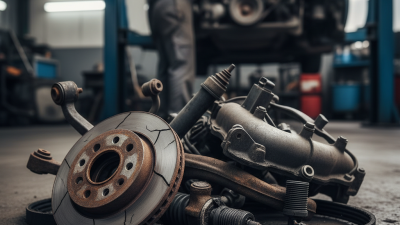
Identifying and sourcing quality junk parts is essential for many industries. Whether in automotive repair or electronics recycling, these components often hold significant value. However, the challenge lies in distinguishing between usable parts and those that are truly junk.
One key factor is experience. Knowing which signs to look for can save time and money. Too often, buyers rely on appearances. That's a mistake. Internal quality and durability matter more than just looks. Researching reliable sources also helps. Established suppliers are usually a safer option.
Engaging with professionals in the field can enhance your understanding. Many share insights on sourcing quality junk parts. But not every part can meet your expectations. Mistakes will happen, and learning from them is part of the process. Stay open to feedback and continuously improve your sourcing strategies. This approach will refine your skills in navigating the complex world of junk parts.

Quality junk parts are often misunderstood. Many believe all junk parts are low-quality, but that's not the case. According to a report by the Automotive Recyclers Association, over 75% of recycled parts meet or exceed OEM standards. This statistic highlights a crucial distinction: not all junk parts are inferior.
Identifying quality junk parts requires careful assessment. Look for parts with rigorous testing and certification processes. These components will often have proper documentation. A study from the Institute of Scrap Recycling Industries notes that salvaged parts can reduce costs by 30% while maintaining performance. Each part must be evaluated for wear, function, and compatibility to ensure reliability.
Sourcing quality junk parts can be challenging. Often, suppliers may not provide complete information on their inventory. A lack of transparency can lead to poor purchasing decisions. Building relationships with reputable suppliers can aid in this process. Seek out those who prioritize quality assurance. Understanding the criteria for quality junk parts will guide better sourcing decisions. This knowledge fosters confidence in the choices being made.
When sourcing junk parts, it’s vital to recognize key characteristics that signify reliability. One hallmark is the visible condition of the part. Scratches, dents, and rust can indicate neglect. On the other hand, minor wear might be acceptable. Check the component's age. Older parts may not meet current standards. Always ask for maintenance records. This transparency builds trust.
Another significant feature is compatibility. Verify whether the part fits specific applications and meets intended specifications. A part that superficially seems similar might not function correctly. Look for signs of previous use that indicate it still has a functional lifespan. Test it if possible to ensure effectiveness.
Trustworthiness also stems from the seller's reputation. Seek reviews or testimonials to gauge reliability. Be cautious of deals that seem too good to be true. They often come with hidden issues. Quality parts may come at a premium. Investing wisely can save costs in the long run. Balancing your needs against these characteristics will lead to more satisfactory purchases in the junk parts market.
When sourcing quality junk parts, it's essential to have a strategic approach. Start by examining the condition of each part. Look for items that show minimal wear and tear. Inspect for rust, cracks, or damage. Every detail counts; even small imperfections can affect functionality. Build a checklist to assess these factors effectively.
Building relationships with reputable suppliers can be invaluable. Attend local salvage yards or junk dealers. Knowledgeable staff can offer insights into the best quality parts available. Always ask for their recommendations based on your specific needs. Networking can lead to discovering hidden gems in unexpected places.
Documenting your sourcing experiences is crucial. Track which suppliers consistently provide quality parts. However, not every transaction will meet your expectations. Learning from these experiences can improve future sourcing efforts. Keep a record of what works and what doesn't, and adapt your strategy accordingly. This reflective practice enhances reliability and helps refine your sourcing methods.
Identifying quality junk parts hinges on evaluating suppliers effectively. Quality assurance is critical in this sector. A recent survey from Industry Weekly reported that 45% of businesses encountered issues with subpar parts. Such incidents highlight the need for rigorous supplier assessment.
Start by analyzing supplier certifications. The presence of ISO 9001 certification indicates adherence to quality management standards. However, certification alone isn’t enough. A comprehensive evaluation should include supplier feedback from previous clients. Engaging in conversations with other companies can reveal insights into reliability and performance.
Additionally, suppliers should demonstrate traceability of their parts. According to a report by Manufacturing Insights, 68% of quality failures can be traced back to poor sourcing practices. Suppliers must provide documentation and historical data on part performance. This will help in understanding their production processes and reliability over time. Maintaining a critical perspective ensures that you do not overlook potential issues.
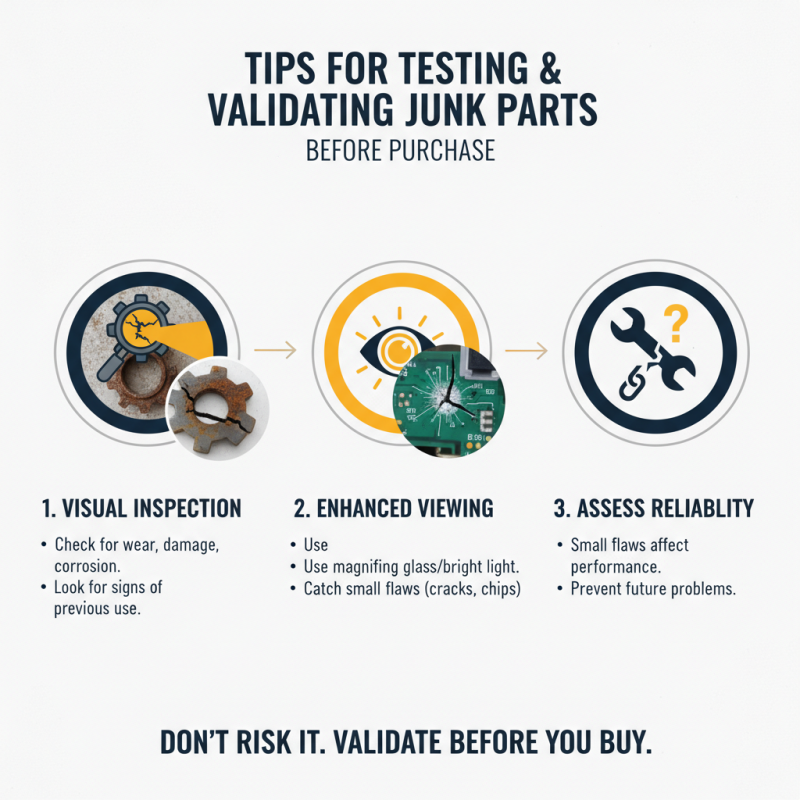
When sourcing junk parts, it’s crucial to test and validate their quality before making a purchase. One effective method is to visually inspect the parts for wear, damage, or corrosion. Look for any signs of previous use that might indicate unreliability. It’s important to use a magnifying glass or bright light to catch small flaws that could lead to problems later. Small cracks or chips might seem insignificant, but they can affect performance.
Another reliable approach is to request documentation related to the parts. This can include test reports or performance history from previous users. An absence of this information may indicate poor quality, raising red flags. Additionally, consider conducting a bench test. This involves running the parts in a controlled environment to evaluate their functionality. Make sure to review the results closely. Any inconsistencies should prompt further investigation.
Don’t forget to reach out to forums or communities that focus on junk parts. People often share their experiences and can provide insights that might be valuable. While personal anecdotes are helpful, keep in mind they can be biased. Always weigh such information against your own findings. This will help in forming a well-rounded view of the parts in question.
Logel’s Auto Parts
116 Bridge St East
Kitchener, Ontario
N2K 1J6
Phone: 519-745-4751
Toll Free: 1-800-818-9118
Hours 8:00-5:00 Monday to Friday
At Logel’s Auto Parts, we serve a range of communities in Southern Ontario, including:
Sign up today for the latest updates from the Logel’s Auto Parts team, including pricing for scrap vehicles, our newest product lines, current operating hours, and much more.