10 Best Automotive Recycling Companies for Global Buyers

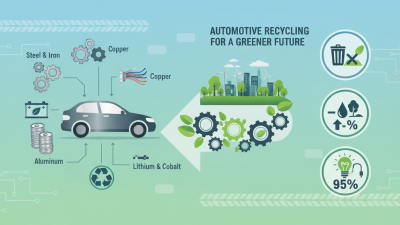
Automotive recycling has become a strategic part of the vehicle supply chain. It helps recover steel, aluminum, copper, plastics, and reusable components from end-of-life vehicles. The scale is substantial. The European Commission estimates that around six million vehicles reach end of life in the European Union each year. Its End-of-Life Vehicles Directive sets targets of 85% reuse and recycling, and 95% reuse and recovery, by vehicle weight. These figures show why buyers need more than a low price. They need reliable material grading, traceable processes, and consistent supply.

But standards and capabilities vary. The Automotive Recyclers Association reports that its U.S. members recycle more than four million vehicles annually, illustrating the role of organized dismantlers in recovering parts and materials. For global buyers, a capable partner may offer inspected engines, tested alternators, sorted metals, or documented export handling. Details matter. A clean parts label and a clear inventory system can prevent costly misunderstandings. This guide compares ten automotive recycling companies through practical buyer considerations, including product range, operating footprint, quality controls, and communication. It is not a guarantee that every supplier fits every market. The picture is not perfectly tidy: public data can be uneven, and company services change. Buyers should verify current certifications, specifications, and shipping terms directly before placing an order.
10 Best Automotive Recycling Companies for Global Buyers

Understanding Automotive Recycling and Its Role in Global Trade

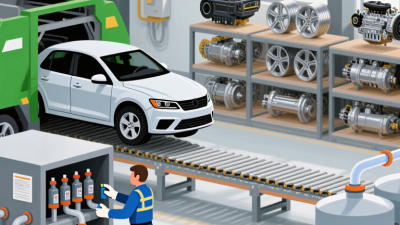
Automotive recycling turns end-of-life vehicles into a source of reusable parts and recovered materials. The work begins with careful inspection, not a shredder. Technicians identify components that can be tested, cleaned, and sold again, while fluids and hazardous components are handled separately. Steel, aluminum, copper, and selected plastics may then enter material recovery streams. Small details matter: a labeled crate of tested alternators is more useful to a buyer than an unverified mixed load.

Global trade connects dismantlers, processors, parts distributors, and manufacturers across regions. Buyers need consistent grading, clear photographs, accurate weights, and records showing how products were inspected. Shipment planning matters too; moisture, poor packing, or mixed specifications can reduce material value during transit. Not perfectly circular. Some parts have no reliable reuse market, and recycling technologies cannot recover every material cleanly. That gap deserves attention, rather than optimistic claims. Experienced suppliers can explain inspection limits, provide sample reports, and discuss how they manage rejected parts. For a global buyer, trust is built through repeatable quality checks and honest communication, not simply the promise of “green” materials. A delayed shipment or an unclear part history can undo much of the environmental benefit.

Automotive Recycling: EU End-of-Life Vehicle Targets

The European Union sets targets of at least 95% for reuse and recovery, and 85% for reuse and recycling, measured by average vehicle weight per year. These are regulatory targets—not company results or global recycling rates. Such standards help guide end-of-life vehicle processing and the recovery of materials that can re-enter supply chains.

Source: EU End-of-Life Vehicles Directive 2000/53/EC.

Criteria for Evaluating Automotive Recycling Companies

When evaluating automotive recycling companies, global buyers should look beyond price and available stock. Check how the supplier identifies, grades, and traces each vehicle or component. Clear records should connect a part to its source and describe its condition, testing status, and known defects. Details matter. Ask whether quoted recovery rates are supported by recent records, not estimates alone.

Reliable operations are visible in the process. Request sample inventory reports, dated photographs, and written inspection criteria before placing a large order. Ask how parts are cleaned, stored, and protected from moisture; a corroded connector can turn a low-cost purchase into a costly return. Review packaging standards, shipment timelines, and the documents supplied for cross-border delivery. Confirm that handling and shipping practices meet the rules that apply in both the exporting and importing locations. A polished website is not proof of consistent quality. Independent audits can help, but they may not capture every change in day-to-day practice.

Tips: Start with a small trial order. Compare received parts with the written grades and photos, then record damage, missing items, and delivery delays. No supplier is flawless; clear answers to complaints are a useful sign.

10 Best Automotive Recycling Companies for Global Buyers

Criteria for Evaluating Automotive Recycling Companies — A practical, evidence-based checklist for comparing suppliers. It does not rank or identify individual companies.

# Evaluation criterion What to verify Useful evidence Buyer assessment
1 Legal authorization Confirm that the facility holds the permits and registrations required for vehicle dismantling, waste handling, and material storage in its operating jurisdiction. Current permits, registration details, inspection records, and a clear explanation of which authority issued each approval. Check validity dates and confirm that the permitted activities cover the materials and processes involved in your purchase.
2 Environmental management Assess whether environmental risks are managed systematically, including spills, emissions, wastewater, and waste storage. ISO 14001 is a voluntary environmental management system standard, not a universal recycling permit. A current, independently verifiable ISO 14001 certificate, where held, or documented environmental procedures and audit results. Verify the certificate’s scope, site coverage, and validity; do not treat certification alone as proof of legal compliance.
3 End-of-life vehicle recovery performance Request recovery and recycling figures with a defined calculation method, reporting period, and denominator, such as vehicle weight processed. Mass-balance reports, third-party audit results, and records identifying reuse, recycling, recovery, and disposal destinations. For context, EU Directive 2000/53/EC sets targets of 85% reuse and recycling and 95% reuse and recovery by average vehicle weight per year, applicable from 2015. These are EU targets, not a universal company-level guarantee.
4 Depollution and fluid management Check that fuels, oils, coolant, brake fluid, and other regulated substances are identified, removed, stored, and transferred using procedures compliant with local law. Written depollution procedures, staff training records, storage controls, spill-response plans, and downstream waste-transfer documentation. Ask how fluids are segregated, how leaks are prevented, and which authorized handlers receive regulated waste.
5 Refrigerant recovery Confirm that vehicle air-conditioning refrigerants are recovered with appropriate equipment and handled under the rules that apply at the processing site. Equipment maintenance records, refrigerant handling logs, technician qualifications where required, and records of refrigerant transfer or disposal. Requirements vary by jurisdiction. In the United States, motor vehicle air-conditioning service is subject to Clean Air Act Section 609 requirements, including technician certification for covered work.
6 Battery and hazardous-material handling Evaluate safe removal, identification, storage, and shipment of lead-acid, lithium-ion, and other vehicle batteries, as well as any other regulated components. Battery-specific procedures, staff training, compatible storage arrangements, incident records, and shipment documentation where applicable. Check that the process accounts for battery chemistry and condition, especially damaged or potentially hazardous batteries, and follows applicable transport rules.
7 Airbag and pyrotechnic component safety Ask how airbags and other pyrotechnic components are identified, removed, stored, and transferred for lawful reuse or disposal. Written handling procedures, trained-person records, secure storage controls, and documentation from qualified downstream handlers. Confirm that components are not processed through unsuitable equipment and that local requirements for hazardous or explosive articles are followed.
8 Traceability and vehicle documentation Establish whether each vehicle and material batch can be traced from intake through dismantling and final destination. Vehicle intake records, inventory or batch identifiers, weight tickets, transfer notes, invoices, and destruction or deregistration documents where applicable. Ask which documents are legally available in the seller’s jurisdiction; certificates of destruction and deregistration processes differ by country.
9 Export and cross-border compliance Confirm the classification of vehicles, parts, and waste before shipment and identify who is responsible for export, import, and transit requirements. Written material descriptions, customs documents, permits or notifications where required, and confirmation of the receiving facility and destination. The Basel Convention controls certain transboundary movements of hazardous wastes. Whether a particular shipment is covered depends on its classification and applicable national rules.
10 Downstream destination and auditability Assess whether recovered parts and materials go to identifiable, appropriate downstream users or processors, and whether the seller can substantiate its claims. Supplier and processor records, material sales or transfer documents, audit reports, and explanations of how rejected or unrecoverable residues are managed. Request recent, representative records and check that reported destinations and quantities reconcile with the seller’s stated recovery figures.

Suggested comparison method: Score each criterion from 0 to 5 using the same evidence requirements for every supplier: 0 = no evidence provided; 1 = limited or unclear evidence; 3 = documented evidence available; 5 = current, independently verifiable evidence with clear site and process coverage. Treat legal compliance as a pass/fail requirement where applicable.

Profiles of Ten Leading Companies for Global Buyers

These ten anonymized profiles show how automotive recyclers can serve different global buyers. Names are omitted, and capabilities should be verified directly.

One company focuses on end-of-life vehicle dismantling, with labeled parts and inventory records. Another specializes in tested engines and transmissions, where inspection reports matter more than polished photographs. A third processes steel and aluminum into graded, baled material. A fourth separates copper-bearing components for industrial buyers. A fifth recovers reusable plastics, although color and polymer consistency can vary.

The remaining profiles cover tire processing, glass recovery, catalytic-component sorting, battery-material handling, and mixed automotive scrap preparation. Each operation has a different strength. Some offer steady volumes; others provide more detailed item-level traceability. Buyers should ask about monthly capacity, contamination limits, packing methods, and sample documentation before agreeing on a shipment. Details count.

A useful comparison is practical, not promotional. Check whether weights, material descriptions, and inspection records match across documents. Ask how rejected loads are handled, too. Even a capable supplier can have uneven batches or delayed updates; that is worth acknowledging. The best fit depends on the buyer’s specification, destination, and tolerance for variation, not on a broad claim of global reach.

Comparing Materials, Services, Certifications, and Export Capabilities

For global buyers, material descriptions need more than broad labels. Ask whether aluminum is separated by alloy and whether copper-bearing components are sorted before packing. A sample grade sheet, recent lot photographs, and a clear contamination limit can reveal how carefully a recycler works. Details matter. Mixed loads may look cheaper, but inconsistent composition can complicate processing at the destination.

Services also shape the real cost. Some recyclers provide dismantling, weighing, inspection, and export-ready packing; others sell materials at the yard gate. Confirm who handles moisture checks, palletization, and shipment updates. A container photo is useful, though it cannot replace an agreed inspection process. Small gaps happen. Buyers should decide in advance how shortages or off-grade material will be recorded and resolved.

Certifications can support confidence, but check their scope, issuing body, and current validity rather than relying on a logo. Ask whether the certificate covers the specific site and activity being offered. Export capability deserves the same scrutiny: request examples of packing lists, origin documents, and records showing how shipments are tracked. A capable exporter explains delays plainly and flags documentation needs early. Not every seller will be equally organized, and a polished website is not proof of reliable operations. A short trial order can expose weaknesses before larger purchases.

How to Select a Supplier and Manage International Purchases

Choosing an automotive recycling supplier requires more than comparing unit prices. Ask for recent inventory lists, grading rules, clear photographs, and traceable dismantling records. The European Commission reports targets of 85% reuse and recycling, and 95% recovery, by average vehicle weight under its end-of-life vehicle framework. These figures offer useful context, but they do not guarantee a supplier’s quality or apply everywhere. The IEA’s Global Critical Minerals Outlook 2024 also estimates recycling could reduce new mining needs for copper, lithium, nickel, and cobalt by 10–30% by 2040. That outlook concerns critical minerals, not every recycled vehicle part.

For international purchases, confirm the exact part number, condition, packaging method, shipment terms, and who handles export documents. Request a sample order before committing to a container. Check that invoices, packing lists, and declared goods descriptions match. A polished catalog can still hide inconsistent grading. Build in time for inspection and port delays; delivery estimates are not promises.

Tips: Compare landed cost, not just the quoted price. Ask for dated photos beside a measuring tape, written defect limits, and a claims window. Keep payment milestones tied to inspection evidence. I would still leave room for surprises: used parts can vary, even when the paperwork looks neat.

Start typing and press Enter to search