2026 Best Auto Recycling Equipment for Global Buyers

Choosing the right auto recycling equipment in 2026 requires more than comparing prices. Global buyers must examine recovery rates, safety systems, energy use, maintenance access, and local operating conditions. A compact depollution station may suit a small facility, while a high-volume processor needs stronger shredding, separation, and fluid recovery systems. The equipment must fit the workflow.

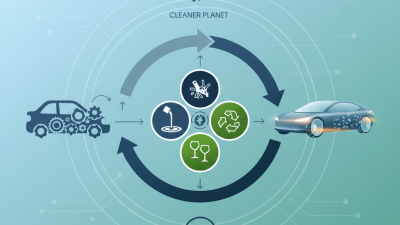
Will Flower, an experienced automotive recycling industry professional, has described recyclers as “the original green industry.” This idea remains practical. Every recovered engine, aluminum wheel, catalytic converter, and usable body panel can reduce demand for new resources. However, the benefit depends on controlled processes. Poor storage can cause leaks. Weak sorting can lower material value. Untrained operators can create avoidable risks.

Small details matter. Look for sealed fluid-drain systems, clearly marked containers, guarded cutting tools, and dust-control equipment. Ask suppliers for test data, service records, spare-parts availability, and operator training plans. Demonstrations are useful. Factory claims are not enough.

The best machine is not always the largest.

Buyers should also consider electricity reliability, climate, floor space, and technician skills. A sophisticated system may perform poorly without dependable maintenance. That is an uncomfortable point, but it deserves attention. Some purchasing decisions focus too heavily on output and ignore downtime. Others choose low-cost equipment that becomes expensive after one season.

This guide evaluates practical equipment categories for international buyers. It considers performance, compliance readiness, durability, and total ownership cost. The recommendations are useful, though not perfect. Conditions differ between markets, and every facility should confirm specifications with qualified local professionals before purchase.

2026 Best Auto Recycling Equipment for Global Buyers

Auto Recycling Equipment: Purpose, Scope, and Core Processing Stages

Auto recycling equipment supports the safe recovery of vehicles at the end of their service life. Its purpose extends beyond metal separation. It helps remove fluids, identify reusable parts, reduce waste, and prepare materials for regulated downstream processing. In 2026, global buyers should assess equipment against local environmental rules, worker-safety requirements, power standards, and available maintenance skills.

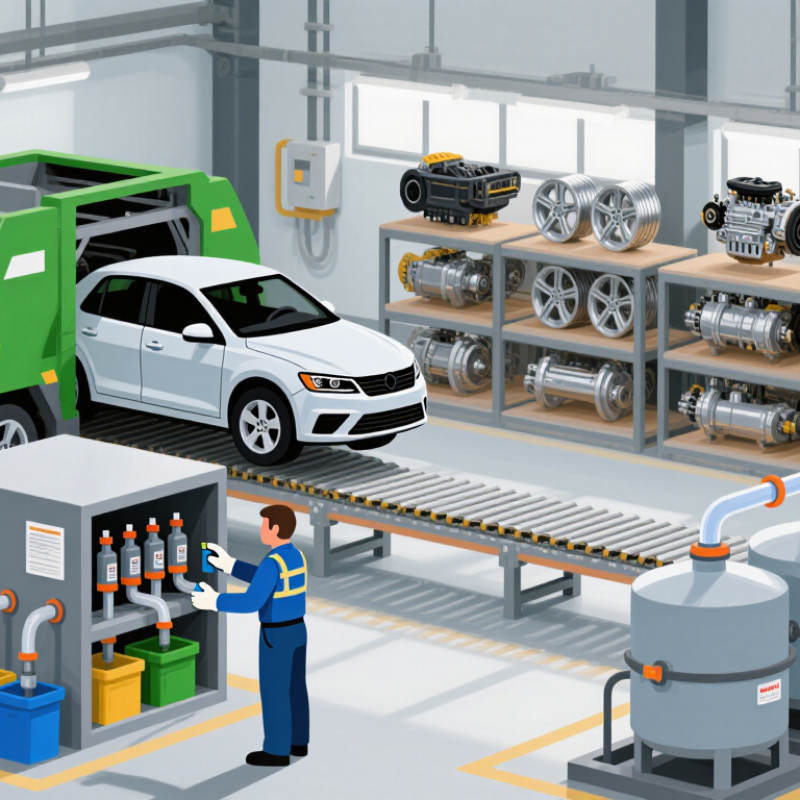
The processing scope usually begins with inspection and depollution. Technicians drain fuel, oil, coolant, refrigerant, and other fluids using sealed recovery tools. Batteries, tires, airbags, and hazardous components require controlled handling. Dismantling stations then separate engines, transmissions, glass, plastics, wiring, and reusable components. Fluid leaks are not minor problems. They can contaminate floors and damage trust.

Shredding and sorting follow after safe dismantling. Industrial shredders reduce metal volume, while magnetic, eddy-current, air, and sensor-based separators divide ferrous metals, nonferrous metals, plastics, and residual material. Conveyors need guards and emergency stops. Dust extraction also matters, especially in enclosed workshops. Equipment records should track recovered weights, maintenance dates, and rejected loads. This evidence strengthens audits and purchasing decisions. A common mistake is choosing maximum capacity without checking actual vehicle supply. That choice can increase idle time, energy use, and repair costs. Smaller, modular lines may perform better, although their throughput can disappoint during seasonal peaks. Real operating trials remain essential.

Key Equipment Categories for Vehicle Dismantling and Material Recovery

The 2026 auto recycling market needs equipment that supports safe dismantling and accurate material recovery. Vehicle lifts and dismantling platforms provide stable access to engines, transmissions, batteries, and interior parts. Depollution stations help operators remove fuel, oils, coolants, and refrigerants before further processing. Fluid recovery systems should include sealed containers, clear labeling, and spill control.

Material separation begins with conveyors, magnetic separators, eddy-current separators, and sorting tables. These systems help divide ferrous metals, aluminum, copper, plastics, and mixed residues. Balers reduce the volume of prepared metal and improve storage efficiency. For larger facilities, shredders and compactors can increase throughput, but they require careful maintenance, dust control, and trained operators. Weaker separation performance can still occur when vehicles contain heavy contamination or mixed materials.

Tips: Check local operating requirements before purchasing equipment. Match capacity with actual vehicle volume, not optimistic forecasts. Inspect safety guards, emergency stops, noise levels, and spare-part access. A simple weighing system also improves inventory accuracy. Keep maintenance records. Small errors become expensive.

Experienced buyers should assess the entire workflow, from vehicle reception to final material storage. Equipment compatibility matters more than impressive specifications. A powerful machine may create bottlenecks if conveyors, storage areas, or sorting staff cannot keep pace. Trial processing with representative vehicles is useful, although one test cannot reveal every seasonal problem. Reliable suppliers should provide technical documentation, training, and realistic performance data.

2026 Best Auto Recycling Equipment for Global Buyers - Key Equipment Categories for Vehicle Dismantling and Material Recovery

Comparison basis: The figures below are typical planning ranges for passenger vehicles and light commercial vehicles. Actual performance depends on vehicle mix, feed preparation, moisture, contamination, operator skill, local regulations, and equipment configuration.
Equipment Category Primary Recycling Function Typical Input or Vehicle Stage Typical Capacity Range Main Recovered Materials Typical Recovery or Separation Performance Key Selection Factors
Vehicle Depollution Station Safely removes hazardous fluids and pressurized components before dismantling or shredding. End-of-life vehicles before dismantling. 2–8 vehicles per hour per workstation. Engine oil, transmission fluid, coolant, brake fluid, fuel, refrigerant, and lead-acid batteries. Fluid collection efficiency commonly above 95% when vehicles are accessible and drained correctly. Containment, spill prevention, fluid identification, ventilation, battery handling, and compliance with hazardous-waste rules.
Vehicle Dismantling Lift Raises vehicles to improve access for parts removal, fluid drainage, and component inspection. Complete vehicles awaiting manual dismantling. 2.5–5.5 tonnes lifting capacity; 1–3 vehicles per hour depending on workflow. Reusable engines, transmissions, catalytic converters, wheels, alternators, starters, and body parts. Improves access and can reduce dismantling time by approximately 20–40% compared with floor-level work. Rated load, platform length, lifting height, locking system, floor requirements, service access, and operator safety.
Vehicle Parts Dismantling Tools Separates reusable components and prepares assemblies for resale or material processing. Depolluted vehicles, engines, axles, wheels, and interior assemblies. Manual or semi-automatic; approximately 5–20 major components per hour per operator. Ferrous parts, aluminum assemblies, copper wiring, electronics, plastics, wheels, and reusable components. High-value component yield depends mainly on vehicle condition and dismantling procedures rather than machine speed. Tool durability, hydraulic or pneumatic power, ergonomic design, interchangeable attachments, and spare-part availability.
Automotive Wire Stripper Removes insulation from selected copper and aluminum cables. Pre-sorted wiring harnesses and cable bundles. Approximately 20–150 kg per hour, depending on cable diameter and operator feeding. Bare copper, aluminum conductors, and plastic insulation. Copper purity commonly reaches 98–99% with properly sorted and clean cable. Acceptable cable diameter, blade adjustment, conductor type, safety guarding, and compatibility with mixed harnesses.
Cable Granulator and Air Separator Granulates insulated cables and separates metal conductors from plastic insulation. Pre-cut automotive cables and wiring harnesses. 50–500 kg per hour; common particle size is 2–5 mm. Copper or aluminum granules and plastic granules. Metal separation commonly reaches 97–99% under suitable feed conditions. Cable diameter range, dust collection, screen size, noise level, energy consumption, and ease of cleaning.
Vehicle Baler or Metal Baler Compacts prepared vehicle bodies and metal scrap to reduce storage and transportation volume. Depolluted and partially dismantled vehicle bodies. 5–20 vehicle bodies per hour; bale density often about 0.8–1.3 tonnes per cubic metre. Ferrous steel, cast iron, and selected non-ferrous metals. Volume reduction commonly 70–85%, depending on bale dimensions and feed preparation. Press force, chamber size, mobile or stationary layout, bale density, cycle time, and hydraulic maintenance.
Automotive Shredder Reduces vehicle bodies and bulky metal assemblies into smaller pieces for downstream separation. Prepared vehicle hulks, metal assemblies, and light mixed scrap. 10–80 tonnes per hour for small to medium installations; larger systems can exceed this range. Ferrous metals, non-ferrous metals, shredder residue, and some recyclable plastics. Particle size is commonly 50–300 mm before secondary processing; metal recovery depends on the complete sorting line. Motor power, rotor design, feed size, wear protection, noise control, dust suppression, and downstream separation capacity.
Magnetic Separator Removes ferrous metals from shredded vehicle material. Shredder discharge containing steel and mixed non-ferrous material. 5–100 tonnes per hour, depending on conveyor width and material density. Carbon steel, cast iron, and other magnetically responsive ferrous metals. Ferrous removal commonly exceeds 95% when material is suitably sized and evenly fed. Magnetic field strength, belt speed, suspension height, material layer thickness, and cleaning arrangement.
Eddy Current Separator Separates non-ferrous conductive metals from non-metallic shredder residue. Non-ferrous fraction after magnetic separation. 3–30 tonnes per hour, depending on belt width, particle size, and feed composition. Aluminum, copper, brass, and other non-ferrous conductive metals. Aluminum separation commonly reaches 85–95% with controlled particle sizing and feed distribution. Rotor speed, belt width, particle-size range, feed rate, splitter adjustment, and protection against ferrous contamination.
Air Classifier Uses controlled airflow to separate light materials from heavier particles. Automotive shredder residue after metal separation. 2–25 tonnes per hour, depending on system design and material density. Light plastics, textile fibers, foam, dust, and heavier mineral or metal particles. Light/heavy fraction separation typically ranges from 75–95% for properly prepared feed. Airflow control, dust filtration, fan efficiency, material moisture, particle-size distribution, and enclosure design.
Tire Shredder Cuts end-of-life tires into chips or shreds for material recovery and alternative fuel preparation. Passenger-car and light-truck tires with rims removed. 1–10 tonnes per hour; output size commonly 25–100 mm. Rubber, steel wire, and textile fiber. Steel wire can be separated at approximately 90–98% after suitable screening and magnetic separation. Tire diameter, cutting chamber, blade wear, motor torque, fire prevention, and downstream wire removal.
Glass Crusher and Separator Reduces vehicle glass and separates glass from attached plastic interlayers and contaminants. Windshields, side windows, and rear windows removed from vehicles. 0.5–5 tonnes per hour; typical glass output is 5–50 mm. Glass cullet, laminated plastic interlayer, and small metal contaminants. Glass recovery commonly reaches 80–95%, depending on laminated glass content and cleaning stages. Dust control, enclosed feeding, output size, laminated-glass handling, noise control, and contamination limits.
Plastic Granulator Size-reduces selected automotive plastic parts for sorting or recycling. Bumpers, dashboards, interior trim, battery cases, and other separated plastic parts. 100–1,000 kg per hour; particle size commonly 8–20 mm. Polypropylene, ABS, polyamide, polyethylene, and mixed automotive plastics. Size-reduction yield commonly exceeds 90%; polymer purity depends on prior sorting. Material compatibility, knife configuration, screen size, dust extraction, contamination control, and cooling system.
Oil Filter and Metal Component Crusher Drains and compacts used oil filters and selected small metal components. Used oil filters, small metal housings, and drained automotive components. 200–1,500 kg per hour; compression ratio commonly 3:1 to 5:1. Ferrous steel, residual lubricating oil, and filter media. Substantial volume reduction; recovered oil requires separate filtration or regulated disposal. Leak-proof collection, pressing force, hazardous-fluid containment, cycle time, and local waste-handling requirements.
Battery Handling and Discharge Equipment Stores, isolates, discharges, and prepares conventional and high-voltage vehicle batteries for authorized recycling. Lead-acid batteries and traction batteries removed during vehicle dismantling. Manual or semi-automatic; approximately 10–60 battery units per hour depending on battery type. Lead, lithium-bearing battery materials, nickel, cobalt, copper, aluminum, plastics, and electrolyte. Safe isolation and collection performance depends on battery chemistry, state of charge, and approved operating procedures. Voltage range, fire protection, insulated tools, thermal monitoring, secure storage, emergency response, and regulatory compliance.
Conveyor and Sorting Line Transfers, meters, and organizes material between dismantling, shredding, and separation stages. Vehicle parts, shredded scrap, plastics, cables, and mixed recovered materials. 5–100 tonnes per hour; belt widths commonly 500–1,500 mm. Separated ferrous metals, non-ferrous metals, plastics, rubber, glass, and residue fractions. Stable feed rate can improve downstream separation consistency by approximately 10–25% compared with irregular feeding. Belt speed, incline, load rating, transfer-point dust control, access for maintenance, modularity, and emergency stops.
Planning note: A complete vehicle recycling system normally combines depollution, manual dismantling, size reduction, magnetic separation, non-ferrous separation, screening, air classification, and dust-control equipment. Battery, refrigerant, oil, and other hazardous materials should be handled only under applicable local laws and approved safety procedures.

How to Evaluate Capacity, Automation, Safety, and Operating Costs

2026 Best Auto Recycling Equipment for Global Buyers

Capacity should match your real feedstock, not an impressive brochure number. Measure vehicle types, daily volume, labor availability, and peak-season demand. A system rated for 15 tons per hour may perform differently with mixed vehicles, wet materials, or frequent inspections. Ask for tested throughput data, recovery rates, and maintenance intervals. Automation can reduce repetitive labor, but it cannot replace trained supervision. Controls should show alarms, energy use, and production trends clearly. Simple interfaces often prevent costly mistakes.

Safety deserves practical testing. Check guarding, emergency stops, dust control, noise levels, and access for cleaning. Operators should reach service points without climbing over unstable materials. Request training records, risk assessments, and clear operating procedures. Operating cost includes electricity, wear parts, labor, downtime, and disposal fees. A cheaper machine may consume more power or require specialized technicians. That matters. In field evaluations, buyers often underestimate installation space and spare-part delivery times. I have seen excellent equipment lose value because maintenance planning was weak. That lesson is easy to ignore.

Tips: Visit a working facility when possible. Watch one complete shift, not only a demonstration. Compare measured output under similar materials. Require transparent warranty terms and local technical support. Leave room for future capacity, but avoid buying automation you cannot maintain. Review every assumption with an experienced operator.

Best Equipment Choices for Different Auto Recycling Facility Types

2026 Best Auto Recycling Equipment for Global Buyers

Small dismantling facilities need flexible equipment with a modest footprint. A mobile vehicle lift, fluid-drain station, battery storage cabinet, and compact baler can support daily work. Choose adjustable tools when vehicle sizes vary. Clear floor markings also improve safer movement and inspection accuracy.

Medium facilities benefit from hydraulic depollution systems, parts-cleaning units, tire changers, and organized racking. High-volume recycling plants usually require conveyor systems, industrial shredders, magnetic separators, and automated sorting equipment. Dust control, noise reduction, emergency stops, and routine maintenance must be planned with production capacity. One layout does not fit every yard. The cheapest setup may create expensive bottlenecks later.

Tips: Measure vehicle intake, floor space, power supply, and operator skills before buying. Request service documentation, safety instructions, and spare-part availability. Test equipment with representative vehicles when possible. Keep drainage areas sealed and inspect hoses regularly. Small oversights matter. Local environmental requirements can also affect storage, processing, and waste-handling choices. A practical equipment plan should leave room for future upgrades, although predicting growth is not always easy.

Global Purchasing Factors: Compliance, Shipping, Installation, and Support

2026 Best Auto Recycling Equipment for Global Buyers

Global purchasing starts with compliance, not machinery size. Buyers should verify local permits, environmental rules, and workplace safety requirements before requesting quotations. Equipment must support controlled fluid drainage, refrigerant recovery, battery handling, and safe material separation. Ask suppliers for test reports, operating manuals, electrical specifications, and documented safety procedures. These records make customs checks and site inspections easier.

Shipping details can change the real project cost. Confirm crate dimensions, gross weight, port requirements, and unloading equipment early. A machine may fit the workshop, but not the loading door. Installation also needs careful planning. Check foundation strength, power supply, ventilation, drainage, and operator clearance. Remote guidance may help, although complex systems often require trained technicians on site. One overlooked cable or incorrect voltage can delay production for days.

Tips: Request a video showing the equipment running with similar materials. Confirm spare-part availability, response times, warranty limits, and training hours in writing. Ask whether software updates work in your region. Do not rely only on attractive capacity figures. Actual output depends on vehicle condition, operator skill, maintenance, and local material flow. A common mistake is choosing the fastest machine first. A slower, serviceable system may perform better when technical support is limited. Recheck every assumption before payment.

Start typing and press Enter to search