China Top Auto Recycling Parts Suppliers for Global Buyers
Global buyers increasingly look to China for reliable auto recycling parts, competitive pricing, and broad vehicle coverage. China’s supplier network includes dismantlers, remanufacturers, testing centers, and export specialists. Together, they support passenger cars, commercial vehicles, and older models that need practical replacement solutions.
A dependable supplier should provide clear part numbers, vehicle compatibility details, condition grades, and inspection records. Photos should show connectors, mounting points, labels, and visible wear. Experienced buyers also check packaging quality, warehouse organization, and response times. These details reveal more than a polished product catalog. They also help reduce incorrect orders and unexpected returns.
Compliance matters throughout the sourcing process. Responsible companies follow applicable environmental, customs, product safety, and transport requirements. They should explain testing methods, material sources, warranty terms, and documentation practices. Some suppliers offer serial-number tracking or batch records. That evidence supports better purchasing decisions. It also strengthens long-term cooperation.
Still, no supplier is perfect. A detailed website cannot replace direct verification. Product descriptions may vary between sellers. Condition grading can also be interpreted differently. Buyers should request samples, confirm specifications, and review inspection procedures before placing larger orders. Small gaps in communication can become expensive problems.
This guide introduces leading Chinese suppliers for global buyers. It examines their product range, quality controls, export experience, and service capabilities. The goal is practical comparison, not exaggerated promotion. With careful checks and realistic expectations, buyers can find auto recycling parts that balance value, performance, traceability, and responsible sourcing.
Understanding China’s Auto Recycling Parts Industry
China’s auto recycling parts industry has developed into a large, specialized supply network. It connects licensed dismantling centers, parts processors, inspection teams, and export warehouses. For global buyers, the real advantage is product variety. Engines, transmissions, steering components, body panels, lighting units, and electronic modules may come from many vehicle types.
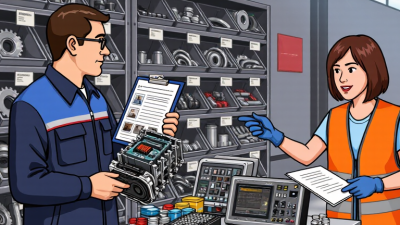
Reliable suppliers usually document each part’s source and condition. A dismantled engine should carry identification details, mileage information when available, and test records. Visible wear must be photographed before shipment. For electronic parts, functional testing is especially important. A clean appearance means little if a control module fails after installation. Ask for compression results, pressure checks, diagnostic reports, or measured dimensions where relevant.
Warehouse practice also matters. Parts should be drained, cleaned, labeled, and packed against moisture and impact. Experienced suppliers separate tested, repairable, and untested inventory. This distinction protects buyers from confusing low-cost stock with ready-to-install components. However, no inspection system is flawless. Records can contain missing mileage, unclear damage notes, or inconsistent grading. That is why sample orders and independent verification remain useful.
Buyers should confirm export documents, customs requirements, safety rules, and destination-country restrictions before payment. Suppliers with trained technicians can explain compatibility without making unrealistic promises. Good communication is practical: clear photos, accurate measurements, and honest defect reports. Lower prices may attract attention, but traceability and repeatable testing usually determine long-term value.
Key Types of Recycled Auto Parts Available for Global Buyers
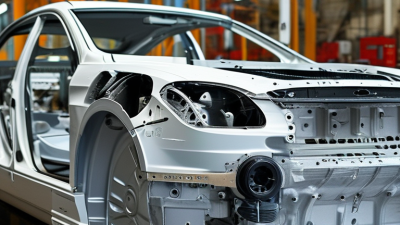
For global buyers, recycled auto parts usually fall into four practical groups: powertrain, electrical, body, and interior components. Engines and transmissions can reduce replacement costs, but buyers should request mileage records, compression results, fluid checks, and warranty terms. Alternators, starters, sensors, and control modules need bench testing. Body panels, doors, mirrors, lamps, wheels, seats, and dashboards are often easier to inspect visually.
The U.S. Environmental Protection Agency reports that approximately 12 million vehicles are recycled annually in the United States. This creates a substantial supply of tested engines, gearboxes, suspension assemblies, and reusable body parts. The European Commission’s End-of-Life Vehicles framework sets targets of 85% reuse and recycling, and 95% recovery by weight. These figures show the industry’s scale, but data is not perfectly comparable between regions.
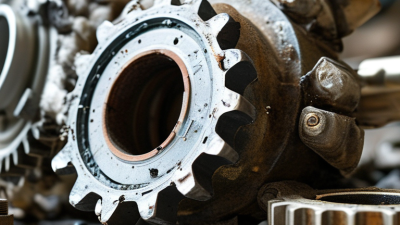
Reliable suppliers document part numbers, vehicle compatibility, inspection dates, and corrosion levels. They also separate tested, refurbished, and untested inventory. Safety-related parts require extra caution. A used steering component may look clean but still contain hidden wear. That matters.
Buyers should ask for clear photographs, serial numbers, test reports, and return conditions. Packaging is practical evidence of supplier experience: reinforced corners protect lamps, while sealed wrapping limits moisture damage. Some catalog descriptions remain incomplete. That weakness deserves attention before payment.
How to Identify Reliable Chinese Auto Recycling Suppliers
China’s large vehicle market creates a deep source of recycled auto parts. The China Association of Automobile Manufacturers reported 30.09 million vehicle sales in 2023. However, volume does not prove supplier reliability. Buyers should request business registration, warehouse photos, inventory records, and traceable part numbers. A serious supplier can show where each component came from and how it was tested.
Check grading methods, not only catalog prices. Ask for mileage records, defect photographs, inspection sheets, and cold-start videos for engines. Electrical parts need voltage and function tests. Structural parts require careful damage checks. The European Commission’s End-of-Life Vehicles Directive targets 85% reuse and recycling by vehicle weight. This highlights the value of documented material handling. Still, paperwork can be incomplete. I have found that clear questions reveal more than polished websites. Warranty terms should state coverage, claim evidence, response time, and return responsibilities.
Tips: Begin with a small trial order. Compare the delivered condition with the inspection report. Use independent pre-shipment inspection when order value is high. Check whether packaging protects sensors, glass, and painted panels. Confirm export documents before payment. Do not accept “tested” without a defined test procedure. A reliable supplier welcomes technical questions, admits uncertain grades, and updates records when mistakes appear.
How to Identify Reliable Chinese Auto Recycling Suppliers
This 100-point due-diligence framework helps global buyers compare auto recycling suppliers. The highest priorities are legal qualification, traceable parts information, product testing, export documentation, and after-sales protection. The scores represent recommended procurement weights, not a ranking of individual companies or brands.
Sourcing and Importing Recycled Auto Parts from China
Sourcing recycled auto parts from China requires more than comparing unit prices. China’s automotive market reached 31.44 million vehicle sales in 2024, according to the China Association of Automobile Manufacturers. This large vehicle base supports a deep supply of dismantled engines, transmissions, body panels, lighting units, and electronic modules. Global buyers should request clear part numbers, mileage records, grading standards, and test videos before placing an order.
The 2024 UNEP Global Resources Outlook warns that global resource extraction may rise by 60% by 2060 without stronger circular practices. Recycled parts can reduce material demand, but quality control remains essential. Ask suppliers for dismantling licenses, inventory photos, compression-test results, and traceable inspection records.
Independent pre-shipment checks can verify dimensions, corrosion, noise, and electrical performance. Small details matter.
Import planning needs equal attention. Confirm the correct HS code with a qualified customs broker. Check destination rules for used safety components, batteries, airbags, and electronic waste. Use moisture-resistant wrapping and shock protection for long sea routes. A detailed commercial invoice should match the packing list exactly. This sounds basic.
The World Bank’s 2023 Logistics Performance Index shows that customs efficiency and shipment reliability vary widely across markets. Buyers should compare FOB, CIF, and DDP quotations carefully, since low prices may exclude inspection, port handling, or duties. One practical weakness remains: supplier photographs can look convincing while hidden wear stays invisible. Start with a small trial shipment, record failure rates, and revise the purchasing checklist after every order.