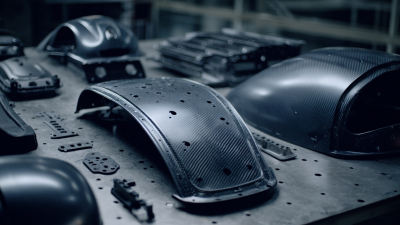
What is Automotive Body Parts and Why Are They Essential?
Automotive body parts are a critical component of vehicle safety and performance. These parts include panels, bumpers, and frames that protect passengers and enhance structural integrity. According to John Smith, an automotive engineer with over 20 years of experience, "The durability of automotive body parts directly impacts vehicle safety." His insights highlight their importance.
When a vehicle undergoes an accident, the condition of its body parts often determines the outcome. Quality materials can absorb impacts, reducing injury risks. Conversely, subpar components can lead to severe damage and safety failures. This poses questions about industry standards and quality control.
In the modern automotive landscape, manufacturers face the challenge of balancing cost and part quality. Each decision affects more than just the bottom line; it impacts the lives of drivers and passengers. As the industry evolves, maintaining high standards in automotive body parts is a continual struggle. Reflecting on these aspects can lead to improvements and innovations essential for the future.

Definition of Automotive Body Parts and Their Types
Automotive body parts are crucial components of vehicles. They provide structural integrity and aesthetics. These parts include chassis, body panels, bumpers, doors, and roofs. Each plays a unique role in functionality and safety. The chassis supports the vehicle's weight, while body panels protect internal mechanisms and enhance design.
Different types of body parts serve specific purposes. Doors allow entry and exit. Bumpers absorb impacts during collisions, reducing damage. Roofs can be fixed or convertible, contributing to the vehicle's overall look. While advancements in materials have improved durability, many parts can still be prone to wear or damage. Monitoring their condition is essential for maintenance.
Understanding automotive body parts aids in vehicle care and repair. Many owners overlook minor damages, thinking they are not significant. However, neglect can lead to bigger issues down the line. Regular inspections can prevent costly repairs later. Appreciating these components fosters better vehicle stewardship.
The Role of Automotive Body Parts in Vehicle Functionality
Automotive body parts are vital components of any vehicle, directly impacting its functionality and safety. These parts include panels, frames, and bumpers, which provide structural integrity. The body holds various systems together, protecting them from external elements. Without a well-designed body, the vehicle's performance would suffer significantly.
Consider the role of aerodynamics in body design. A streamlined body can enhance fuel efficiency. Conversely, poorly designed parts can increase drag, leading to higher fuel consumption. While it’s easy to overlook them, these components require regular inspection. Wear and tear might not be visible but can cause long-term issues.
Tips for maintenance: Check for dents or rust regularly. Even small blemishes can lead to bigger problems. Use protective coatings to guard against corrosion. Finally, ensure all body parts fit correctly. Misalignment can affect handling and safety. By being proactive, you reinforce the reliability and performance of your vehicle. Remember, a vehicle is only as strong as its weakest part.
Importance of Automotive Body Parts in Vehicle Functionality
Impact of Automotive Body Parts on Safety and Performance
Automotive body parts play a critical role in vehicle safety and performance. These components are designed to bear the structural load of the car. They include panels, bumpers, and frames. Each part contributes to the car’s ability to protect passengers during an accident. A well-constructed body can absorb impacts and minimize injury.
Using quality materials in body parts can enhance durability. But not all automobile bodies are made equal. Some cheaper options may fail under stress. Additionally, lightweight materials can improve fuel efficiency while maintaining safety standards.
**Tip:** Regularly inspect your vehicle’s body parts. Look for signs of wear and damage. Small issues can escalate into bigger problems if ignored.
The connection between body parts and performance is significant. A sturdy frame allows for better handling and control. Moreover, a well-designed aerodynamic shape can improve speed and fuel consumption. However, some cars compromise design for aesthetics.
**Tip:** Consider both safety and style when choosing body parts. The right balance can lead to a satisfying driving experience. Keep in mind that long-term performance should outweigh momentary visual appeal.
Materials Used in Automotive Body Parts and Their Importance
Automotive body parts are made from various materials, each chosen for specific properties.
Steel is a common choice due to its strength and durability. It can withstand impacts well.
However, it is heavier than other options, affecting fuel efficiency.
Aluminum is lighter and resistant to corrosion. This makes it an excellent choice for reducing overall vehicle weight. Yet, it can be more expensive to process.
Plastic also plays a significant role. Manufacturers often use it for bumpers and interior panels.
It is lightweight and can be molded into complex shapes. The downside is that plastic may not perform well in extreme temperatures.
This can lead to cracks or degradation over time.
Composite materials are gaining popularity. They offer a blend of lightweight and strength, ideal for high-performance vehicles.
However, they can be difficult to repair. The balance between cost-effectiveness and performance is still a challenge for many manufacturers.
Exploring these materials helps enhance vehicle safety and efficiency.
Understanding their respective advantages and limitations is crucial in today's automotive landscape.
Trends and Innovations in Automotive Body Parts Manufacturing
The automotive body parts manufacturing industry has seen significant trends and innovations recently. Traditional metal components are increasingly being replaced by lightweight materials. Engineers now use advanced composites and plastics for their strength and reduced weight. This shift enhances fuel efficiency and performance in vehicles. Specifically, materials like carbon fiber offer impressive durability with a fraction of the weight.
Additionally, 3D printing technology is shaping the future of body parts. This innovation allows for rapid prototyping and customization. Manufacturers can create complex designs that were once impossible. However, this isn't without challenges. The durability of 3D-printed parts varies, and quality control remains a concern. Testing is crucial to ensure these components can withstand real-world conditions.
Sustainability is another focal point in manufacturing practices. Many companies are now exploring recycling options for body parts. This approach reduces waste and lowers production costs. Yet, it requires careful consideration of material compatibility. As trends evolve, the industry must constantly adapt, balancing innovation with reliability and safety.