In the competitive realm of global automotive body parts, experts like Dr. Lisa Chen, an industry consultant, emphasize the importance of quality and innovation. "The future of automotive body parts lies in sustainable materials and precise engineering," she states. This insight reflects the evolving landscape of automotive manufacturing.
Chinese manufacturers are stepping up, providing a diverse range of body parts that cater to international standards. The rise of electric and hybrid vehicles has further influenced this market. Brands are seeking lightweight, durable options that enhance performance. Given these trends, global buyers must remain vigilant when sourcing automotive body parts.
Challenges in quality assurance and supply chain logistics are common. Buyers often struggle to find reliable suppliers who meet their specifications. Moreover, the rapid pace of technology can lead to discrepancies in parts compatibility. Addressing these issues is crucial for maintaining performance and safety standards in the automotive industry. The journey to find the top automotive body parts is not straightforward, but awareness and informed choices can pave the way for success.

In the ever-evolving world of automotive manufacturing, certain body parts stand out as essential components. These parts are vital for vehicle safety, performance, and aesthetics. Understanding their importance in the global market is critical for buyers.
For instance, the vehicle chassis serves as the backbone. It supports various systems, affecting overall stability. Meanwhile, body panels, like fenders and doors, are crucial for protection and style. Every slight imperfection in these panels can lead to safety issues. Buyers must consider the quality and durability when choosing from suppliers.
In addition, headlights and taillights represent both functionality and design. Proper lighting is non-negotiable for safety. However, ensuring compliance with local regulations can be challenging. This aspect requires diligent research and communication with suppliers. Each component contributes to a vehicle's reliability and appearance. Recognizing these factors assists global buyers in making informed choices.
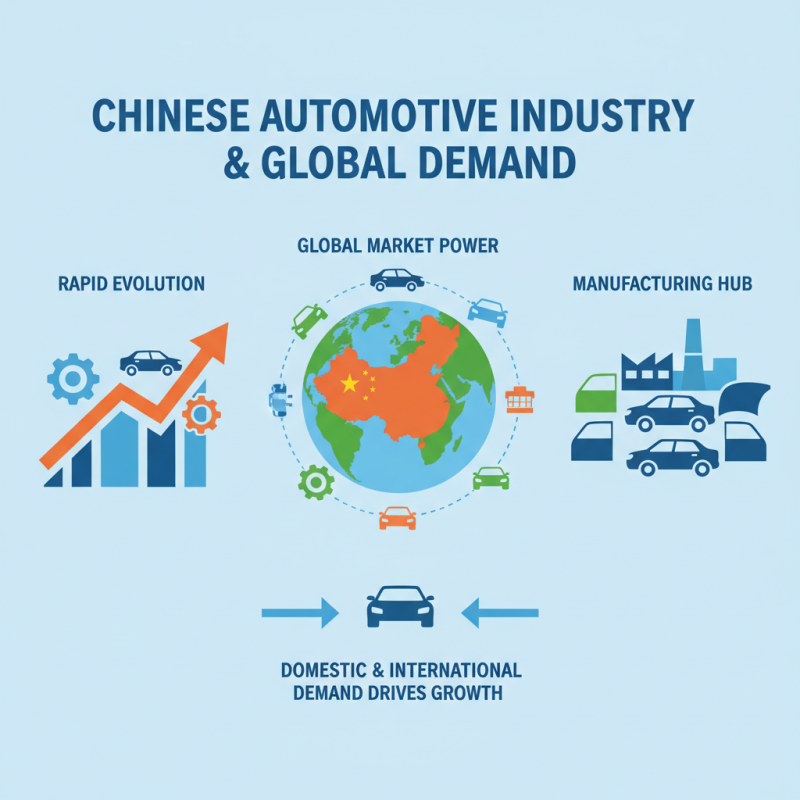
The Chinese automotive industry is rapidly evolving. It holds a significant position in the global market. Manufacturers in China produce various automotive body parts. This growth is driven by both domestic needs and international demand.
Chinese factories utilize advanced technologies. They emphasize quality and cost-effectiveness. However, challenges remain. Some producers struggle with consistency in quality control. Others face issues related to supply chain disruptions, especially in raw materials. As global buyers navigate this landscape, understanding these factors is crucial.
The demand for Chinese automotive components continues to rise. Emerging markets are increasingly sourcing parts from China. Buyers appreciate the competitive pricing and innovation. Yet, ensuring reliable partnerships and understanding local regulations can be complex. Potential buyers must engage with local experts to mitigate risks.
China has become a leading supplier of automotive body parts, attracting global buyers due to several key features. One significant factor is the cost-effectiveness of production. Research shows that Chinese manufacturing can be up to 30% cheaper than in Western countries. This price advantage often results from lower labor costs and economies of scale.
Another critical feature is the adaptability of Chinese manufacturers. They can customize body parts based on buyers' specific needs. Reports indicate that over 70% of companies sourcing parts from China appreciate the flexibility in production runs. This responsiveness helps manufacturers meet changing market demands swiftly. Moreover, quality standards have improved remarkably. Data from the Chinese automotive sector indicates that nearly 90% of parts comply with international quality certifications.
However, challenges remain. Some buyers report inconsistent quality and long lead times. Quality control is a crucial focus for manufacturers to enhance reliability. A growing emphasis on sustainability is also reshaping production. This industry trend aims for greener manufacturing practices. A recent study highlights that 60% of automotive manufacturers in China are investing in eco-friendly technologies.
| Part Name | Material | Weight (kg) | Compatibility | Price Range (USD) |
|---|---|---|---|---|
| Front Bumper | Polypropylene | 5.0 | Universal | 50 - 150 |
| Rear Spoiler | Fiberglass | 3.0 | Sedan Models | 30 - 100 |
| Side Mirror | ABS Plastic | 1.2 | All Models | 20 - 60 |
| Bonnet | Aluminum | 6.5 | SUVs and Trucks | 100 - 250 |
| Fenders | Steel | 4.0 | Compact Cars | 40 - 120 |
| Grille | Plastic | 2.0 | Sedans | 15 - 45 |
| Door Panel | Polycarbonate | 3.5 | All Models | 40 - 100 |
| Tailgate | Stainless Steel | 8.0 | Pick-up Trucks | 150 - 300 |
| Bumper Cover | Polypropylene | 4.5 | Sedans & SUVs | 50 - 200 |
| Headlight Assembly | Glass & Plastic | 1.8 | All Models | 30 - 80 |
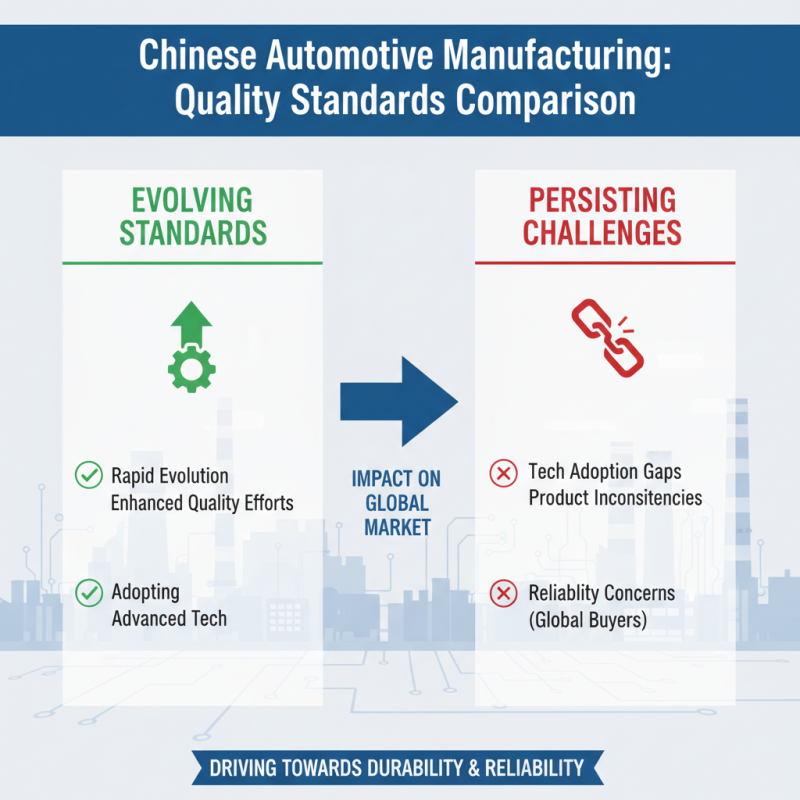
The automotive industry in China has rapidly evolved, with many manufacturers striving to enhance their quality standards. However, challenges still persist. Some factories struggle to adopt advanced technology, leading to inconsistencies in product quality. These variations can impact global buyers who expect reliability and durability.
Quality standards in Chinese automotive manufacturing differ widely among regions and companies. While some producers follow strict protocols, others may cut corners to reduce costs. Buyers must be vigilant when sourcing parts. Reviews and certifications can provide insight into the manufacturer’s practices. The commitment to quality is often reflected in the materials used and the attention to detail in the production process.
Moreover, the quality control measures employed by manufacturers can vary greatly. Some companies invest in robust testing procedures, while others rely on minimal checks. This discrepancy poses risks for global buyers who may not fully understand the supplier landscape. Understanding these factors is crucial for making informed decisions.
The automotive body parts export industry in China is witnessing significant transformations. Factors influencing this growth include technological advancements and evolving consumer preferences. According to a recent report from the Automotive Parts Manufacturers Association, the export value of automotive body parts from China has surged by 15% in the last year alone. This growth highlights both opportunities and challenges facing businesses.
Emerging trends indicate a shift towards lightweight materials. Many manufacturers are now prioritizing materials like aluminum and advanced composites over traditional steel. These materials not only reduce vehicle weight but also improve fuel efficiency. Additionally, end consumers are increasingly aware of sustainability. A survey from the China National Automotive Industry Association found that over 70% of international buyers prefer environmentally friendly components. Companies must adapt their practices to meet these demands.
While the future appears promising, some businesses may struggle to keep pace. The rapid technological evolution requires continuous investment and adaptation. Many exporters still rely on outdated manufacturing techniques, which affects product quality and competitiveness. Investing in research and development is crucial for sustaining growth. These challenges prompt a necessary reflection on current strategies and innovation paths.
Logel’s Auto Parts
116 Bridge St East
Kitchener, Ontario
N2K 1J6
Phone: 519-745-4751
Toll Free: 1-800-818-9118
Hours 8:00-5:00 Monday to Friday
At Logel’s Auto Parts, we serve a range of communities in Southern Ontario, including:
Sign up today for the latest updates from the Logel’s Auto Parts team, including pricing for scrap vehicles, our newest product lines, current operating hours, and much more.