Why Is Automotive Recycling Important for Sustainable Future?

As the automotive industry faces increasing pressure to adopt sustainable practices, the importance of automotive recycling cannot be overlooked. David Allen, a renowned expert in the field, once stated, “Automotive recycling is not just an industry; it is a necessity for a sustainable future.” This underscores the vital role of recycling in reducing environmental impact.

Automotive recycling involves transforming end-of-life vehicles into reusable materials. This process conserves resources, reduces waste, and decreases carbon emissions. In fact, recycling metal from cars can save up to 74% of the energy needed to produce new metal. However, despite these benefits, challenges persist. Many consumers remain unaware or inactive in proper disposal practices for old vehicles.

The potential for growth in automotive recycling is significant. Yet, it demands collaboration between manufacturers, recyclers, and consumers. Increasing awareness and improving recycling technologies can create a more sustainable automotive future. Embracing automotive recycling is imperative, yet the path is not without obstacles. We must reflect on how to navigate this complex landscape.

Why Is Automotive Recycling Important for Sustainable Future?

The Role of Automotive Recycling in Resource Conservation

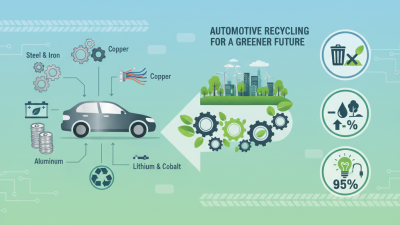
Automotive recycling plays a crucial role in resource conservation. In fact, up to 95% of a vehicle's parts can be recycled or reused. This includes metals, plastics, and glass. According to the Automotive Recyclers Association, recycling one vehicle conserves approximately 1,400 kg of materials. This massive reduction in resource use is essential for the planet.

However, the recycling process is not without its challenges. Automotive components often contain hazardous materials. Improper disposal can lead to environmental contamination. Car batteries, for instance, release toxic substances if not handled correctly. More awareness is needed about these risks. Studies suggest only 70% of automotive recyclers follow best practices. This highlights a gap that needs attention.

Additionally, there is a disparity in recycling rates across regions. Some areas recycle vehicles efficiently, while others lag behind. This inconsistency raises questions about the standardization of practices.
Promoting better recycling methods can bridge this gap. Industry experts suggest investing in technology and training for recyclers. Enhanced techniques could ensure more effective resource recovery and environmental protection.

Current Statistics on Vehicle Lifespan and Recycling Rates

Automotive recycling plays a critical role in sustainability. The global vehicle lifespan has increased in recent years. On average, vehicles now last about 12 years. This extended lifespan means more cars are on the roads longer, impacting resource consumption.

Recycling rates for vehicles stand at around 75%. This statistic indicates a growing awareness of the need to recycle. Yet, this also suggests that a significant number of vehicles still end up in landfills. Each vehicle holds valuable metals, plastics, and glass that can be reused. Recycling reduces the need for new raw materials and lowers environmental impact.

However, challenges remain. Many consumers remain unaware of proper disposal methods. Education and access to recycling facilities are still lacking in many regions. Effective action requires collective awareness and effort to improve recycling rates.

Environmental Impact of Automotive Waste on Landfills

Automotive waste has a significant environmental impact. When vehicles reach the end of their life, many parts end up in landfills. These parts often contain harmful substances like oil, batteries, and plastics. These materials can leak toxic chemicals into the ground, affecting soil and water quality.

The sheer volume of automotive waste is staggering. Millions of cars are discarded every year. This contributes to the growing landfill crisis. In many regions, landfills are overflowing, creating health risks for local communities. Communities face contaminated water and air pollution as a result.

Recycling automotive parts can help mitigate these issues. By reclaiming metals and other materials, we can reduce the demand for new raw materials. This process not only conserves resources but also minimizes the waste that ends up in landfills. However, the rate of automotive recycling needs improvement. Many people remain unaware of proper disposal methods. Addressing this gap in knowledge is crucial for promoting sustainability and protecting our environment.

Why Is Automotive Recycling Important for Sustainable Future? - Environmental Impact of Automotive Waste on Landfills

Dimension Data
Automotive Waste Generated (Million Tons/Yr) 140
Percentage of Waste Recycled (%) 80
Reduction in Landfill Space (Cubic Yards) 12 million
CO2 Emissions Avoided (Million Tons/Yr) 15
Energy Saved (Million MWh/Yr) 50
Number of Vehicles Recycled (Million) 8
Value of Recycled Materials (Billion USD) 7

Economic Benefits of the Automotive Recycling Industry

The automotive recycling industry plays a vital role in the economy. It creates jobs, reduces waste, and contributes to environmental sustainability. By recycling materials from old vehicles, businesses can lower production costs and decrease the demand for new raw materials. This leads to a more sustainable approach to manufacturing.

Tips: Look for local recycling programs to support. Engaging in community initiatives can amplify the positive effects of recycling.

The economic benefits extend beyond immediate savings. Automotive recycling fosters innovation in material recovery and processing technology. As the industry evolves, it enhances efficiency and reduces the environmental footprint of new car production. However, challenges exist within the sector. Uneven regulations and market fluctuations can hinder growth.

Tips: Stay informed about legislation affecting recycling. Understanding these changes can help navigate the complexities of the industry.

Automotive recycling is essential for a sustainable economy. It requires collaboration among manufacturers, recyclers, and consumers. Only through collective efforts can we maximize the benefits and address ongoing challenges.

Future Trends in Automotive Recycling for Sustainability

The automotive recycling industry is evolving rapidly. Predictions suggest that by 2030, the automotive recycling market will reach approximately $70 billion globally. This is driven by the rising demand for raw materials, particularly as automakers shift towards electric vehicles. Recycling helps recover valuable metals, such as aluminum and steel, reducing the need for mining new resources.

Innovative technologies are emerging to enhance recycling efficiency. For instance, hydrometallurgical methods allow better extraction of materials from old vehicles. Reports indicate that more than 95% of end-of-life vehicle materials can be recycled, yet only 75% currently are. This gap underlines the need for improved processing techniques and infrastructure.

The future also emphasizes circular economy concepts. Automakers are exploring design for disassembly, making vehicles easier to recycle. Shifting regulatory frameworks support this trend, encouraging manufacturers to integrate sustainability into their processes. Despite ongoing advancements, challenges remain, especially in public awareness and investment in recycling facilities. Efforts must continue to ensure these systems are accessible and efficient.

Start typing and press Enter to search