Why Buy Parts Car for Your Next Vehicle Project?

When embarking on a vehicle project, considering a parts car can be a game changer. A parts car is essentially a vehicle bought for its components rather than for driving. This approach offers unique advantages for enthusiasts and DIYers alike.

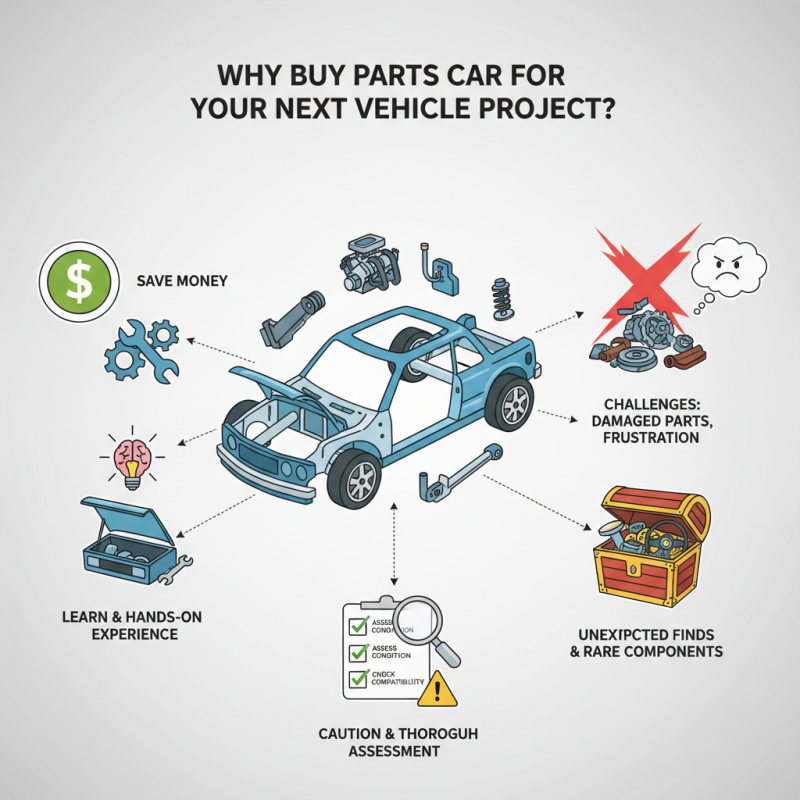
Buying a parts car allows you to save money. Instead of purchasing brand new parts, you can source them from the vehicle itself. It also provides an opportunity to learn. You get hands-on experience in car mechanics, understanding how everything works firsthand. However, it’s not without challenges. You’ll need the right tools and a bit of patience. Some parts may be damaged or unusable, leading to possible frustrations during the rebuild.

In this journey, a parts car can also be a treasure trove of unexpected finds. Sometimes, you may discover rare components or salvaged accessories that enhance your project's overall quality. However, it's crucial to approach this with caution. Make sure to assess the parts car thoroughly before committing to a purchase. Checking the condition of parts and ensuring compatibility with your project can save you future headaches.
Why Buy Parts Car for Your Next Vehicle Project?

Advantages of Purchasing a Parts Car for Vehicle Restoration Projects

A parts car can be a great investment for vehicle restoration projects. According to a 2022 industry report, over 70% of DIY restorers use parts cars to lower costs. This option provides access to hard-to-find components and saves time in sourcing individual parts. A single parts car might include hundreds of usable items.

Buying a parts car also allows for more extensive customization. Enthusiasts can mix and match parts to create a vehicle that suits their vision. Yet, it’s not without challenges. You may face rust issues or incomplete assemblies. It’s crucial to evaluate the condition before purchasing. A survey found that 45% of buyers did not inspect the vehicle thoroughly, leading to unexpected repair costs.

Moreover, using a parts car often cultivates a deeper connection to the restoration process. Handling each piece enhances appreciation for the craftsmanship involved. However, it requires patience. Projects can take longer than anticipated. Passion and dedication are key to overcoming these hurdles. In the end, the journey of restoration is often just as rewarding as the final result.
Understanding the Cost-Effectiveness of Buying a Parts Car

Why Buy Parts Car for Your Next Vehicle Project?

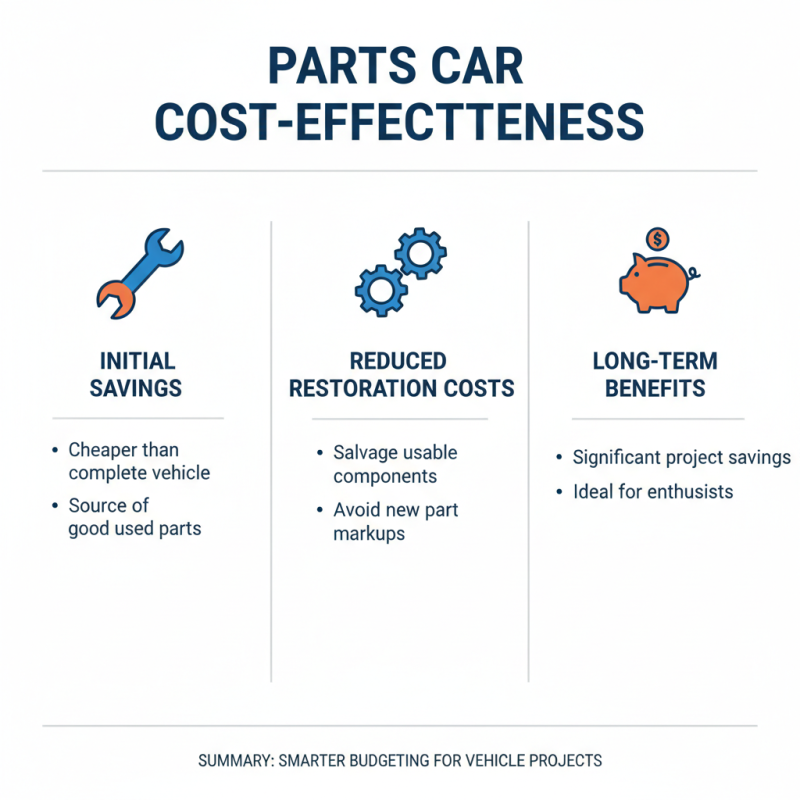
Buying a parts car can save you a lot of money. That's one of the main reasons many enthusiasts choose this route for their vehicle projects. A parts car is often much cheaper than a complete vehicle. You can find a vehicle with vital components that are still good. The opportunity to salvage usable parts can significantly lower restoration costs.

However, it's important to know the risks. Not all parts of a discarded car are in perfect condition. You might end up with parts that require further investment. This can lead to unexpected expenses down the line. For example, one might plan to use a transmission but discover it needs repairs.

Being aware of what you’re getting is essential. Thoroughly inspect the parts car before purchasing. Document the condition of key components like the engine and chassis. Research the particular model as well. Some parts might be harder to find or more expensive than you expected. By being diligent and informed, you can make a smart investment that serves your project well.

Identifying the Right Parts Car for Your Specific Project Needs

Why Buy Parts Car for Your Next Vehicle Project?

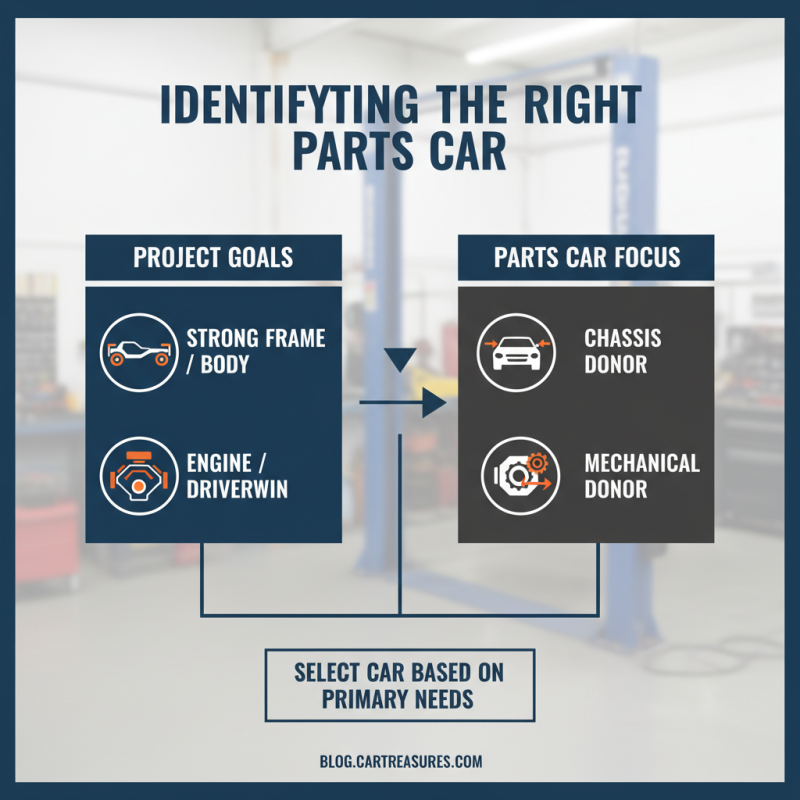
When choosing a parts car for your project, consider how it aligns with your specific needs. Think about the type of vehicle you want to build or restore. Do you need a car with a strong frame, or is the engine more critical? Assessing your primary goals helps narrow down your options.

Look for signs of damage and wear on potential parts cars. A seemingly perfect project might hide flaws. Rust, dents, and missing pieces can lead to unexpected challenges. Getting a car with minor issues can be okay, but excessive damage might drag you down. Always ask yourself if the repairs are worth the effort.

Lastly, do your research on available parts. Compatibility can be tricky. Sometimes the ideal parts car might not have what you need. You might find certain components are obsolete or hard to source. This could affect your project's timeline and budget. Be prepared for twists along the way; they can test your patience and skills.

Key Considerations for Dismantling and Reusing Parts from a Car

Buying a parts car can be a practical choice for your next vehicle project. The benefits are often clear, but dismantling and reusing parts requires careful planning. Industry reports indicate that up to 80% of car parts can be reused or recycled, which makes it an efficient choice for budget-conscious enthusiasts.

When dismantling a parts car, it’s essential to have the right tools. A basic toolkit, including wrenches, pliers, and screwdrivers, is crucial. Always wear protective gear to prevent injury. It’s also beneficial to keep organized. Label each part you remove to avoid confusion later on. Instead of tossing unusable pieces, consider their potential for scrap value.

Tips: Keep an inventory list of the usable parts. This will help when repairing your main vehicle. Consider joining local car enthusiast groups for guidance and possible trades. Engaging with others can inspire creative reuse ideas. Always assess the condition of each part. Some may appear fine, but internal damage could make them unreliable.

Dismantling a parts car is not straightforward. It can be frustrating when parts are stubborn or rusted. Patience is key. Sometimes, a second opinion helps. Sharing experiences with fellow DIYers can uncover valuable insights. Balancing what to reuse and what to discard takes practice and reflection. Consider the long-term impact on your project budget.

Why Buy Parts Car for Your Next Vehicle Project? - Key Considerations for Dismantling and Reusing Parts from a Car

Part Condition Estimated Value ($) Reusability Important Considerations
Engine Used 1500 High Check for leaks and wear
Transmission Rebuilt 1200 High Inspect for proper function
Body Panels Used 300 Medium Check for rust and dents
Wheels Used 400 High Ensure tires have good tread
Seats Good 200 Medium Check for tears and stains

Tips for Successfully Integrating Parts from Salvage Cars into Your Build

When integrating parts from salvage cars into your vehicle project, precision is key. Salvage yards often offer components at a fraction of the retail price. Research indicates that using salvaged parts can reduce build costs by as much as 30% (National Automotive Manufacturers Report, 2022). However, not all parts are created equal. It’s vital to inspect parts thoroughly for wear and damage. A seemingly minor issue can lead to significant complications later.

Compatibility is another crucial factor. Check if the salvaged parts match your vehicle's specifications. For instance, engines and transmissions can vary greatly even within similar models. The right data makes a difference. According to a 2023 study, mismatched parts contribute to 15% of project delays and can escalate costs (Automotive Project Management Journal). Engage with local automotive forums for insights and experiences. Others’ tales can guide your decisions.

Consider shipping and logistics as well. Sometimes, local junkyards have hidden gems. Driving to a yard could save time and shipping costs. But choosing a remote supplier may yield unique finds. Remember to document your sourcing journey. Reflecting on obstacles faced can inform future projects. Embrace this process; every mistake is a lesson learned.

Benefits of Using Parts from Salvage Cars

Start typing and press Enter to search