What are Wheel Hub Bearing Units and Their Importance?

wheel hub bearing units play a crucial role in vehicle performance. These components enable smooth wheel rotation and ensure stability. A well-functioning wheel hub bearing unit can enhance safety, comfort, and handling.

When these units fail, problems arise. Drivers might experience noise, vibration, or uneven tire wear. In some cases, this neglect leads to dangerous situations on the road. The importance of timely maintenance cannot be overstated.

Understanding wheel hub bearing units helps owners make informed decisions. They are not just parts; they are essential for reliability. Regular inspections and prompt replacements can often save money and increase vehicle longevity. Keeping these components in check is critical for overall driving safety.
What are Wheel Hub Bearing Units and Their Importance?

What are Wheel Hub Bearing Units?

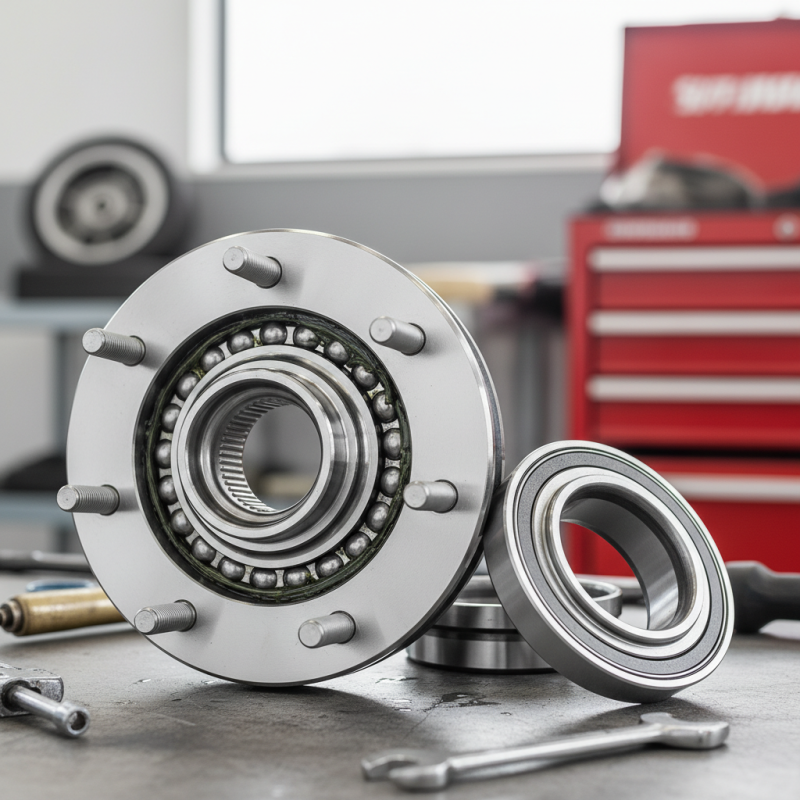
Wheel hub bearing units play a crucial role in vehicle performance. These assemblies are critical for the smooth rotation of wheels. A wheel hub bearing unit typically integrates a bearing and a hub into one unit, reducing complexity. They are designed to handle both radial and axial loads. The importance of proper maintenance cannot be overstated. Neglecting these units can lead to severe issues.

Research shows that about 25% of all vehicle failures are linked to bearing issues. This statistic emphasizes the need for regular inspections. A worn or damaged wheel hub bearing can cause noise and affect the vehicle's alignment. It may also lead to uneven tire wear. According to industry reports, replacing a wheel hub bearing unit can cost between $200 and $500.

However, many drivers overlook this aspect of vehicle maintenance. This gap often results in costly repairs down the line. Additionally, some units may not meet quality standards, contributing to premature failure. Investing in high-quality parts can prolong vehicle life. It ultimately enhances safety on the road.


Key Components of Wheel Hub Bearing Units

Wheel hub bearing units play a crucial role in vehicle performance. They support the weight of the vehicle while allowing the wheels to rotate smoothly. Key components of these units include bearings, housings, and seals. Each part must work together seamlessly for optimal performance.

Modern wheel hub systems feature dual-row ball bearings. These enhance load distribution and reduce friction. According to industry reports, these systems can increase vehicle lifespan by up to 30%. However, improper installation can lead to premature failures. Many fail to recognize the importance of quality seals. They protect bearings from dirt and moisture, ensuring durability.

Precision is vital in manufacturing these components. Research shows that even minor defects can lead to significant issues. Regular inspections are essential to ensure performance and safety. Many drivers overlook this, risking both their safety and vehicle integrity. Investing in high-quality wheel hub bearing units may save costs in the long run.

Statistical Data on Wheel Hub Bearing Performance and Longevity

Wheel hub bearing units are vital components in vehicle performance. They allow wheels to rotate smoothly while supporting the vehicle's weight. Statistical data shows that these units greatly affect the longevity of a vehicle. On average, a wheel hub bearing unit can last between 80,000 to 100,000 miles. However, factors like driving conditions and maintenance can alter this lifespan.

In urban areas, where potholes and rough roads are common, the bearings may wear out faster. Research indicates that these bearings can lose efficiency, increasing noise and friction. It's essential to monitor their condition. Neglecting this can lead to more costly repairs. Regular checks can prevent premature failure. Yet, many drivers overlook this critical maintenance. Engaging in proactive care can extend the life of these components and ensure safer driving. The data underscores the need for awareness in vehicle maintenance.

What are Wheel Hub Bearing Units and Their Importance? - Statistical Data on Wheel Hub Bearing Performance and Longevity

Bearing Type Average Lifespan (Miles) Load Capacity (lbs) Noise Level (dB) Failure Rate (%)
Standard Hub Bearing 150,000 1,500 70 5
Premium Hub Bearing 200,000 2,000 65 3
Heavy-Duty Hub Bearing 250,000 2,500 75 2

Importance of Wheel Hub Bearing Units in Vehicle Safety

Wheel hub bearing units play a crucial role in vehicle safety. They connect the wheel to the vehicle's suspension system. These units allow for smooth wheel rotation and support the vehicle's weight. When they function properly, they keep the vehicle stable. Any malfunction can lead to severe safety risks, such as loss of control.

Drivers often overlook these components. Neglecting regular inspections can lead to premature wear. If you hear unusual noises or feel vibrations, take action. These signs can indicate failing bearings. Ignoring them can escalate into costly repairs and safety hazards.

Tips for maintaining wheel hub bearing units:
Regularly check for rust or damage. Keep your vehicle’s wheels aligned properly. Schedule routine inspections to catch issues early. Remember, proactive care enhances safety and extends the lifespan of your vehicle components. It's better to address minor issues than face major headaches later.

Common Failure Modes and Maintenance Practices for Wheel Hub Bearings

Wheel hub bearings play a critical role in vehicle performance and safety. They support the weight of the vehicle and allow the wheels to rotate smoothly. However, these components are prone to specific failure modes. Common issues include excessive wear, corrosion, and misalignment. According to the Society of Automotive Engineers, nearly 30% of wheel bearing failures stem from improper installation. If a bearing is misaligned, it can lead to uneven wear and eventual failure.

Regular maintenance is essential to prolong the lifespan of wheel hub bearings. Simple practices like periodic inspections can identify wear before it becomes a serious issue. Many reports suggest that replacing wheel bearings as part of scheduled maintenance can reduce unexpected breakdowns by approximately 25%. Drivers should also check for any unusual noises, vibrations, or play in the wheels. Ignoring these signs can lead to costly repairs down the line. Attention to detail in maintenance practices is crucial. Without it, even the best-quality bearings can fail prematurely, leading to significant safety risks.

Start typing and press Enter to search