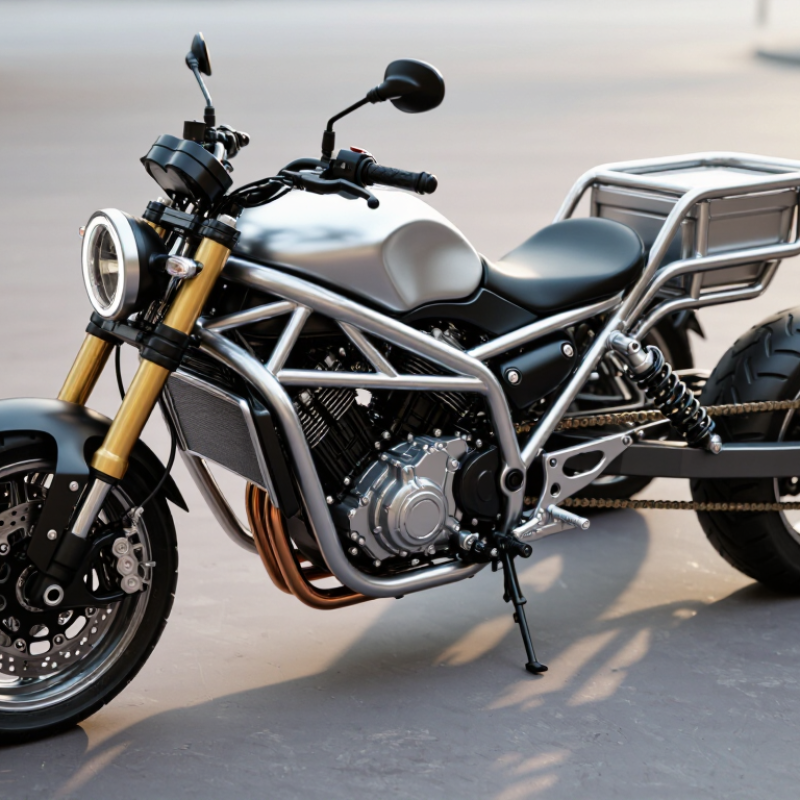
What Is a Tricycle Motor Bike and How Does It Work?

A Tricycle Motor Bike combines motorcycle-style controls with a stable three-wheel structure. It may use one front wheel and two rear wheels, or the reverse. The arrangement affects steering, balance, braking, and cargo capacity.

Three wheels matter. They can help riders feel more confident during slow turns and frequent stops. The engine or electric motor sends power through a transmission, belt, chain, or hub system. That power reaches the driven wheel or wheels. The rider controls speed with a throttle and slows down using hand or foot-operated brakes. Some models also include differential systems, which help the rear wheels rotate at different speeds during corners.

Dr. Paul Nieuwenhuis, an automotive-industry researcher, describes vehicle design as “a compromise between efficiency, cost, and usability.” His observation suits the Tricycle Motor Bike well. More wheels can improve balance, but they may also increase weight, tire wear, and turning effort. The experience is not always simple. A heavy cargo model can feel secure on a straight road, yet awkward in a narrow parking area.

This guide explains what a Tricycle Motor Bike is and how its main systems work. It examines frame design, power delivery, steering geometry, braking, suspension, and everyday handling. Practical details matter, including tire pressure, load distribution, visibility, and maintenance. Technology helps, but it cannot replace careful riding. Even experienced users may misjudge a tight corner or uneven surface. Understanding the machine remains the best starting point.

What Is a Tricycle Motor Bike and How Does It Work?

What Is a Tricycle Motor Bike?

A tricycle motor bike is a powered vehicle with three wheels, a frame, a seat, steering controls, and a motor that drives one or more wheels. Unlike a pedal tricycle, it can move under motor power without the rider pedaling. Some models place two wheels at the front; others place them at the rear. That difference affects steering feel, passenger or cargo space, and how the vehicle behaves through a turn. It is a practical design, but not one single vehicle type.

The European Union’s Regulation (EU) No 168/2013 defines a three-wheel motor vehicle category, L5e, within its framework for approval and technical requirements. Classification details matter: a vehicle’s layout and specifications can affect how it is assessed. Many tricycle motor bikes use a throttle, hand-operated brakes, and either electric or combustion power. Electric versions typically combine a battery, motor controller, and hub or mid-mounted motor. Simple enough. Yet three wheels do not guarantee easy handling; uneven pavement, tight turns, and a high load can change balance.

Safety deserves equal attention. The World Health Organization’s Global Status Report on Road Safety 2023 reports that powered two- and three-wheelers account for 21% of global road traffic deaths. That figure covers a broad group, not tricycle motor bikes alone. Still, it is a useful reminder to check braking performance, tire condition, visibility, and load limits before riding. I would not assume the extra wheel makes every ride safer.

What Is a Tricycle Motor Bike and How Does It Work?

A motor tricycle is a motorized vehicle with three wheels. Like a motorcycle, it uses an engine to drive the vehicle; its third wheel provides an additional point of contact with the road. Wheel arrangements vary by model.

What Are the Main Parts of a Tricycle Motor Bike?

A tricycle motor bike combines a motorcycle-style front end with two rear wheels. Its main parts work together to carry a rider, passenger, or light cargo. The frame forms the foundation. It supports the engine, seat, fuel tank, battery, and rear axle. A petrol model uses an engine, clutch, gearbox, and exhaust system. An electric model replaces these parts with a motor, controller, battery pack, and charging unit.

The steering system includes handlebars, forks, and a front wheel. These parts control direction and absorb some road shock. At the rear, the axle transfers power to both wheels through a differential or linked drive system. This helps the wheels turn at different speeds around corners. Without that movement, turning can feel rough and unstable. The suspension uses springs and dampers to reduce bouncing, although basic designs may feel firm on uneven roads.

Brakes are fitted to the front, rear, or both axles. Cables, hydraulic lines, or electronic controls activate them. Wide tires improve balance and grip, but they do not remove rollover risk. Controls usually include a throttle, brake levers, gear selector, lights, and instrument panel. Cargo models may also have a reinforced rear platform or enclosed box. The layout is not always tidy. A loose connector, worn belt, or underinflated tire can change the riding feel quickly. Careful inspection matters, especially around the axle, brakes, and battery connections.

What Is a Tricycle Motor Bike and How Does It Work? — Main Parts and Functions
Category Part or Feature Typical Specification or Description How It Works or Why It Matters
Basic Definition and Operating Principles
Definition Tricycle Motor Bike A motorized three-wheeled vehicle with either two wheels at the rear and one at the front, or two wheels at the front and one at the rear. It combines motorcycle-style propulsion with a three-wheel layout that can provide additional stability at low speeds and useful load-carrying capacity.
Power Source Internal-Combustion Engine or Electric Motor Common power sources include a small gasoline engine or a battery-powered electric motor. The power source produces rotational force, known as torque, which is transferred through the drivetrain to the driven wheel or wheels.
Power Flow Energy-to-Motion Process Fuel or stored electrical energy is converted into mechanical rotation. The engine or motor turns the drivetrain, the drivetrain rotates the axle or wheel, and tire friction against the road moves the vehicle forward or backward.
Steering Handlebar or Steering System Many motorcycle-style designs use handlebars; some front-two-wheel layouts use a steering linkage connected to the front wheels. Turning the control changes the direction of the steered wheel or wheels. The frame and suspension must allow the vehicle to turn without excessive instability.
Stability Three-Wheel Configuration The wheel arrangement creates a wider support base than a conventional two-wheel motorcycle. The extra wheel can reduce the need to balance at a stop, although stability during cornering still depends on speed, weight distribution, suspension design, and road conditions.
Braking Hydraulic, Mechanical, or Regenerative Brakes Disc or drum brakes may be used; electric versions can also use regenerative braking. Brake force slows the wheels. Regenerative braking can recover part of the vehicle’s kinetic energy and return it to the battery during deceleration.
Main Mechanical and Electrical Parts
Structure Frame or Chassis A rigid metal structure that supports the engine or motor, bodywork, suspension, seat, and cargo or passenger loads. It maintains alignment between the wheels and distributes operating loads throughout the vehicle.
Propulsion Engine In a gasoline-powered model, the engine typically includes a cylinder, piston, crankshaft, intake system, exhaust system, and cooling system. Combustion creates pressure that moves the piston. The crankshaft converts that reciprocating motion into rotary motion.
Propulsion Electric Motor Electric models commonly use a hub motor or a centrally mounted motor connected to the drivetrain. Electromagnetic force rotates the motor shaft or wheel hub, delivering torque with relatively few moving parts.
Energy Storage Fuel Tank or Battery Pack Gasoline models store liquid fuel in a tank; electric models store electrical energy in a rechargeable battery pack. The stored energy determines operating range, while tank or battery capacity affects vehicle weight, packaging, and refueling or charging time.
Transmission Clutch, Gearbox, or Belt Drive Depending on the design, the drivetrain may include a manual clutch and gears, an automatic continuously variable transmission, or a direct electric drive. It adjusts the relationship between motor speed and wheel speed, helping the vehicle start, accelerate, climb, and cruise efficiently.
Final Drive Chain, Belt, Shaft, or Differential Power may be transferred by a chain, toothed belt, drive shaft, or geared axle assembly. The final drive sends torque to the driven wheel or wheels. A differential can allow wheels on the same axle to rotate at different speeds while cornering.
Suspension Forks, Shock Absorbers, and Springs Suspension components connect the wheels to the frame and absorb bumps using springs and dampers. They help maintain tire contact with the road, improve comfort, and control bouncing during acceleration, braking, and cornering.
Wheels and Tires Three Wheels and Tires The tires provide the contact patch between the vehicle and the road; sizes and tread patterns vary by vehicle purpose. Tire grip enables acceleration, braking, and steering. Correct inflation is important for handling, load capacity, and tire life.
Steering Steering Head, Linkage, and Tie Rods These components connect the steering control to the steered wheel or wheels. They transmit steering input and maintain the intended wheel angles during a turn.
Braking Brake Calipers, Discs, Drums, and Controls Brake assemblies use friction to slow rotating discs or drums; the controls may be operated by hand levers or foot pedals. Friction converts motion into heat. Balanced braking is essential because uneven brake force can affect directional control.
Electrical System Wiring, Fuses, Switches, and Lighting The electrical system powers the starter, lamps, indicators, instruments, sensors, and control devices. It distributes electrical energy and provides signaling, visibility, monitoring, and protection against electrical faults.
Electric Control Motor Controller and Battery Management System Electric models use a motor controller and, in most cases, a battery management system. The controller regulates motor current and speed. The battery management system monitors cell voltage, temperature, charging, and protection limits.
Controls and Safety Throttle, Instrument Panel, and Safety Equipment Typical equipment includes a throttle, speed display, warning indicators, mirrors, lights, reflectors, and seat belts where applicable. These systems allow the rider or driver to control speed, monitor vehicle status, communicate intentions, and improve visibility and occupant protection.
Typical Operating Characteristics
Load Capacity Passenger and Cargo Support Capacity depends on the frame, suspension, tires, brakes, powertrain, and legally specified gross vehicle weight. Adding passengers or cargo increases braking distance, tire loading, and suspension stress, so the manufacturer’s load limit should not be exceeded.
Performance Speed, Torque, and Range Performance varies according to motor or engine output, gearing, vehicle mass, aerodynamics, terrain, and energy capacity. Torque affects starting and hill climbing, while available power influences acceleration and sustained speed. Electric range also depends strongly on temperature and riding conditions.
Maintenance Routine Service Items Common checks include tire pressure, brake condition, suspension components, fasteners, lighting, chain or belt condition, engine fluids, and battery connections. Regular inspection helps preserve braking, steering, traction, efficiency, and overall operating safety.

How Does a Tricycle Motor Bike Work?

A tricycle motor bike works through a coordinated system of propulsion, steering, braking, and stability. Its engine or electric motor creates torque, then transfers power through a belt, chain, shaft, or gearbox. The rear axle usually drives one or both rear wheels. A differential can let each wheel rotate at a different speed during turns. Without it, the tires may scrub across the road.

The front wheel often handles steering, while two rear wheels support the load. Some designs reverse this layout. Suspension absorbs bumps, and hydraulic or mechanical brakes convert motion into heat. Electric versions add a battery, motor controller, and regenerative braking system. The International Energy Agency reported nearly 14 million electric car sales worldwide in 2023, showing how rapidly battery propulsion is developing beyond conventional engines. However, that figure does not represent tricycle motor bikes directly. The comparison needs care.

Real roads expose compromises. A narrow turning radius can feel unstable if the rider enters a corner too quickly. Tire pressure, cargo weight, and uneven pavement also change handling. The World Health Organization’s Global Status Report on Road Safety 2023 estimated 1.19 million annual road deaths worldwide. That figure reinforces the need for responsive brakes, visible lighting, and predictable steering. The design is not flawless. Mechanical inspections still matter. A loose chain, worn brake pad, or weak battery connection can quietly reduce control before the rider notices.

What Types of Tricycle Motor Bikes Are Available?

Tricycle motor bikes come in several practical forms, and each one suits a different daily task. Electric cargo trikes use a rear or front loading box for groceries, tools, or small deliveries. Their low center of gravity can improve stability, although heavy loads still affect braking and cornering. A covered cargo model protects items from rain but may feel less agile in narrow streets.

Passenger trikes include a rear bench, a covered cabin, or two separate seats. They are useful for family travel, short-distance transport, and community services. Some models use pedal assistance, while others rely mainly on a small motor. The riding experience depends on wheel spacing, suspension, and seat height. Wider rear wheels usually feel steadier, but they require more room to turn. That trade-off is easy to overlook.

Utility trikes are built for maintenance work, farming support, and carrying equipment. They may have a flatbed, lockable box, or adaptable rack. Mobility-focused trikes often provide step-through frames, supportive seats, and simple controls. These features help older riders, but comfort does not remove the need for careful handling. A test ride should include starts, stops, tight turns, and gentle slopes. No single type is perfect. Weight ratings, battery range, tire grip, and local road requirements deserve close checking. Specifications can look impressive on paper, yet real performance changes with hills, weather, passengers, and cargo placement.

What Are the Advantages and Limitations of Tricycle Motor Bikes?

What Is a Tricycle Motor Bike and How Does It Work?

A tricycle motor bike has one front wheel and two rear wheels, or the reverse. Its engine or electric motor transfers power through a chain, belt, or axle. A differential can help the rear wheels turn at different speeds. That matters during tight cornering. Some models carry passengers, cargo boxes, or small delivery loads.

The main advantage is low-speed stability. A rider can stop without balancing like a conventional motorcycle. The broad rear axle also creates useful space for tools, groceries, or a 50-kilogram load. Electric versions produce no tailpipe emissions during operation. The International Energy Agency’s Global EV Outlook 2024 identifies electric two- and three-wheelers as a major electrification segment, particularly in emerging markets. Running costs can be modest.

But stability is not immunity. A high load placed behind the axle may increase rollover risk during a sharp turn. Cornering feels different. The vehicle may resist leaning, then lift an inside wheel on uneven pavement. Its wider body also needs more road space and careful parking. Battery range can fall noticeably on hills, in cold weather, or under heavy cargo. Charging may take several hours without higher-power equipment.

Safety deserves attention. The World Health Organization reported about 1.19 million road deaths in 2021, with more than half involving vulnerable road users. A tricycle’s extra wheel does not replace training, lights, mirrors, or disciplined speed. Real-world testing still matters. Specifications can look reassuring, yet poorly distributed weight may expose weaknesses.

Start typing and press Enter to search