Ultimate Guide to Auto Parts Search for Your Vehicle Needs?

In today's automotive market, the importance of effective auto parts search cannot be overstated. According to a recent report by the Automotive Aftermarket Industry Association (AAIA), the global auto parts aftermarket is projected to reach $1 trillion by 2024. This staggering growth highlights the need for consumers and businesses alike to master the art of searching for auto parts efficiently.

Industry expert John Smith, a leading figure in auto parts logistics, states, "A well-informed auto parts search is essential for both cost-effectiveness and performance." This statement reflects a critical truth: navigating the vast array of options available can often lead to confusion and frustration. Many consumers struggle with identifying the right parts for their vehicle needs, which can result in costly mistakes.

The complexity of modern vehicles demands precision in auto parts search strategies. The overwhelming choice can hinder decision-making. As enthusiasts and professionals alike recognize, even a small error in part selection can lead to significant repairs down the line. It’s a reminder that while technology offers tools to make searching easier, careful consideration remains key in achieving satisfaction with each purchase.

Ultimate Guide to Auto Parts Search for Your Vehicle Needs?

Understanding Your Vehicle: Key Components and Their Functions

Understanding your vehicle is crucial for effective auto parts searching. Every vehicle comprises key components that serve distinct functions. For example, the engine is the heart of the car, converting fuel into power. According to industry reports, nearly 40% of vehicle breakdowns are engine-related. Regular maintenance can help prevent such issues.

The transmission transfers power from the engine to the wheels. A malfunctioning transmission can lead to delays and costly repairs. Always check your transmission fluid levels. It’s also essential to understand your vehicle's braking system. Faulty brakes cause 30% of all vehicle accidents. Ensuring your brake pads are in good condition is a matter of safety.

Tip: Create a checklist for essential vehicle components. Check items like battery health and tire condition regularly. A proactive approach can save you time and money. Remember, neglecting minor issues may lead to major repairs. Always stay informed about your vehicle's needs.
Types of Auto Parts: OEM vs. Aftermarket Explained

When searching for auto parts, understanding the difference between OEM and aftermarket options is crucial. OEM stands for Original Equipment Manufacturer. These parts are made by the vehicle's manufacturer, ensuring a perfect fit. According to a recent report by the Automotive Aftermarket Supplier Association, around 60% of vehicle owners prefer OEM parts for their reliability.

On the other hand, aftermarket parts may offer more options and often come at a lower price. They can vary greatly in quality, and some may not fit as well. A survey conducted by Consumer Reports found that 40% of consumers experienced issues with aftermarket parts. This suggests that while they can be appealing, they sometimes require additional adjustments or have durability concerns.

Choosing the right type often depends on individual needs. Some might prioritize cost, while others value reliability. It’s important to reflect on your vehicle's specific requirements. Not all aftermarket parts provide the same value. Research is vital. Checking reviews and ratings may help. Ultimately, making an informed choice can lead to better performance and satisfaction.

Auto Parts Comparison: OEM vs. Aftermarket

Effective Strategies for Searching Auto Parts Online

Searching for auto parts online can be daunting. Many websites offer various parts, but finding the right one for your vehicle is crucial. Start by knowing your vehicle’s make, model, and year. This information narrows your search significantly. Small details matter. For example, a slight variance in part numbers can lead to incorrect purchases.

Explore multiple platforms to compare prices and availability. Reading customer reviews can provide insights into product quality. Many parts look similar but differ in performance. Sometimes, cheaper options may end up costing more in the long run. Pay attention to return policies as well, as mistakes can happen. Do not hesitate to reach out to customer support for clarifications.

Consider the option of local auto parts stores. They can offer immediate assistance and guidance. You might find a knowledgeable employee who can help you navigate your choices. Online resources may not always provide complete information. Learning from your past mistakes can refine your search. Each experience is a step towards mastering online auto parts shopping.

Ultimate Guide to Auto Parts Search for Your Vehicle Needs

Part Type Compatibility Price Range Condition
Brake Pads Universal $30 - $80 New
Oil Filter Most Models $10 - $25 New
Spark Plugs Gasoline Engines $20 - $50 New
Headlight Bulbs Most Cars $15 - $35 New
Battery Most Models $100 - $200 New

Tips for Evaluating Quality and Reliability of Auto Parts

When searching for auto parts, evaluating quality and reliability is crucial. It can be overwhelming. With so many options, how do you choose? Here are some tips to help you navigate this process.

Check the materials used in the parts. Metal parts should be sturdy. Plastic components need to be durable. Look for products that meet industry standards. Reading reviews can also provide insights into performance. Don't just look at ratings; read the comments. Some reviews highlight long-term issues that ratings might miss.

Another tip is to ask questions. If you’re unsure, reach out to the seller. Inquire about warranties and returns. A reliable seller will have clear policies. This is a sign of trustworthiness. Be careful with parts that seem too cheap—they might not last. Quality often comes with a price; don’t compromise for savings.

Navigating Parts Catalogs: How to Use VIN and Other Identifiers

Ultimate Guide to Auto Parts Search for Your Vehicle Needs?

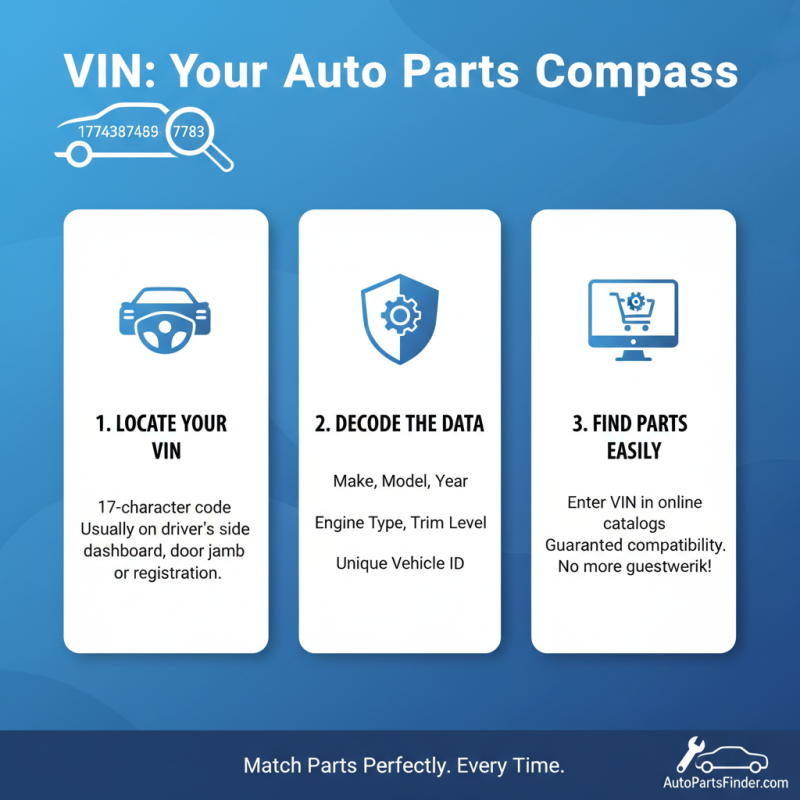
When searching for auto parts, understanding how to use your vehicle's VIN is crucial. The VIN, or Vehicle Identification Number, is a unique code that helps identify your specific vehicle. It consists of 17 characters and contains information about the make, model, and year. By entering this number into online parts catalogs, you can find suitable components without much hassle. It's like having a personalized map for your vehicle’s needs.

Other identifiers can also play a role in your search. For instance, engine codes or model variations might be essential. These details ensure you get the right part. Sometimes, people overlook these specifics, leading to incorrect purchases. Returning parts can be a headache.

Navigating parts catalogs can be tricky. Those unfamiliar with the process may feel overwhelmed. It’s common to make mistakes. Not all parts look the same in online images. Make sure to check dimensions and compatibility. Taking additional time to verify information can save stress later. It’s worth the effort to avoid mistakes.

Start typing and press Enter to search