Choosing the right Industrial Stair Treads Steel is crucial for safety and durability in industrial settings. According to a recent report by the Industrial Safety Institute, slip, trip, and fall incidents account for nearly 25% of workplace injuries. These accidents can be mitigated through the use of effective stair treads, emphasizing the importance of selecting quality materials.
Expert John Smith, a leading figure in workplace safety, states, "The right stair treads can dramatically reduce the risk of accidents." His insights highlight the necessity of considering factors like material strength, surface texture, and compliance with safety regulations. Steel treads, in particular, offer sturdy, long-lasting solutions that can withstand heavy usage.
Despite the availability of various options, many businesses overlook critical aspects when choosing treads. Selection errors may arise from cost-cutting or lack of knowledge about specific requirements. It is essential to reflect on the long-term implications of these choices. Investing in high-quality Industrial Stair Treads Steel can significantly enhance safety and reduce future liabilities.
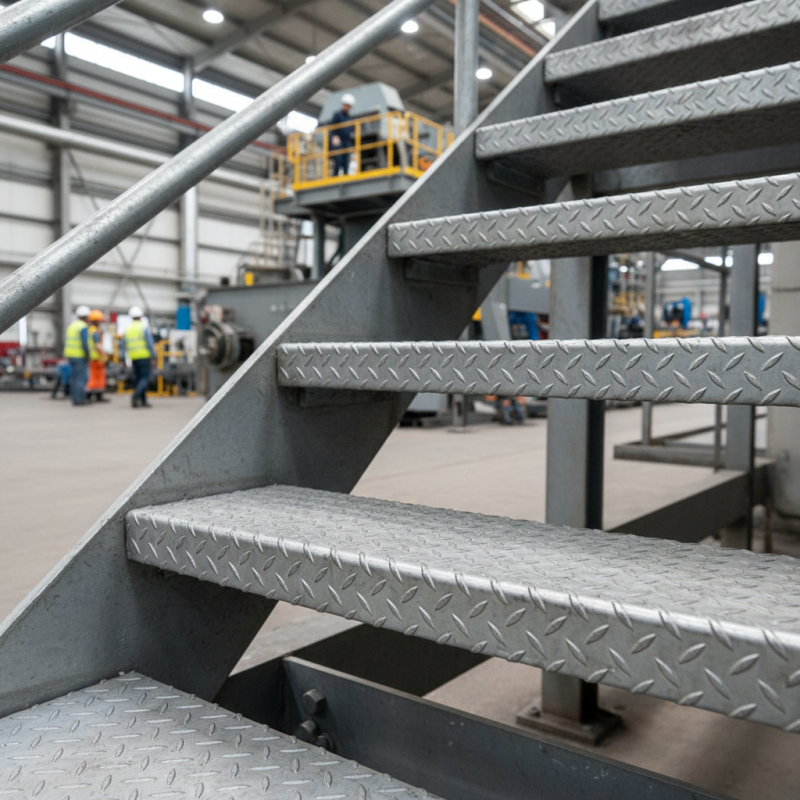
Industrial stair treads play a crucial role in ensuring safety within work environments. According to the Occupational Safety and Health Administration (OSHA), slip and fall incidents account for a significant percentage of workplace injuries. The right stair treads can significantly reduce these risks. They are designed to enhance grip, even in wet or oily conditions, preventing accidents that can lead to serious injuries.
When choosing industrial stair treads, consider materials. Steel treads offer durability and strength. They can withstand heavy foot traffic and harsh conditions. Additionally, surface textures matter; rough surfaces can provide better traction. Proper installation is vital for effectiveness. Stair treads should align perfectly with existing steps to prevent tripping hazards.
Properly evaluated stair treads meet safety standards set by organizations like ANSI and ASTM. These standards ensure that tread materials contribute to workplace safety. Choosing treads that comply with these regulations can mitigate liability risks. Always opt for recognized standards in your selection. A keen eye on these safety features can make a significant difference in your workplace safety culture.
| Tip Number | Tip Description | Material Characteristics | Safety Compliance |
|---|---|---|---|
| 1 | Assess Surface Texture | Anti-slip finishes are critical | Meets OSHA and ANSI requirements |
| 2 | Determine Load Capacity | Steel should support heavy tools/materials | Requires compliance testing |
| 3 | Evaluate Durability | Corrosion-resistant options are preferred | Conforms to ISO durability standards |
| 4 | Consider Installation Needs | Easy to install designs are advantageous | Must adhere to local building codes |
| 5 | Verify Manufacturer Qualifications | Choose reputable suppliers | Certifications should be available |

When evaluating material options for industrial stair treads, steel stands out for its durability and strength. Steel treads are ideal for high-traffic areas, known for their resistance to wear and tear. They can endure extreme conditions, including harsh weather and heavy loads. This makes them suitable for outdoor industrial settings.
Other materials, like rubber or wood, have their advantages as well. Rubber provides excellent grip and is often used in environments where slipping is a concern. Wood offers aesthetic appeal but may not withstand the same wear as steel. It's essential to consider the specific environment and requirements for your stairs. Reflecting on past projects might reveal instances where the material choice affected safety and usability.
While steel is reliable, it requires maintenance. Corrosion can be an issue in humid environments. This can lead to unexpected failures if not monitored closely. Choose wisely and reflect on your needs. Think about how different materials have performed in the past. Each choice carries its own set of challenges.
When selecting industrial stair treads made of steel, the anti-slip features are paramount for workplace safety. A report from the Occupational Safety and Health Administration (OSHA) highlights that slip and fall incidents account for over 25% of all workplace injuries. The right stair treads can significantly mitigate these risks. A study indicates that tread options with a surface roughness of at least 0.75 can reduce the slip coefficient, thereby enhancing grip.
Evaluating the materials used is essential. Steel, while durable, needs proper coatings to enhance its anti-slip properties. Reports show that treads treated with anti-slip coatings can increase friction by 30%. However, some treatments may wear down over time, necessitating routine inspections. Managers should consider the trade-off between durability and the frequency of maintenance to ensure lasting safety.
Another consideration is the environmental context. Outdoor steps may require different treads than those used indoors due to varying levels of moisture exposure. Inadequate choices can lead to inadequate safety measures. Companies must engage in regular assessments of their stair tread effectiveness and remain vigilant about the impact of wear and tear over time. Ensuring optimal safety should be an ongoing priority in industrial settings.
Calculating load capacity for industrial stair treads made of steel is crucial. The load capacity must suit the usage environment. To begin, consider the type of activity. Heavy machinery or frequent foot traffic places different demands on stair treads. Analyze the anticipated weight these treads will support at peak times.
Next, it’s important to understand the stair treads' material properties. Steel offers durability. However, not all steel types are equal. The tensile strength and resistivity to corrosion play significant roles in load capacity. Ensure that your steel treads are appropriately treated for the conditions they will face.
Lastly, never overlook safety factors. These include potential overloads and environmental impacts like moisture or temperature changes. Regular assessments can help identify weaknesses over time. This proactive approach ensures that you do not overlook critical safety aspects, leading to premature wear or even accidents. A clear focus on precise load calculations will protect workers and ensure a safer working environment.
Choosing the right finish for industrial stair treads made of steel is crucial. A durable finish not only enhances safety but also extends the lifespan of the treads. When selecting a coating, consider its resistance to wear and corrosion. A textured finish can improve grip, reducing slip hazards in high-traffic areas.
Maintenance needs also play a role. Some finishes require regular upkeep, while others are more forgiving. For example, powder-coated treads can withstand harsh conditions, but they may need occasional touch-ups. On the other hand, stainless steel offers a sleek look with low maintenance, but it can scratch easily.
Reflect on your specific environment as well. Is it indoors or outdoors? Will it be exposed to harsh chemicals? These factors will influence your decision. Be prepared to adjust your choices based on practical observations. Finding the right balance between durability and maintenance can be a challenge, but it’s essential for workplace safety and efficiency. Consider consulting a professional to ensure optimal results.
This bar chart illustrates the key factors to consider when choosing industrial stair treads made of steel. The dimensions represent the importance level for each factor, based on industry insights.
Logel’s Auto Parts
116 Bridge St East
Kitchener, Ontario
N2K 1J6
Phone: 519-745-4751
Toll Free: 1-800-818-9118
Hours 8:00-5:00 Monday to Friday
At Logel’s Auto Parts, we serve a range of communities in Southern Ontario, including:
Sign up today for the latest updates from the Logel’s Auto Parts team, including pricing for scrap vehicles, our newest product lines, current operating hours, and much more.