When planning your next outdoor adventure, choosing the right Mini RV Fridge can make all the difference. According to a recent survey by the Outdoor Industry Association, over 60% of RV owners prioritize food storage solutions to enhance their travel experiences. The compact nature of a Mini RV Fridge allows for better use of space while ensuring your perishables remain fresh.
Industry expert John Smith, a well-respected voice in recreational vehicle appliances, stated, "A quality Mini RV Fridge transforms your trips by providing reliable refrigeration." This emphasizes the importance of investing in a fridge tailored for travel needs. However, some consumers struggle with the array of options available. It can feel overwhelming, leading to decisions driven more by aesthetics than function.
Choosing a Mini RV Fridge requires careful consideration. Factors like energy efficiency, capacity, and portability must all be evaluated. Many users report dissatisfaction after making hasty choices. Reflecting on these experiences, it becomes clear that thorough research is essential for a successful purchase. Balancing compact design and performance is key to ensuring your fridge meets your adventure demands.
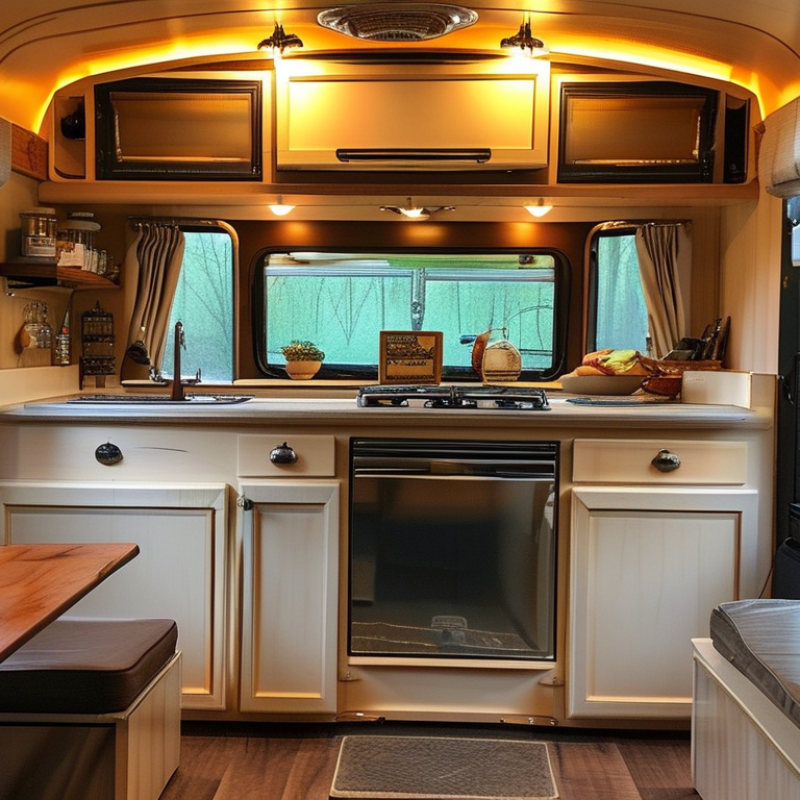
When selecting a mini RV fridge, several essential features warrant your attention. Cooling capacity is crucial. It directly affects how well your food and drinks stay fresh on long trips. According to industry studies, a fridge with a cooling range of 32°F to 50°F is ideal for preserving perishables. Consider your usage patterns, too. A fridge with a higher capacity might be necessary for larger groups or longer adventures.
Energy efficiency should also be a primary concern. Fridges with a low power consumption rating not only save energy but also extend battery life during off-grid camping. Reports indicate that RV fridges with an Energy Star rating can consume up to 50% less electricity than conventional models. Additionally, look for features like noise levels. Some fridges may operate at a decibel level that can be intrusive in a small space.
Storage design is another factor. Adjustable shelves allow flexibility for different items. A mini fridge should have enough space for essentials without compromising on accessibility. It’s worthwhile to think critically about your current and future needs. Remember that choosing the right mini fridge can vary significantly based on individual lifestyle choices and adventure types.

When choosing a mini RV fridge, size and capacity play crucial roles in enhancing your travel experience. The average mini fridge designed for RVs has a capacity ranging from 1.5 to 6 cubic feet. This range is ideal for storing beverages, snacks, and perishable items over extended trips. According to industry reports, a refrigerator with 3 to 4 cubic feet is considered the sweet spot for most travelers. It can cater to small families while remaining portable.
However, it's essential to reflect on your space limitations. Many RVs have tight layouts, making a compact model necessary. A fridge that’s too large may disrupt the interior design and reduce overall utility. On the other hand, a fridge that’s too small could lead to food spoilage. Studies indicated that roughly 30% of RVers wish they had chosen a larger model due to inadequate capacity. Balancing size and capacity with your specific needs is key.
Additional considerations include energy consumption and cooling efficiency. Mini fridges can draw varying power, impacting your battery life during boondocking. Research shows that choosing an energy-efficient model can save up to 20% in power consumption. Evaluate the fridge's cooling technology and insulation for optimal performance, especially in hot weather. A well-informed choice can lead to a more enjoyable journey.
When considering a mini RV fridge for your adventures, energy efficiency is a critical factor. A fridge with a high energy efficiency rating can significantly reduce your power consumption while on the road. This can be particularly important when you're relying on limited power sources, such as battery or solar energy. Look for models that utilize advanced cooling technologies. These tend to consume less energy while maintaining optimal temperatures.
Understanding energy efficiency ratings can be tricky. Many fridges have labels that show their consumption in kilowatt-hours. A lower number is better. Some models may use inverter technology to save energy, especially when the compressor cycles on and off. This can be an essential feature if you're camping in remote locations without constant access to power. Keep in mind that initial costs for energy-efficient models might be higher, but the long-term savings can be worthwhile.
It’s also worth noting that environmental conditions alter efficiency. High temperatures could strain your fridge, leading to increased energy use. Regular maintenance, like cleaning coils, can improve efficiency. The positioning of your fridge can impact its performance as well. Make sure it has good airflow and isn't exposed to direct sunlight. Balancing these factors can lead to a more sustainable and enjoyable adventure in your RV.
| Model | Capacity (Liters) | Energy Efficiency Rating | Weight (lbs) | Price (USD) |
|---|---|---|---|---|
| Compact Chiller | 45 | A+ | 30 | 199 |
| FridgeMate 100 | 50 | A | 32 | 229 |
| MiniCool Pro | 60 | B | 28 | 249 |
| EcoChill 200 | 75 | A++ | 35 | 299 |
| Traveler's Choice | 40 | A | 29 | 189 |
| Chillax Mini | 55 | B+ | 34 | 239 |
| Adventure Chiller | 65 | A++ | 31 | 279 |
| RV Refresh | 48 | B++ | 27 | 199 |
| Nomad Cooler | 52 | A | 33 | 225 |
| GreenBox Mini | 40 | A+ | 25 | 179 |
When it comes to choosing a mini RV fridge, durability and build quality play crucial roles. A fridge's construction directly affects its performance and longevity. Look for models made from sturdy materials that can withstand the rigors of travel. A well-built fridge should resist wear from vibrations and impact. Lightweight models may be tempting, but they often compromise on durability. Proper insulation is equally important. It keeps food fresh in varying temperatures. Poor insulation leads to energy waste and higher costs.
Another factor to consider is the design. Look for fridges with reinforced hinges and solid seals. These components face the most wear over time. An easy-to-clean design helps maintain hygiene levels on the road. Corrosion-resistant surfaces can extend the life of your fridge, especially in humid climates.
While you might find multifunctional models appealing, they can lack durability. Simpler designs often last longer and require less maintenance. Be mindful that buying the cheapest option might mean sacrificing quality. Reflect on your needs and travel frequency. Investing in a reliable fridge now can save money in the long run. Consider how often you'll use it and in what conditions. This thought process ensures your mini fridge can endure your adventures.
When choosing a mini RV fridge, customer reviews provide valuable insights. Many users highlight capacity and power efficiency as critical factors. The right fridge keeps food fresh without draining the RV's battery. Some shoppers discover that size matters, especially in compact spaces. They often recommend double-checking measurements to ensure a good fit.
Feedback reveals a spectrum of experiences. Some users encounter noise issues, impacting their camping peace. Others find specific brands less reliable than expected. It's essential to dig into reviews, looking for patterns in customer satisfaction. Many appreciate features like adjustable shelves and energy-saving modes. Balancing price and performance is a common concern, as quality varies widely.
Despite the challenges, many adventurers share their success stories. A well-chosen mini fridge enhances their camping experience by providing fresh meals. However, some regret not prioritizing certain features earlier in their decision-making. Understanding individual needs can lead to a more satisfying choice in the long run. Exploring different options and reviews helps ensure that the right mini RV fridge is selected for future adventures.
Logel’s Auto Parts
116 Bridge St East
Kitchener, Ontario
N2K 1J6
Phone: 519-745-4751
Toll Free: 1-800-818-9118
Hours 8:00-5:00 Monday to Friday
At Logel’s Auto Parts, we serve a range of communities in Southern Ontario, including:
Sign up today for the latest updates from the Logel’s Auto Parts team, including pricing for scrap vehicles, our newest product lines, current operating hours, and much more.