Top 10 Medical Scooters Everyone is Talking About?

The demand for Medical Scooters is on the rise, offering enhanced mobility for individuals with disabilities or mobility challenges. According to the Global Medical Mobility Devices Market Report, the market is projected to reach $3.5 billion by 2026. This highlights a growing recognition of the importance of medical scooters in improving life quality for users.

Medical scooters provide independence and freedom. Many users report feeling more confident and socially active. Data shows that around 10% of adults with mobility issues often feel isolated. Medical scooters can be a vital tool in combating this isolation. While choosing the right model, users should consider factors like weight capacity, battery life, and maneuverability.

Despite their benefits, selecting the ideal medical scooter can be tricky. Not all scooters are created equal. Users may find themselves overwhelmed by choices. Some models may not meet specific needs, leading to frustration. Researching features and reading reviews are crucial steps. Understanding individual requirements helps ensure a satisfying purchase.
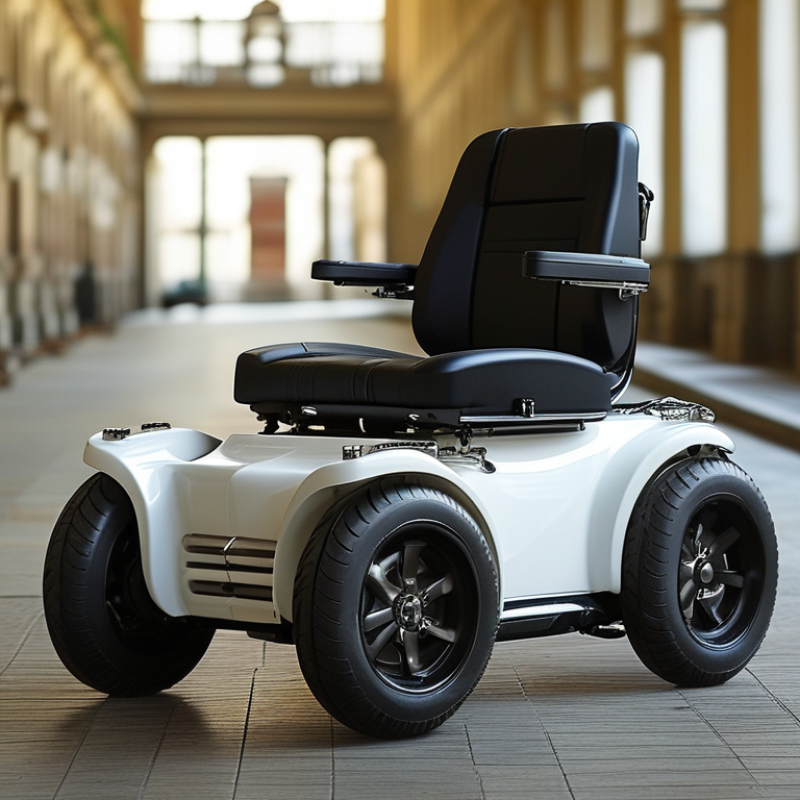
Top 10 Medical Scooters Everyone is Talking About?

Overview of Medical Scooters and Their Benefits

Medical scooters are essential for enhancing mobility for individuals with disabilities or mobility impairments. These scooters provide freedom and independence. They empower users to move around comfortably in various environments, whether indoors or outdoors. Many models come with features like adjustable seats, comfortable armrests, and easy-to-use controls.

The benefits of medical scooters extend beyond mere mobility. They can significantly improve the quality of life for users. Access to social activities and community involvement is crucial for mental health. Using a scooter can help maintain social connections that otherwise might be challenging. However, it's important to note that not all scooters are suitable for every user. Some may find specific models uncomfortable or difficult to navigate in tight spaces.

Choosing the right scooter requires careful consideration. Factors like weight capacity, terrain type, and user height are important. Users must test different models to find the best fit for their needs. Sometimes, experience with one model may not translate to another. Therefore, it's vital to seek advice from professionals who understand individual needs. This reinforces the importance of personalized solutions in enhancing mobility for all users.

Top 10 Medical Scooters Everyone is Talking About

Model Weight Capacity (lbs) Max Speed (mph) Range (miles) Turning Radius (ft) Features
Model A 300 5 20 45 LED lights, Adjustable seat
Model B 350 6 25 54 Padded armrests, Storage basket
Model C 300 4.5 18 50 Compact design, Easy dismantling
Model D 400 7 30 60 Enhanced suspension, High torque
Model E 350 5.5 22 48 User-friendly controls, Ergonomic design
Model F 300 4 15 47 Lightweight, Easy to transport
Model G 400 6.5 28 55 Smart brake, Front and rear lights
Model H 375 5.8 22 50 Comfortable seat, Adjustable speed
Model I 300 5 18 48 Portable, Battery indicator
Model J 350 4.5 16 49 Adjustable tiller, Large wheels

Criteria for Choosing the Right Medical Scooter

Choosing the right medical scooter involves several key criteria. Comfort is paramount. Research shows that a scooter designed with ergonomic seating can reduce discomfort significantly. A study conducted by the Rehabilitation Research and Training Center found that 78% of users prioritized comfort when selecting a scooter. Adjustability and personalization features are essential to cater to individual needs.

Safety is another critical factor. Look for scooters that offer anti-tip features and sturdy construction. According to the National Mobility Equipment Dealers Association, scooters equipped with proper safety mechanisms reduce the risk of accidents by 30%. User weight capacity should also align with the intended rider’s needs.

Tips: Always test the scooter before purchase. Engage with professionals who understand your specific requirements. Don't rush; consider long-term usability over immediate trends. Proper selection can prevent frustration down the line. Moreover, maintenance should be a consideration. Regular checks ensure the longevity and reliability of your medical scooter.

Top 10 Medical Scooters on the Market Today

Choosing a medical scooter can be overwhelming. It’s crucial to consider various factors. Weight capacity, battery life, and maneuverability play significant roles. You want to ensure that the scooter fits your lifestyle. Different terrains require different features. For example, rugged surfaces demand a sturdier design.

Comfort is also important. Some scooters come with adjustable seating and armrests. Take note of the turning radius. A scooter that’s too large may not navigate tight spaces well. Look for reviews from reliable sources to gauge user satisfaction. It helps to know what others experience.

Consider the scooter’s weight and foldability if you travel frequently. Portability can be a game-changer in terms of convenience. However, some users find light scooters less stable. This is where you may need to reflect on your priorities. A perfect match isn’t always available. Balancing your needs and preferences may take time, but it’s worth the effort.

User Reviews and Experiences with Each Scooter

When discussing medical scooters, user experiences shine a light on their effectiveness and comfort. Many users appreciate the ease of navigation these scooters provide. A common theme in reviews is the independence they restore. Users often share how these scooters allow them to enjoy outings with family and friends without feeling restricted.

Another important aspect is the scooter's maneuverability. Many users praise models that can easily navigate tight spaces. Some mention challenges with turning radius but find that practice improves their experience. Additionally, comfort is a significant factor—several reviews highlight the importance of adjustable seats. Complaints about uncomfortable seating are not uncommon, so ensuring proper fit is crucial.

Tips for potential buyers include trying before purchasing whenever possible. Test rides can reveal crucial information about comfort and handling. Consider your lifestyle and needs carefully. Selecting a scooter that fits your daily routine can greatly enhance your experience. Always read user reviews to get authentic experiences from those who have used the scooters extensively.

Comparative Analysis of Features and Pricing

When considering medical scooters, understanding features and pricing is crucial. Various reports indicate that prices can range widely, with average costs between $1,500 and $4,000. The design and capabilities of these scooters significantly influence pricing. For example, scooters with advanced suspension systems and higher weight capacities typically attract higher price points.

While many scooters offer basic functionalities, the best models provide additional features that enhance user experience. According to industry analyses, factors such as battery life, portability, and speed are essential for consumers. A scooter with a longer battery life, often 15 to 25 miles per charge, is essential for daily use. However, not all scooters meet these needs effectively. Some have been criticized for poor durability or limited features at higher price points.

Another important consideration is insurance coverage and potential financial assistance. A recent survey noted that only about 30% of users were aware of insurance options for their scooters. Numerous patients might miss out on essential support. This knowledge gap can lead to unexpected financial burdens. Therefore, it's essential to research thoroughly before making a purchase decision.

Start typing and press Enter to search