Top 10 Marine Fender Types for Your Procurement Needs?
Marine fenders are crucial for protecting vessels and docks during berthing. They absorb and dissipate energy, preventing damage. According to a report by Global Market Insights, the marine fender market is projected to reach $520 million by 2026. This growth underscores their vital role in port infrastructure.
Different types of marine fenders serve various applications. Foam-filled fenders, for instance, are lightweight and versatile. Pneumatic fenders offer high energy absorption, suitable for larger vessels. Data indicate that improper fender selection can lead to costly repairs and downtime, highlighting the need for informed decision-making.
As demand for marine transportation increases, so does the need for effective and reliable fenders. Yet, many organizations underestimate the importance of quality. A thorough understanding of fender types can enhance safety and efficiency. It's essential to evaluate these aspects carefully in procurement processes to avoid potential mishaps and enhance operational longevity.
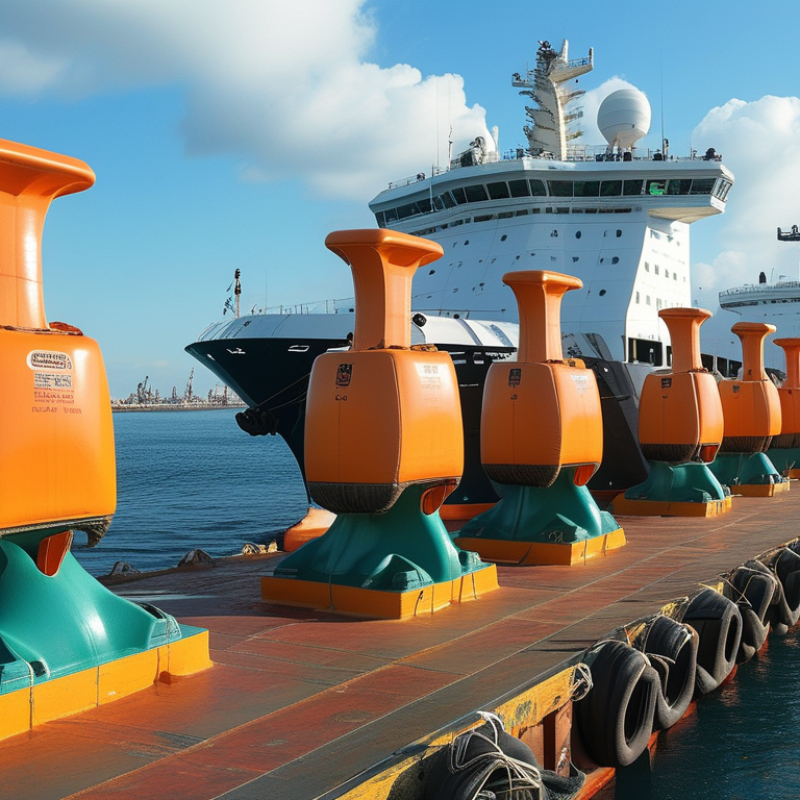
Overview of Marine Fenders and Their Importance in Maritime Operations
Marine fenders play a crucial role in maritime operations, ensuring the safety of vessels and structures during docking and berthing. As reported by the International Maritime Organization, the demand for reliable fender systems has increased significantly, driven by growth in shipping activity. Effective fender systems prevent damage and reduce maintenance costs, making them an essential component of port infrastructure.
When selecting marine fenders, it's vital to consider specific operational needs. Factors include vessel size, docking frequency, and environmental conditions. The American Society of Civil Engineers emphasizes the importance of tailored fender solutions to mitigate risks effectively. Inadequate or poorly designed fenders can lead to accidents, which may incur heavy financial losses.
Tip: Regularly inspect fender systems for wear and tear. Maintenance prevents unexpected failures and enhances longevity.
Investing in the right fender type helps safeguard assets. For example, pneumatic fenders are lightweight and suitable for various vessel sizes. However, they also require careful handling. Reflecting on previous management choices can provide insights into future procurement. Understanding the pros and cons of each type is critical for making informed decisions.
Tip: Consult industry reports and studies to stay updated on best practices. Always compare different fender types for your specific application to ensure optimal performance.
Types of Marine Fenders: A Comprehensive Classification Guide
Marine fenders play a crucial role in protecting vessels and berthing structures. These versatile devices come in various types, each suited for specific applications. Understanding the types can enhance procurement decisions and ensure optimal performance.
Inflatable fenders are popular because of their adaptability. They provide excellent energy absorption and are lightweight. However, they require proper maintenance to prevent punctures and leaks.
Another type, foam-filled fenders, offers durability and resilience against harsh marine conditions. Their closed-cell structure avoids water absorption, but they can be more expensive than other options.
Cylindrical fenders are known for their simplicity and effectiveness. They can be used in a range of docking scenarios. On the downside, their performance may vary based on installation angles. Other specialized fenders, like corner fenders and arch fenders, cater to specific berthing needs, yet each has unique limitations. When selecting a fender type, it’s vital to assess the environmental conditions and specific operational requirements.
Criteria for Selecting the Right Marine Fender for Your Needs
When choosing a marine fender, it's crucial to assess specific criteria tailored to your operational needs. One key factor is the fender type, which varies based on the docking environment. Different marine applications may require different materials and designs, impacting durability and performance. Common types include cylindrical, arch, and cone fenders, each offering various energy absorption rates.
Another critical aspect is the size and shape of the fender. These features affect how well the fender will absorb impact during docking. Ensuring the dimensions fit your vessels and facilities can enhance safety and efficiency. Structural integrity plays a significant role too; a well-engineered fender will withstand harsh marine conditions, but not all brands guarantee this.
It's important to consider maintenance requirements as well. Some fenders might need regular inspection and repair, adding to overall costs. Evaluating these factors can help you avoid common pitfalls. Investing time in research now could prevent future issues. Always stay informed about best practices in marine fender selection to ensure reliability for your operations.
Key Applications and Industries Utilizing Marine Fenders
Marine fenders play a crucial role across various industries, ensuring safe docking and berthing of vessels. They are essential in ports, shipyards, and offshore structures. According to recent reports by the International Maritime Organization (IMO), the demand for marine fenders is increasing as global trade expands. This growth is driven by the need to protect vessels and infrastructure from impact during loading and unloading operations.
The key applications of marine fenders are notable in the shipping and entertainment industries. In shipping, robust fenders are used in container terminals. These environments require durability to withstand the forces generated by large vessels. In the entertainment sector, floating fenders are often used for luxury yachts and cruise ships. A report by the Maritime Research Institute states that the global marine fender market is expected to reach $300 million by 2025, emphasizing the rising importance of these safety systems.
However, not all installations meet high-performance standards. Some older fender systems may not provide adequate protection, leading to damage. Regular assessments are necessary to ensure that fenders meet current safety regulations. Choosing the right type of marine fender can be complex, as distinct needs arise from diverse applications. Ultimately, understanding these applications and maintaining equipment is essential for enhancing safety and operational efficiency.
Top 10 Marine Fender Types for Your Procurement Needs
| Fender Type | Key Applications | Industries Utilizing | Material |
| Arch Fender | Port and dock protection | Shipping, Transportation | Rubber |
| S Pneumatic Fender | Ship-to-ship interface | Oil & Gas, Marine | Air Inflated Rubber |
| Cone Fender | Cargo ship berthing | Commercial Shipping | Rubber |
| Flat Fender | Small boat landing | Recreational Boating | Rubber |
| Cylinder Fender | Port facilities | Commercial Shipping, Fishing | Rubber |
| Replaceable Fender | High-impact areas | Logistics, Shipping | Composite Materials |
| D-Fender | Docking operations | Nautical Industry | Rubber |
| W Fender | Berth protection | Commercial Shipping | Rubber |
| Corner Fender | Corner protection for piers | Marine Facilities | Polyethylene/Rubber |
| Bumper Fender | Recreational docks | Private Yachts, Marinas | Foam or Rubber |
Maintenance and Care Tips for Prolonging Fender Lifespan
Marine fenders play a crucial role in protecting marine vessels during docking. However, their lifespan can be significantly affected by maintenance and care practices. Regular inspection and timely repairs help mitigate wear and tear. According to a report by the International Maritime Organization, proper fender maintenance can extend their lifespan by 30% or more.
One effective way to prolong fender life is routine cleaning. Remove debris and salt deposits that can degrade materials. Use gentle detergents and a soft brush to clean surfaces. Additionally, check for signs of UV damage and replace fenders that show significant wear. Some fenders can endure harsh conditions, yet they are not invulnerable.
Another essential tip is to ensure proper storage. When not in use, store fenders in a cool and dry place. Avoid stacking them in a way that could cause deformation. Remember that environmental factors play a significant role. High temperatures and direct sunlight can weaken materials over time. Stay vigilant to safeguard your investment.
Top 10 Marine Fender Types for Your Procurement Needs
This chart showcases the durability ratings of various marine fender types, which are essential for procurement decisions. The ratings indicate how well each fender type is likely to perform under typical marine conditions, helping you select the best options for your needs.