Top 10 EV Power Stations for Global Buyers

Choosing an Ev Power Station for international use is not just a matter of comparing charging speed. Buyers also need to consider connector compatibility, electrical supply, weather protection, portability, and local service support. A unit that works well in a showroom may behave differently in a cold driveway or a crowded fleet depot. Real conditions matter.

IEA Executive Director Fatih Birol has described the wider energy transition as the “Age of Electricity.” That shift makes dependable charging equipment increasingly important. Still, no single station suits every buyer. A homeowner may value compact size and simple installation, while a commercial operator may prioritize multiple connectors, load management, and clear maintenance procedures. Check the manufacturer’s technical specifications, warranty terms, and verified product documentation before comparing models.

Details count. A cable’s reach can determine where a vehicle parks. A poorly matched connector can make a promising purchase inconvenient. This guide’s Top 10 list compares practical features for global buyers, including power options, usability, safety provisions, and support availability. It does not treat a high power rating as proof of overall quality. Some product information may also change by market, and that deserves a second look. The best choice is the one that fits the vehicle, site, and everyday routine—not simply the most impressive brochure.
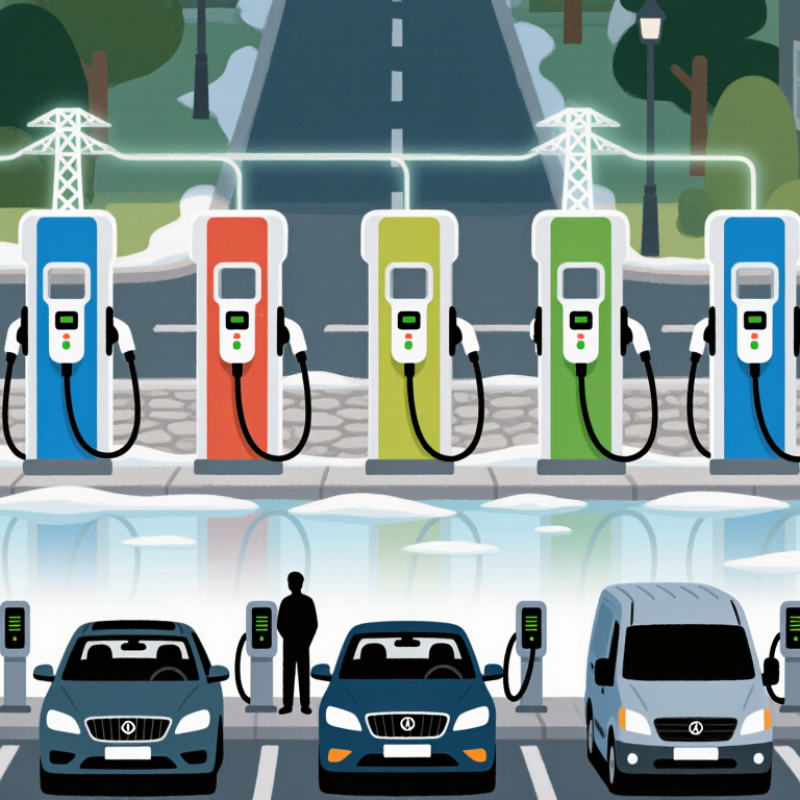
Top 10 EV Power Stations for Global Buyers

Understanding EV Power Stations and Their Main Types

An EV power station is equipment that supplies electricity to an electric vehicle, either at home, work, or a public charging site. The term can describe several charging setups, not one universal device.

With AC charging, the station provides alternating current, and the vehicle’s onboard charger converts it for the battery. Home units commonly use this approach. A cable may hang beside a garage wall, while the car charges for several hours overnight.

Small details matter.

DC fast-charging stations convert power inside the station and send direct current to the vehicle’s battery. They can add range much faster, but actual speed depends on the car, battery temperature, and available site power.

Portable EVSE units form another category: they connect a vehicle to a suitable outlet, but are not independent battery power sources.

That distinction is easy to miss.

For buyers, compare connector compatibility, rated output, installation needs, cable reach, and weather protection. A high power rating alone does not guarantee faster charging; the vehicle and electrical supply also set limits.

Check the details carefully.

The categories sound straightforward, yet labels and ratings can vary, so confirm technical specifications before choosing.


How Global Buyers Can Compare Power, Connectors, and Standards

Global buyers should compare usable output, not just the highest number on a product sheet. AC units commonly serve overnight or workplace charging, while DC units suit shorter stops. Check whether listed power is shared across outlets. A 120 kW unit may deliver less when two vehicles charge together. The IEA’s Global EV Outlook 2024 reported more than 4 million public charging points worldwide in 2023, with fast chargers reaching 1.2 million. More choices mean more chances of a mismatch.

Connector fit is only part of the decision. Compare the vehicle’s inlet, local grid voltage, and the charger’s supported charging protocol. IEC 62196 covers charging plugs and sockets; IEC 61851 addresses conductive charging systems. ISO 15118 defines communication between vehicles and chargers, but support varies by model and equipment. Confirm these details in technical documents, not just sales listings. A neat specification can still hide a practical gap.

Tips: Ask for output per connector at full load, temperature derating, and network compatibility. Check enclosure ratings for the installation environment, too. A charger tested in mild weather may behave differently in a hot, exposed parking area. Small detail, big difference.

Top 10 EV Power Stations for Global Buyers

Global buyers comparing the top 10 EV power stations should start with the charging site, not the advertised maximum output. A compact home AC unit suits a driveway with overnight parking. Tethered and socketed wallboxes offer different cable-storage trade-offs. Portable chargers can help on trips, but they usually charge more slowly. Small details matter.

Other strong options include dual-outlet stations for shared parking, load-managed units for limited electrical capacity, solar-compatible chargers, outdoor-rated pedestals, fleet chargers, and DC fast chargers for high-turnover sites. That makes ten useful categories, not a universal ranking. A unit rated for one grid may not suit another. Check connector compatibility, voltage, frequency, local installation requirements, and available electrical capacity before buying.

For a practical comparison, ask for documented output ratings, safety certifications applicable to the destination market, warranty terms, and clear service support. Look closely at the enclosure rating if the charger will face rain, dust, or temperature swings. A screen full of features is not proof of reliability. Installation quality matters too, and buyers sometimes overlook it. I would compare real charging needs against the specification sheet, then have a qualified local installer confirm the electrical setup.

Key Features and Ideal Use Cases of the Top Models

For global buyers, compare usable watt-hours, continuous output, surge capacity, and charging options—not headline capacity alone. EIA reports that U.S. customers experienced an average 5.6 hours of power interruptions in 2022, including major events. That makes a mid-capacity station useful for routers, phones, lights, and a small refrigerator during outages. Check the refrigerator’s startup surge; its running wattage can hide the real requirement. Small loads matter.

Higher-capacity models suit longer outages, workshops, or campsite cooking, while lighter units are easier to carry between a car and a tent. Look for USB-C output, protected AC outlets, clear battery-management safeguards, and solar-input limits. Buyers crossing regions should verify output voltage and frequency: a 120-volt unit may not suit a 230-volt appliance. IEA’s Global EV Outlook 2024 reports that public EV charging points grew by about 40% in 2023, to nearly four million. Portable stations can support travel electronics, but they are not practical substitutes for dedicated EV charging.

Catalog figures can mislead. Rated capacity does not equal energy delivered through every outlet; conversion losses, temperature, and load affect runtime. A model with a solar input may still charge slowly under clouds. For short trips, low weight and fast recharging may matter more than maximum capacity. For emergency use, test essential devices at home—ideally before the lights go out.

How to Choose and Install an EV Power Station for Your Needs

Choosing an EV power station starts with your daily driving, not the highest number on a brochure. Estimate how many kilometres you travel and how long the vehicle stays parked. A 7-kW unit may suit an overnight home charge, while shared sites may need load management. Check that the connector matches your vehicle and that the unit supports the electrical supply where it will be installed. Small details matter. Look for clear power ratings, weather protection for outdoor locations, and straightforward fault indicators. A neat spreadsheet can still miss real habits, like late arrivals or two cars charging together.

Installation begins with a site check. Ask a qualified electrician to assess the wiring, distribution panel, earthing, and available capacity. The cable route matters: a short, protected run is usually simpler than crossing a damp garage or busy driveway. Confirm local approval and installation requirements, since electrical standards differ between countries. Do not use an ordinary extension cord as a permanent charging solution.

Before work starts, agree on the unit’s location, mounting height, and cable reach. Have the electrician test the circuit and explain how to shut off power safely. Keep the manual and installation records for maintenance. Not every home needs the most powerful option; upgrading the electrical supply can cost more than expected. That trade-off deserves a second look.

Start typing and press Enter to search