Top 10 Car PPF Film Brands for Global Buyers
Choosing among the Top 10 Car PPF Film Brands for Global Buyers takes more than comparing gloss, price, or warranty length. Paint protection film must handle real contact: gravel flicking against a bumper, fingernails catching door cups, and repeated washing under direct sunlight. Grand View Research’s automotive paint protection film market analysis tracks rising demand for vehicle surface protection, while S&P Global Mobility reported that the average age of U.S. light vehicles reached 12.6 years in 2024. Longer ownership makes durable protection more relevant, though film quality alone cannot prevent every chip or scratch.
The comparison should weigh film clarity, thickness, self-healing performance, adhesive behavior, stain resistance, and warranty terms. Installation matters just as much. A premium roll can still show lifted edges if the panel was poorly cleaned or fitted. Detailing educator Mike Phillips’ practical guidance can be summarized this way: prioritize careful surface preparation and sound installation over marketing claims. Treat that as a principle, not a guarantee of a perfect result.
Look closely at the details. Can the film conform around a curved mirror? Does its finish suit a dark hood, where haze and dust show quickly? Are local installers trained to fit that specific product? Brand rankings can help narrow the field, but they cannot replace an inspection of samples, written warranty conditions, and installer experience. Some comparisons also rely on manufacturer specifications, which deserve independent checking. That limitation matters. The strongest choice is not always the most famous brand; it is the film and installer that match the vehicle, climate, and owner’s expectations.
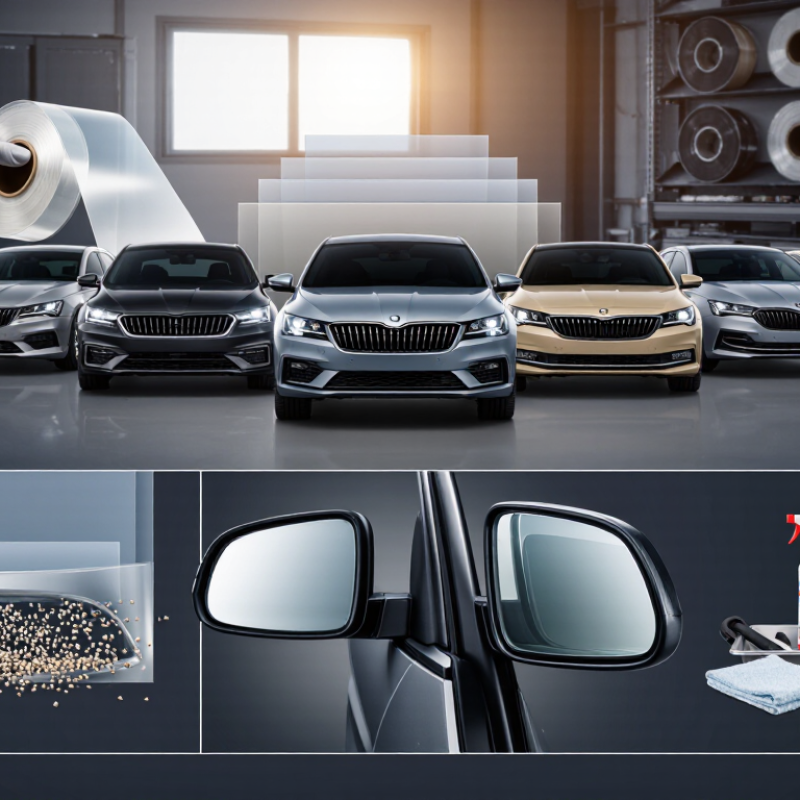
Car PPF Film: Materials, Functions, and Main Performance Features
Top 10 Car PPF Film Brands for Global Buyers
Car PPF Film: Materials, Functions, and Main Performance Features
Modern car PPF usually uses thermoplastic polyurethane, or TPU. It combines flexibility, impact resistance, and optical clarity. Aliphatic TPU generally offers stronger color stability than aromatic TPU. A clear adhesive layer bonds the film to painted surfaces. It must resist lifting around mirrors, edges, and curved bumpers. No film is flawless.
The main function is sacrificial protection. PPF absorbs damage from road grit, insects, light scratches, and minor stone impacts. Many premium films include a self-healing topcoat. Heat can soften shallow marks, but deep cuts still require replacement. Thickness often ranges from about 6 to 10 mils, depending on construction. Thicker does not always mean better. Poor flexibility can increase installation tension and edge failure.
Performance should be verified through measured data, not showroom language. ASTM-based abrasion, weathering, tensile, and adhesion tests provide useful comparison points. Grand View Research’s 2024 automotive paint protection film analysis indicates market growth of roughly 6% annually through 2030. MarketsandMarkets also identifies TPU durability and rising vehicle ownership as major demand factors. These reports show commercial momentum, not guaranteed product quality. In field installation, surface preparation remains critical. Dust under the film becomes visible. Temperature, stretch control, and curing time also affect results. Buyers should request test conditions, warranty limits, yellowing data, and real installation samples. A certificate alone can be incomplete.
Evaluation Criteria for Comparing Global Car PPF Film Brands
Comparing global car PPF film brands requires more than checking thickness or price. A reliable evaluation starts with verified material data, production consistency, and installer feedback. Look for aliphatic polyurethane, stable optical clarity, and resistance to yellowing under strong sunlight. A film may look impressive indoors, yet change after months of heat exposure.
Test the film’s finish under direct light. Check for orange peel, dust marks, edge lifting, and uneven adhesive flow. Self-healing performance also needs practical testing. Light scratches should disappear with warm water, not only with a showroom heat lamp. Water repellency matters, but it should not hide weak surface durability. Independent laboratory reports, batch numbers, and transparent warranty terms improve credibility.
Installation behavior deserves equal attention. A good film should stretch smoothly around mirrors, bumpers, and sharp curves without excessive whitening. Adhesive should allow repositioning, but not remain soft after installation. In field inspections, climate often changes the result. Humid coastal air, dry deserts, and freezing roads expose different weaknesses. No film is perfect. I would question any claim promising permanent clarity or scratch protection. Price comparisons can mislead when coverage, warranty support, and installer training differ. Reviewing repair procedures and long-term owner feedback gives buyers a more realistic basis for choosing protection.
Top 10 Car PPF Film Brands and Their Distinctive Strengths
Top 10 Car PPF Film Brands and Their Distinctive Strengths
Global buyers compare PPF brands by measurable performance, not attractive packaging. A clarity-focused manufacturer may deliver glass-like transparency on white paint. Another excels at self-healing, reducing fine marks after warm water exposure. Some films produce stronger water beading, helping rain slide from mirrors and hoods. Small details matter.
A high-impact specialist may use a thicker elastomer layer for highway debris. An adhesive expert can reduce edge lifting around badges and deep body curves. A flexible-film producer makes installation easier on bumpers, door cups, and sharp contours. One brand may resist yellowing under intense sunlight. Another focuses on stain resistance against insects, tree sap, and road tar. These strengths rarely appear equally in one product.
Durability testing should include gloss retention, peel strength, thickness consistency, and outdoor exposure. A premium-looking film can still install poorly. That is an uncomfortable truth. The strongest color-stability systems usually suit hot climates and long ownership periods. Some manufacturers offer several thickness choices, balancing protection with nearly invisible fitting. Others stand out through technical documentation, installer training, and responsive warranty handling. Buyers should inspect sample panels, test roll memory, and question vague performance claims. A reliable supplier explains limitations, including possible edge contamination and maintenance needs. Perfect protection does not exist. Experienced installers know this.
Brand Comparison by Protection, Finish, Warranty, and Market Coverage
Choosing among the top car PPF film brands requires more than comparing prices. Protection should remain the main test. Look for strong resistance against stone chips, road salt, insects, and light scratches. A reliable film should recover minor marks under heat without becoming cloudy. During installation, experienced technicians should check edge wrapping, paint compatibility, and panel curvature. Small lifting points around mirrors often reveal weak preparation.
Finish also affects the buying decision. High-gloss films can deepen paint color, while matte films create a softer, factory-style appearance. Some buyers prefer colored or satin effects, but matching repaired panels may become difficult. Warranty terms deserve close reading. Check coverage length, yellowing protection, peeling conditions, and transfer rules. A long warranty sounds impressive, yet unclear exclusions can reduce its real value.
Tips: Request physical samples before ordering. View them outdoors, under garage lights, and beside your vehicle’s existing paint. Ask for installation photos from similar car models. Market coverage matters too. A supplier with regional installers, replacement support, and stable stock can reduce delays across borders. Still, global availability does not guarantee equal service quality. I have seen excellent films perform poorly after rushed installation. The film is only one part of the result. Improper cleaning, harsh chemicals, or neglected edges can shorten its useful life. Compare protection, finish, warranty, and local support together, not separately.
Top 10 Car PPF Film Brands for Global Buyers
Global PPF Buyer Reference: Commonly Published Product Specifications
This reference chart summarizes common specifications found across the global paint protection film market. Premium PPF products are commonly based on aliphatic TPU, typically measure around 6–8 mil in thickness, offer approximately 5–10 years of warranty coverage, and are available in gloss, matte, and satin finishes. Actual specifications vary by product, region, installation quality, and warranty terms.
Global Buying Considerations: Certification, Installation, and After-Sales Support
For global buyers comparing the top 10 car PPF film brands, certification deserves more attention than glossy brochures. Look for verified test reports covering yellowing resistance, tensile strength, adhesion, and weather exposure. Confirm the issuing laboratory and test date. A logo alone proves little. Regional compliance may also differ, so buyers should check import, labeling, and chemical documentation before placing large orders.
Installation quality can determine whether premium film performs well. Ask for installer training records, application guidelines, and recommended tools. A controlled workshop should limit dust, maintain stable temperature, and use clean slip solution. Inspect sample edges around mirrors, door handles, and curved bumpers. Small lifting marks often appear there first. Poor preparation can damage paint or create visible contamination beneath the film. Even experienced installers make mistakes, especially with unfamiliar film behavior.
After-sales support should be practical, not decorative. Request written warranty terms, claim procedures, replacement conditions, and response timelines. A reliable supplier can provide batch tracking and troubleshooting advice for shrinkage, bubbles, or adhesive marks. Keep installation photos and purchase records. They may become essential during a dispute. Buyers should also test communication before ordering: slow replies during negotiation may signal weak support later. No system is perfect. Some warranty promises sound strong until local labor, shipping, or climate conditions complicate a claim.