The auto parts industry is at a critical juncture. By 2026, trends are shifting rapidly due to technology and consumer preferences. According to a recent market analysis, the global auto parts market is expected to grow significantly. Studies indicate a compound annual growth rate (CAGR) of around 4.2% from 2021 to 2026. This growth reflects changing demands in electric vehicles and sustainability initiatives.
Electric vehicles (EVs) are revolutionizing the auto parts landscape. A report notes that EV parts differ greatly from traditional components. As more consumers choose EVs, suppliers must adapt. This transition presents challenges for companies used to conventional auto parts. The shift necessitates a reevaluation of existing inventory and production strategies.
In addition to technology, consumer behavior plays a crucial role. A study showed that 70% of consumers prioritize eco-friendly products. This indicates a demand for sustainable auto parts. However, the supply chain struggles to keep pace with this shift. Companies must navigate these trends carefully. Otherwise, they risk falling behind in a competitive market.

As we move towards 2026, the auto parts manufacturing industry is evolving rapidly. One major trend is the incorporation of 3D printing technology. This method allows for the rapid prototyping of parts. It reduces waste and enhances design flexibility. However, the precision of 3D printing still has room for improvement. There are concerns about the durability of printed parts.
Another emerging technology is the use of advanced materials. Lightweight composites are becoming more popular. They enhance fuel efficiency and reduce emissions. Yet, integrating these materials poses challenges in production. The cost of these materials can also be high. Manufacturers must weigh benefits against expenses.
Automation through robotics is also changing production lines. Robots can assemble parts faster than humans. This leads to increased productivity. However, reliance on automation creates issues, such as job displacement. The need for skilled workers to oversee these systems is vital. Balancing technology with human involvement must be a priority for future success.
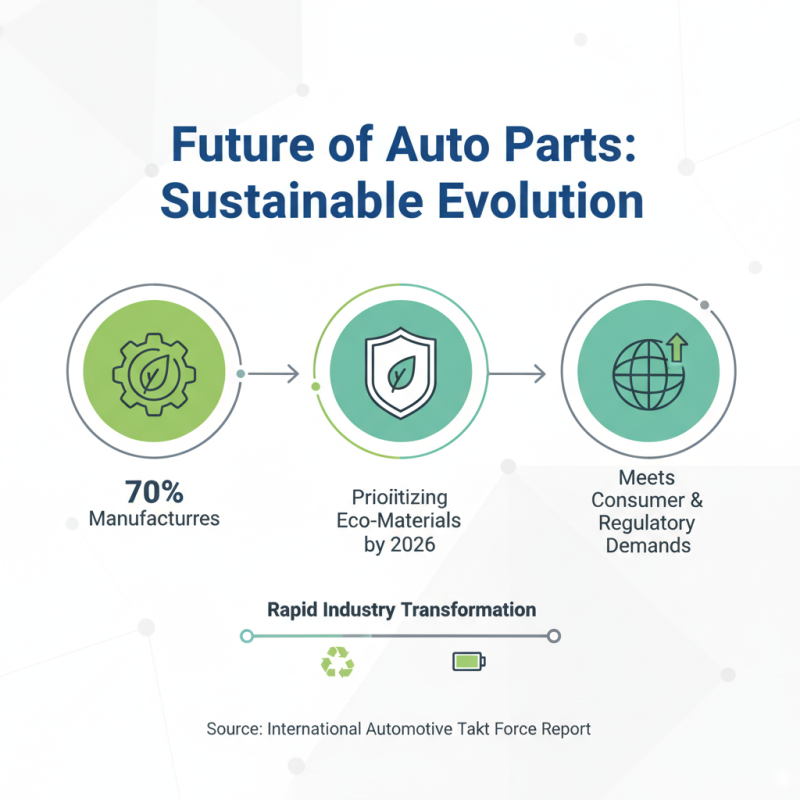
The auto parts industry is rapidly evolving, with sustainability at the forefront of its transformation. A recent report by the International Automotive Task Force indicates that about 70% of manufacturers are prioritizing eco-friendly materials in their production processes by 2026. This focus on sustainability not only meets consumer expectations but also addresses rising regulatory pressures globally.
Additionally, the adoption of recycled materials is anticipated to grow significantly. Industry research shows a projected 50% increase in the use of recycled components in new auto parts by 2026. This shift is driven by both environmental concerns and the economic advantages of using lower-cost recycled materials. However, challenges remain, such as the quality and consistency of these materials. Manufacturers must navigate these complexities to meet strict safety standards while embracing eco-friendly practices.
Electric vehicles (EVs) are also reshaping the landscape of auto parts. According to market analysis, EVs are expected to constitute nearly 30% of total vehicle sales by 2026. This surge presents a unique challenge. It requires innovations in battery production and waste management. Companies are learning to balance sustainable production with performance and safety, as they adapt to an ever-changing industry. The future is promising, but these companies must continue to refine their strategies to achieve true sustainability.
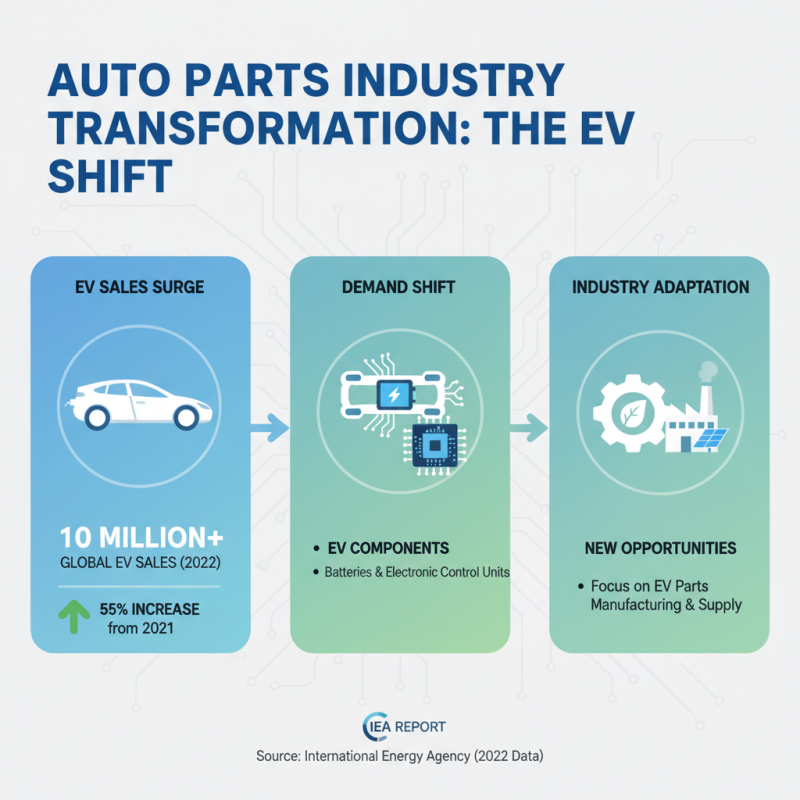
The auto parts industry is undergoing a significant transformation as electric vehicle (EV) components gain traction. According to a recent report by the International Energy Agency, electrical vehicle sales surpassed 10 million globally in 2022, representing a 55% increase from the previous year. This surge indicates a shift in demand for auto parts that cater to EVs, such as batteries and electronic control units.
As the industry pivots, traditional parts manufacturers face both challenges and opportunities. The growing reliance on complex software and electrical systems means that suppliers must adapt quickly. Reports suggest that by 2026, EV components may account for over 30% of the total automotive parts market. However, not all companies are ready. Many lack the infrastructure to pivot towards EV solutions, which could hinder growth and competitiveness.
While the investment in EV components is essential, it’s not without risks. Components like battery management systems are still evolving. There are concerns about safety, recycling, and sustainability. The market must address these issues to build consumer trust. As the landscape changes, companies need to continually evaluate their strategies to keep pace with technological advancements and shifting consumer preferences.
The auto parts industry is on the verge of transformation due to automation and AI. Factories are increasingly using robots for assembly and quality control. These machines can work tirelessly, reducing labor costs and increasing efficiency. However, they also pose challenges. Can we depend entirely on machines for precision? Errors can still happen, and human oversight remains necessary.
AI plays a crucial role in predicting demand and optimizing supply chains. Advanced algorithms analyze data to forecast trends accurately. This capability can minimize waste and improve inventory management. However, reliance on AI also raises questions about data privacy and security. How do we ensure that sensitive information stays protected?
Investments in automation will push the industry forward, but the human factor is irreplaceable in many respects. Workers need re-skilling to adapt to new technologies. This creates a gap that must be bridged. Ensuring a smooth transition for workers and technology is vital for future success. The balance between innovation and human input will define the industry's next chapter.
| Trend | Description | Impact Level | Expected Adoption Rate |
|---|---|---|---|
| Increased Automation | Utilizing robotics and automated systems in manufacturing processes. | High | 75% |
| AI-Driven Quality Control | Integrating AI systems for defect detection and quality assurance. | Medium | 65% |
| Data-Driven Decision Making | Leveraging big data analytics for better production strategies. | High | 80% |
| Sustainability Innovations | Focus on eco-friendly materials and production processes. | Medium | 60% |
| Supply Chain Automation | Automation of supply chain processes to enhance efficiency. | High | 70% |
| Customization through AI | AI applications for customized parts production tailored to consumer needs. | Medium | 55% |
The auto parts sector is evolving rapidly. Consumer preferences are shifting toward sustainability and technology integration. In a recent industry report, 72% of consumers expressed a desire for eco-friendly auto parts. This indicates a significant demand for products made from recycled materials. Companies that fail to address this trend may lose market share.
Additionally, the rise of electric vehicles (EVs) is changing market dynamics. A study showed that 65% of consumers prioritize electric-compatible parts. As the EV market grows, so does the need for specialized components. This highlights gaps in current offerings. The challenge is not just meeting demand, but also innovating.
Customer engagement is becoming a vital factor. Many young consumers seek brands with a strong social responsibility profile. Reports suggest that 58% of this demographic are willing to pay more for sustainable products. Ignoring these preferences can lead to missed opportunities. The auto parts market must adapt to the changing landscape, but the journey is complex.
Logel’s Auto Parts
116 Bridge St East
Kitchener, Ontario
N2K 1J6
Phone: 519-745-4751
Toll Free: 1-800-818-9118
Hours 8:00-5:00 Monday to Friday
At Logel’s Auto Parts, we serve a range of communities in Southern Ontario, including:
Sign up today for the latest updates from the Logel’s Auto Parts team, including pricing for scrap vehicles, our newest product lines, current operating hours, and much more.