Top Tips for Sourcing Scrap Parts Globally?

In today’s global economy, sourcing scrap parts has become a critical challenge. According to the Global Recycling Foundation, the scrap metal industry is expected to reach $496 billion by 2025. This presents opportunities for businesses looking for cost-effective solutions. Scrapyards and industrial waste form a rich source of reusable materials. However, navigating this complex market requires expertise.

Many companies struggle with inconsistencies in quality and supply. Reports indicate that over 30% of scrap parts sourced may not meet industry standards. This highlights the need for careful evaluation and trusted suppliers. Understanding global market trends is crucial. Some regions have stricter quality regulations than others, impacting where businesses should source materials. Developing a reliable network can mitigate risks.

Effective sourcing of scrap parts demands a strategic approach. Businesses must consider factors such as logistics, market fluctuations, and supplier reputation. Not all suppliers are equal, and not all scrap parts are viable for reuse. Frequent reassessment of partnerships is essential. Companies must remain vigilant in ensuring that sourced materials align with their production needs and sustainability goals.

Top Tips for Sourcing Scrap Parts Globally?

Identifying Reliable Global Suppliers for Scrap Parts

When sourcing scrap parts globally, identifying reliable suppliers is crucial. The global scrap metal industry is projected to reach over $500 billion by 2027, emphasizing the importance of finding trustworthy partners. Many businesses face challenges in securing high-quality scrap. Therefore, thoroughly vetting suppliers is essential.

One effective tip is to check their certifications. Reliable suppliers often hold industry-specific certifications. They show commitment to quality and compliance. You can also request references from previous customers. This provides insight into their reliability and service quality.

Another approach is to leverage online platforms and trade shows. Attending industry events can facilitate direct interactions with potential suppliers. Building relationships is vital. However, do not overlook potential red flags. Late deliveries or poor communication can indicate future issues. Always conduct a trial order before committing to larger quantities. This strategy helps mitigate risks while establishing a lasting partnership.
Understanding Market Trends in Scrap Parts Sourcing

Top Tips for Sourcing Scrap Parts Globally?

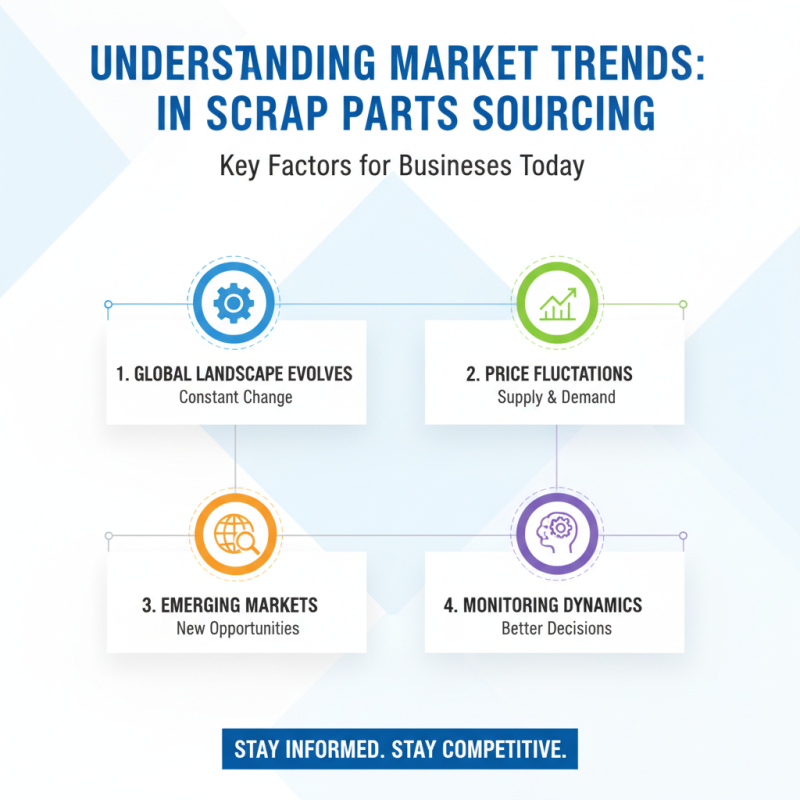
Understanding market trends in scrap parts sourcing is crucial for businesses today. The global landscape is evolving. Prices fluctuate based on supply and demand. Emerging markets often provide fresh opportunities. Monitoring these dynamics can lead to better sourcing decisions.

Data is key. Analyzing purchasing patterns helps identify high-demand categories. For instance, metals like copper and aluminum are frequently sought after. However, over-reliance on these materials can lead to vulnerability during market shifts. Buyers should diversify their sources to mitigate risks.

Cultural factors also play a role in sourcing. Practices differ across regions. Building relationships with local suppliers can yield benefits. Language barriers may hinder communication. Take time to understand the local market. This knowledge can lead to more informed choices and successful partnerships. Think critically about your sourcing strategies. Adaptability is essential in navigating the complexities of global scrap parts sourcing.

Evaluating Quality Standards for Scrap Parts Worldwide

Evaluating quality standards for scrap parts globally requires careful consideration. Different regions have varying regulations and expectations regarding quality. Understanding these differences is crucial for ensuring that sourced parts meet necessary standards.

It's essential to verify the certifications and testing methods used in the region you are sourcing from. You might find a supplier claiming high standards without any real proof. Ask for documented evidence of quality checks. Not all suppliers will provide this willingly; some may need reminders or further inquiries.

Communication plays a vital role in this process. Regular follow-ups can help you gauge the reliability and accountability of your suppliers. Be prepared to inspect shipments upon arrival. Even if the parts look fine, hidden issues can emerge. Quality assurance doesn't stop once the parts are shipped; it continues through the entire supply chain. Staying proactive can minimize risks and ensure better quality management.

Utilizing Technology for Efficient Scrap Parts Procurement

Top Tips for Sourcing Scrap Parts Globally?

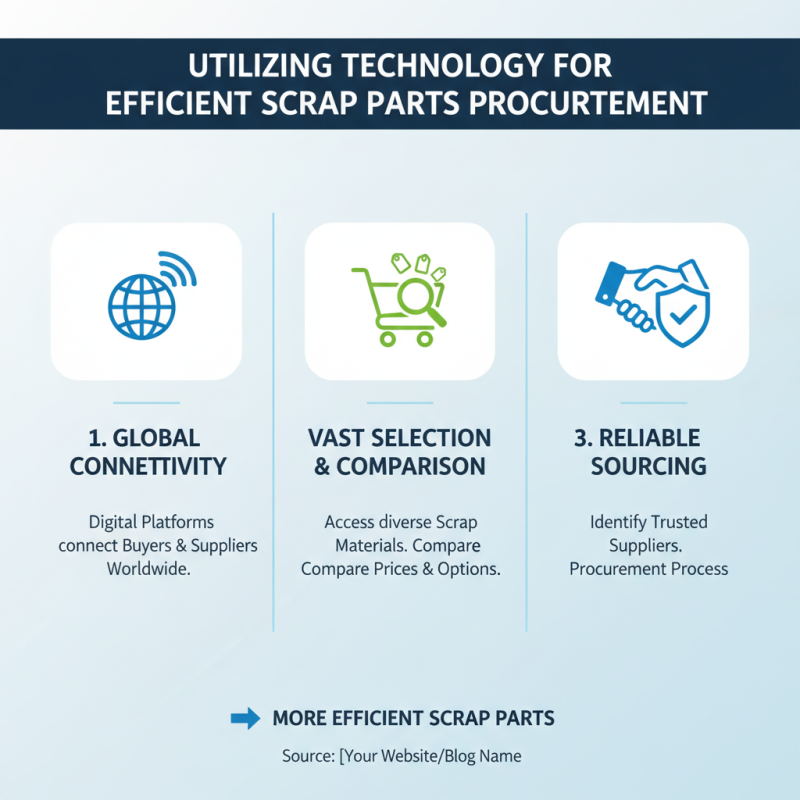
In today’s global market, sourcing scrap parts efficiently is a challenging task. Technology plays a crucial role in streamlining this process. Digital platforms enable buyers and suppliers to connect easily. By using online marketplaces, businesses can access a vast array of scrap materials from around the world. These platforms allow for price comparisons and help identify reliable suppliers.

Utilizing data analytics can enhance procurement strategies. By analyzing trends and market demands, companies can make informed decisions. This approach reduces costs and improves sourcing efficiency. However, relying solely on data can have its downsides. Situational factors and supplier reliability should also be factored in. Failing to evaluate partners beyond data may lead to poor procurement choices.

Mobile apps further assist in efficient sourcing. These tools provide real-time updates and notifications about market fluctuations. Users can manage orders on the go. Yet, technology is not infallible. Issues like system outages or inaccuracies in data can disrupt procurement. Reflection on the integration of technology into sourcing strategies is essential for long-term success. Balancing technology with human insight creates a more robust procurement process.

Navigating Legal and Environmental Considerations in Sourcing Scrap Parts

Navigating legal and environmental considerations in sourcing scrap parts is crucial for businesses. According to a report by the International Trade Centre, global trade in scrap materials reached $420 billion in 2019. However, sourcing responsibly is vital. Many countries have specific regulations governing the import of scrap materials. Failure to comply can lead to hefty fines or penalties.

Ensuring compliance with local laws is essential. The Basel Convention regulates the transboundary movements of hazardous waste. Organizations should familiarize themselves with these regulations to avoid legal pitfalls. Additionally, some regions have stricter rules than others, complicating the sourcing process. This discrepancy can mislead companies into making unintentional mistakes.

Environmental considerations also play a significant role. The recycling process can consume large amounts of energy. A study by the Environmental Protection Agency indicates that recycling metals can save up to 95% energy compared to new material production. Acknowledging the carbon footprint is important for businesses aiming for sustainability. Addressing these complexities is not straightforward. Companies must evaluate their practices consistently and seek reliable partners.

Start typing and press Enter to search