Running a successful auto store is both rewarding and challenging. The auto industry is competitive, with many businesses vying for attention. Success requires a keen understanding of market trends and customer needs.
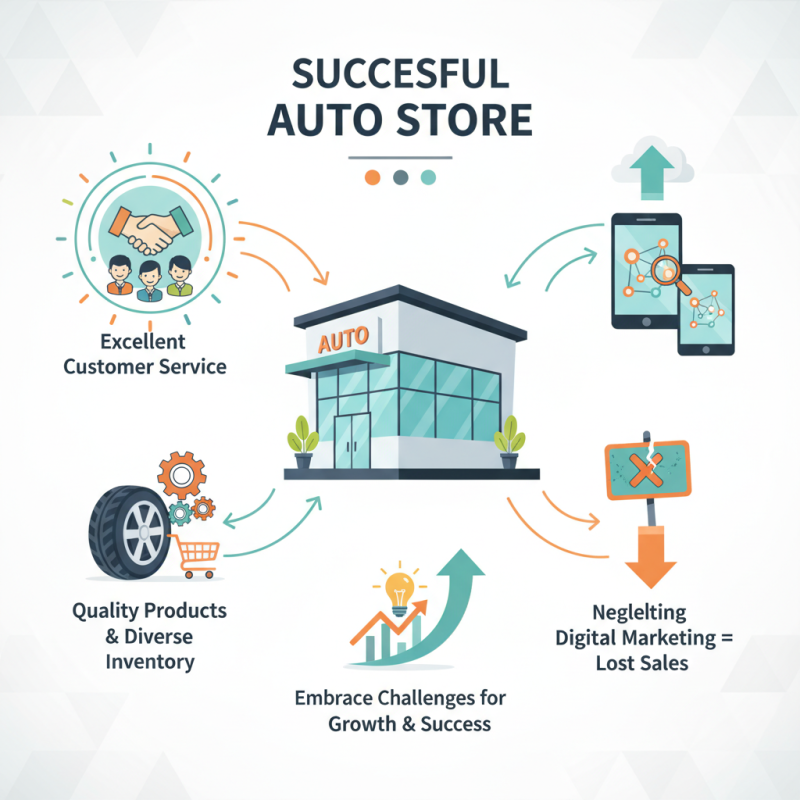
One crucial aspect is excellent customer service. Personalize interactions to create loyalty. Satisfied customers often return, bringing friends along. Quality products are vital, too. Ensure that the inventory is diverse and up to date. This keeps customers engaged and returning for more.
However, not every auto store thrives. Some shop owners overlook the importance of online presence. In today's world, digital marketing is essential. Neglecting this can result in lost sales. Reflecting on these areas can lead to impactful changes. Embrace challenges for growth and success.
The auto store market is evolving rapidly in 2023. One key trend is the increased demand for electric vehicle accessories. Customers seek chargers, battery management systems, and specialized tires. Stores that align their inventory with this shift can appeal to a broader clientele. However, many entrepreneurs overlook these changes, resulting in missed opportunities.
Online shopping is another significant trend. Many consumers prefer purchasing auto parts online. This shift means physical stores need to enhance their online presence. Investing in an easy-to-navigate website is essential. Yet, some stores struggle with digital marketing. They rely on outdated methods that don’t attract the younger demographic. It's crucial to adapt or risk becoming obsolete.
Statistics indicate a growing number of DIY automotive projects among consumers. They want high-quality parts for personal repairs. This trend opens up a chance for auto stores to offer workshops and tutorials. However, not all stores capitalize on this idea. Many fail to create a community around their brand. Building relationships can be as important as selling products. Stores should reflect on their engagement strategies to foster loyal customers.
This chart illustrates the projected sales growth across different segments of the auto store market in 2023. The data reflects the increasing demand for automotive parts, accessories, and services, highlighting trends that business owners should consider for strategic planning.
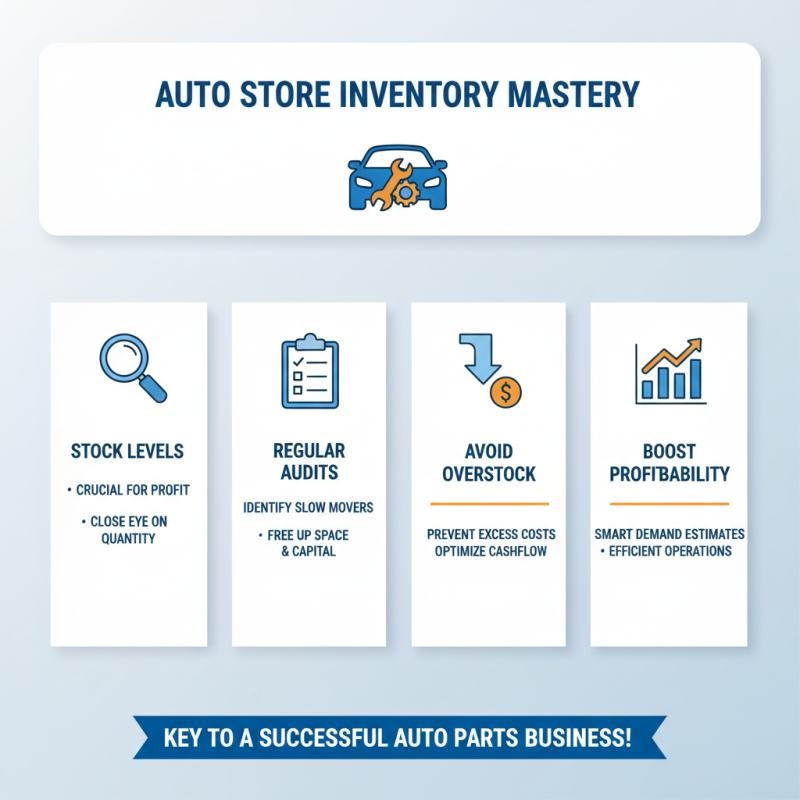
Effective inventory management is crucial for a successful auto store. To maintain a profitable operation, it's vital to keep a close eye on stock levels. Regular audits can help. They identify slow-moving items that take up valuable space and capital. Sometimes, we find ourselves overestimating demand. This can lead to excess inventory and unnecessary costs.
Utilizing inventory management software is beneficial. It streamlines tracking and helps predict trends. However, relying solely on technology isn’t ideal. Human oversight is still needed to spot anomalies. Engaging with customers can provide insights too. Their feedback may reveal what sells well and what doesn’t.
Seasonal fluctuations also impact inventory. Certain parts and accessories may fly off the shelves in peak seasons. But during off-peak times, sales may slump. Being adaptable is key. Setting realistic reorder points and maintaining flexible stock levels can help combat this. The goal is to balance having enough stock to meet demand without overcommitting resources.
In today's digital age, having a strong online presence is crucial for auto store success. Many owners still neglect their digital marketing strategies. A well-optimized website can showcase your inventory effectively. It should load quickly, be mobile-friendly, and have clear navigation. Potential customers often leave if a site is difficult to use. Consider investing in a professional design if needed.
Social media platforms are another powerful tool. They allow direct interaction with customers and can drive traffic to your store. Create engaging posts that highlight new arrivals or promotions. However, avoid over-posting or constant sales pitches. This can frustrate followers and lead to disengagement. Balance is key in maintaining interest without overwhelming your audience.
Email marketing also plays a critical role. Send personalized offers to your subscribers. Keep your messages concise and valuable. Some emails might go unread. It's essential to analyze engagement metrics. Not all strategies will yield immediate results. Learn from ineffective campaigns to improve future efforts. Always adapt and evolve your marketing tactics.
| Digital Marketing Strategy | Description | Effectiveness (%) | Estimated Cost ($) |
|---|---|---|---|
| Search Engine Optimization (SEO) | Optimizing website content to rank higher on search engines | 75 | 500 |
| Social Media Marketing | Creating engaging content on social media platforms | 65 | 300 |
| Email Campaigns | Sending promotions and updates to subscribers | 70 | 200 |
| Pay-Per-Click Advertising (PPC) | Targeted ads to drive traffic to the website | 80 | 800 |
| Content Marketing | Creating valuable content to attract and retain customers | 68 | 400 |
Engaging customers is crucial in the auto sales industry. Research indicates that 73% of consumers are more likely to return to a dealership with whom they feel a personal connection. Establishing personal relationships can foster loyalty. Personalization in communication is key. Use customer data to tailor messages and offers. Simple gestures, such as remembering a customer’s name, can have a significant impact.
Interactive events can drive engagement. Hosting car care clinics or test drive events invites potential buyers to participate. Data shows that 60% of attendees are likely to make a purchase within six months after an event. However, not all events bring the expected results. Reflect on what engages your audience most effectively. Analyze what resonates and adjust strategies accordingly.
Additionally, leveraging social media connects with younger buyers. Over 80% of millennials prefer digital communication. Using platforms to showcase customer stories can make your business relatable. Yet, be cautious. Not all posts will receive engagement. Monitor feedback and learn from controversies or negative comments. This can help establish a transparent dialogue with customers.
When analyzing the financial performance of an auto store, several key metrics come into play.
Gross profit margin is essential.
It shows how efficiently your store turns sales into profits. A margin of 20-30% can indicate healthy operations.
However, if it's lower, there may be pricing issues or high costs affecting profitability.
Another critical metric is
inventory turnover.
This measures how quickly stock is sold and replaced. A turnover rate of 6 to 12 times a year is favorable,
but low turnover can signal overstocking or misaligned product offerings.
If products sit too long, cash flow suffers.
Lastly, track your operating expenses closely. Rent, salaries, and advertising take significant portions of revenue.
Consider if these expenses align with your sales. Are they too high for the revenue you generate?
Reflecting on where funds go can lead to better financial health. Avoid complacency;
continually reassess your metrics for growth.
Logel’s Auto Parts
116 Bridge St East
Kitchener, Ontario
N2K 1J6
Phone: 519-745-4751
Toll Free: 1-800-818-9118
Hours 8:00-5:00 Monday to Friday
At Logel’s Auto Parts, we serve a range of communities in Southern Ontario, including:
Sign up today for the latest updates from the Logel’s Auto Parts team, including pricing for scrap vehicles, our newest product lines, current operating hours, and much more.