Top 10 Tips for Buying Junkyard Auto Parts and Saving Money

In today's automotive repair market, junkyard auto parts have become an invaluable resource for budget-conscious individuals seeking cost-effective solutions. According to a recent report by the National Salvage Vehicle Report, roughly 25 million vehicles reach the end of their life cycle each year in the United States, providing a substantial inventory of used auto parts. Many car enthusiasts and mechanics have turned to junkyards not only to save money but also to promote sustainability through recycling.

Renowned industry expert, Tim Parker, a salvage yard owner with over 20 years of experience, states, "Buying junkyard auto parts is not just about saving money; it’s about making smart, eco-friendly choices.” This aligns with the growing trend of reducing waste and reusing materials as a way to combat environmental issues. As the demand for affordable auto repair continues to rise, the junkyard sector is poised to play a crucial role in offering a wide variety of parts at a fraction of the original cost.

In this article, we will explore the top 10 tips for purchasing junkyard auto parts, enabling you to maximize savings while ensuring quality and reliability. Whether you are a DIY mechanic or simply looking to cut costs on repairs, understanding the intricacies of the junkyard market will allow you to make informed decisions.

Top 10 Tips for Buying Junkyard Auto Parts and Saving Money

Researching Local Junkyards and Their Specialties
Top 10 Tips for Buying Junkyard Auto Parts and Saving Money

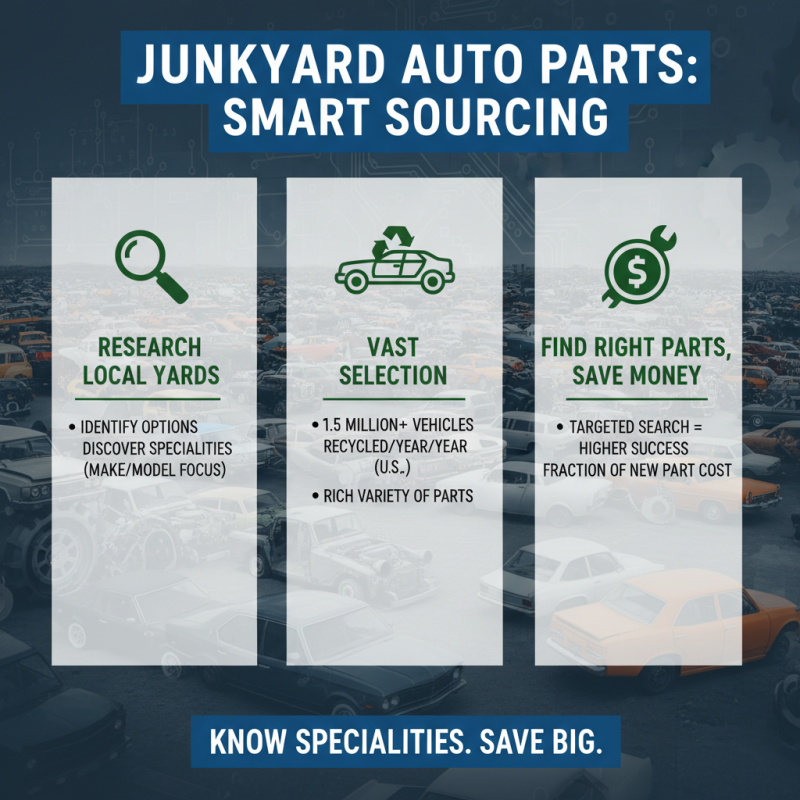
When it comes to sourcing auto parts from junkyards, understanding the local landscape is crucial to your success. Researching local junkyards not only helps you identify the best options but also allows you to discover their specialties. For instance, some junkyards may focus on specific makes and models, while others might offer a broader range of vehicles. According to a report by the Automotive Recyclers Association, approximately 1.5 million vehicles are recycled in the U.S. each year, leading to a rich variety of parts available for buyers. Knowing what particular junkyards specialize in can significantly enhance your chances of finding the right part at a fraction of the cost.

Utilizing online directories and local forums can provide insights into which junkyards are well-rated in your area. A survey conducted by the Automotive Parts Association indicates that almost 30% of DIY mechanics prefer junkyards for their cost-effectiveness. This statistic underscores the importance of spending time on research. Engaging with fellow auto enthusiasts or mechanics can yield valuable feedback about the quality of parts and services from different junkyards. Moreover, visiting several yards can help you get a feel for their inventory rotation, which tends to be higher in places known for specific parts, enabling you to make informed purchasing decisions.

Understanding Pricing Strategies for Used Auto Parts

When purchasing auto parts from junkyards, understanding the pricing strategies can significantly enhance your savings. Junkyards typically price their parts based on condition, demand, and availability. It's crucial to inspect parts thoroughly before buying—look for any signs of wear and tear and compare prices on similar items across different yards. Doing your homework will empower you to negotiate better deals and avoid overpaying for parts that might not be in the best condition.

Another key aspect of pricing to consider is the timing of your purchase. Prices can fluctuate based on inventory levels and the influx of new arrivals. Visiting junkyards during weekdays or during off-peak hours might yield better deals, as some yards offer discounts to boost sales during slower periods. Staying informed about seasonal sales or special promotions can also lead to further savings. By understanding these pricing strategies, you can navigate the junkyard market more effectively and secure the best possible deals on used auto parts.

Inspecting Quality and Condition of Parts Before Purchase

When purchasing auto parts from a junkyard, one of the most crucial steps is to thoroughly inspect the quality and condition of the parts before making a decision. Begin by visual assessment; look for any signs of rust, corrosion, or damage. Parts that show excessive wear, such as cracked or frayed components, are likely to fail prematurely and should be avoided. Pay attention to bolts and connectors, ensuring they are not stripped or overly worn, as these are indicators of how well the part was maintained before it was salvaged.

In addition to visible inspection, it’s also wise to test functional pieces whenever possible. For instance, if you're considering electrical components, check for signs of proper wiring and any burn marks, which could signal a problem. For mechanical parts, ask if you can rotate or move the item, as this can give insight into its operational capacity. Don’t hesitate to ask for the history of the part or how it was removed, as this can provide additional context regarding its durability and reliability. By taking these steps, you can make informed choices while navigating the world of junkyard auto parts, ultimately saving money without sacrificing quality.

Negotiating Prices and Exploring Discount Opportunities

When navigating the world of junkyard auto parts, effective negotiation can lead to significant savings. When you first arrive, take your time to assess the condition of the parts you're interested in, as this will serve as leverage during price discussions. Don't be afraid to initiate a conversation with the yard's staff; express your interest in the parts and ask about their pricing strategies. Often, junkyards have a set price but are open to negotiation, especially if they know you’re considering buying multiple items. Always do a little research ahead of time, so you have a baseline for what similar parts sell for.

Exploring discount opportunities can further enhance your savings. Many junkyards have loyalty programs or offer special discounts on certain days of the week. It's also worth asking if they have any bulk purchase deals—buying more than one part might entice them to offer a better price.

Check if they provide discounts for cash payments, as some yards prefer cash transactions and may reduce the price to avoid credit card fees. Lastly, don't hesitate to ask if they offer warranties on used parts; a small extra charge for a warranty could provide peace of mind and protect your investment.

Tips for Transporting and Installing Salvaged Parts Yourself

When it comes to transporting salvaged auto parts, planning and preparation are key to ensuring the process goes smoothly. Before heading to the junkyard, invest in strong and reliable tools such as straps, blankets, and tarps. These items will help secure and protect the parts during transport, minimizing the risk of damage on the way home. Consider the size and weight of the parts you intend to buy; larger components may require additional manpower or a vehicle appropriately sized for the task. Moreover, taking precise measurements can save you from unexpected surprises later on.

Once you’ve brought your salvaged parts home, proper installation is crucial to maintaining safety and functionality. Begin by clearing a dedicated workspace, ensuring all necessary tools are within reach. Consulting online resources or user manuals specific to your vehicle can provide valuable guidance on the installation process. Following a step-by-step approach will help you stay organized and avoid any mishaps. Don’t hesitate to enlist a friend to assist you; having an extra set of hands can make tasks like lifting heavy parts or aligning pieces significantly easier. With careful transportation and thoughtful installation, you can effectively utilize junkyard auto parts while keeping your project budget-friendly.

Start typing and press Enter to search