Shopping for automotive body parts online can save time, but a low price does not guarantee the right fit. A bumper cover may look correct in a product photo and still differ by model year, trim, sensor openings, or paint finish. Small details matter. Before ordering, compare the listing with your vehicle identification number, owner’s manual, and the damaged part. When details conflict, pause and ask the seller for clarification.
Good decisions take a little checking. Look for clear fitment notes, useful product photos, and a seller who explains whether a part is original equipment or aftermarket. Read the return policy before checkout, especially for large panels that may cost more to ship back. Keep screenshots of the listing and inspect the package promptly; a cracked corner can be hard to spot beneath protective wrapping. Ask about delivery estimates, packaging, and any included hardware. These steps cannot remove every risk. Online descriptions can be incomplete, and I would not assume that a familiar brand name settles every question. Compare the evidence, not just the headline price. The ten tips ahead offer a practical way to evaluate listings, confirm compatibility, and avoid preventable surprises. A careful order starts with patient research. Sometimes, the best move is waiting for one clear answer.
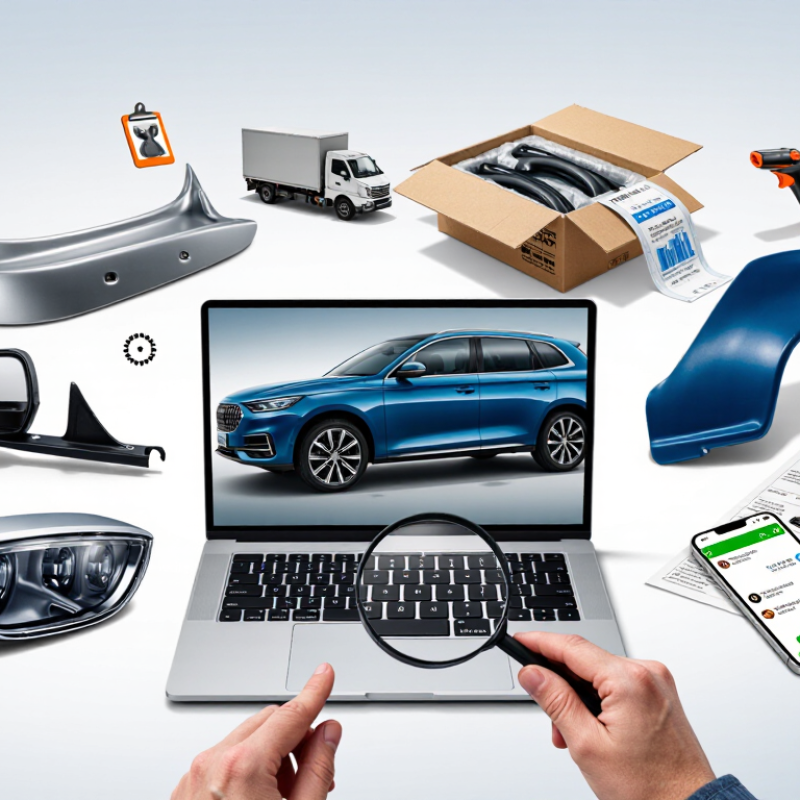
Define the exact body part before comparing prices. “Front bumper” can mean a cover, reinforcement bar, grille section, or complete assembly. Write down the vehicle’s year, model, trim, body style, engine, and drive configuration. Small differences can change the mounting points.
A VIN-based search gives stronger evidence than a broad vehicle description. Compare the part number, side position, sensor openings, washer cutouts, and parking-assistance provisions. Measure visible dimensions if the listing provides them. Product photos help, but they can hide clips, brackets, or unfinished edges. I once trusted a similar-looking mirror and missed its heating connector. That mistake cost time.
Reliable sellers should state compatible production ranges and installation requirements. Contact support when the listing says “fits most models.” That phrase is too vague. Ask whether the part is direct-fit, replacement-grade, painted, primed, or unpainted. Also inspect the return conditions before paying, especially for parts ordered by side or trim. I would recheck every detail before checkout. People sometimes overlook one digit in a part number. It happens. A clear compatibility record, saved with the order, can make installation and any correction much easier.
When buying automotive body parts online, judge the seller before judging the price. Tip: Check for a physical business address, working contact details, and clear fitment guidance. Read recent reviews for patterns, not just star ratings. Repeated complaints about delayed refunds or mismatched parts deserve attention. A polished website is not proof of dependable service.
Tip: Confirm the part’s condition, material, measurements, and vehicle compatibility in writing. Compare photos with the shape and mounting points of your existing panel. A bumper cover may look right but still need extra preparation or adjustment. Ask whether hardware is included. Small details matter.
Tip: Read the return policy before checkout. Check the return window, restocking fees, shipping costs, and rules for painted or installed parts. Save the listing and any seller messages. Keep the packaging until you have checked the part against your vehicle. Photos can hide dents, and descriptions can be vague; I have learned not to assume “fits” means a perfect match. If an answer feels rushed, pause and verify elsewhere.
When comparing automotive body parts online, check the material and construction, not just the product photo. A steel fender may resist everyday impacts differently from a lighter plastic panel. Look for thickness, finish, mounting-point details, and whether the listing identifies the part as new or repaired. Photos can hide rough edges. Ask the seller for clarification if fitment details are vague, and compare the part number with your vehicle’s year, model, and trim.
Price is only one part of the cost. Add shipping, handling, and any stated return fees before deciding. A large bumper cover may cost more to ship than a smaller mirror, even when its listed price looks attractive. Check the delivery estimate and packaging policy; a dented panel can turn a bargain into a delay. I have seen buyers focus on the item price and overlook freight. It is an easy mistake.
Read the warranty terms before checkout. Confirm how long coverage lasts, what defects are included, and whether installation affects a claim. Some warranties exclude damage during fitting or require prompt reporting. Keep the order confirmation and inspect the part as soon as it arrives. Take clear photos of any damage before installation. Details matter. If prices, materials, shipping, and coverage still leave you uncertain, pause and request written answers rather than guessing.
Compare material, typical part price, shipping cost, and warranty coverage before placing an order. The figures below are representative online-market benchmarks and may vary by vehicle, dimensions, seller, and delivery location.
What to compare: Steel panels are usually the most economical, while aluminum and fiberglass parts often cost more. Oversized body parts typically have higher shipping charges, and warranty coverage commonly ranges from 6 to 12 months. Always confirm fitment, return conditions, damage-inspection requirements, and warranty exclusions.
10 Tips for Buying Automotive Body Parts Online
Verify fitment details before placing an online order. A part can look identical yet fail at the mounting points. Check the vehicle identification number, model year, trim level, body style, and engine configuration. Some listings cover several years, but small design changes can affect compatibility.
Compare the seller’s fitment chart with your service manual or repair records. Confirm whether the part is for the left or right side. Check sensor openings, parking-assistance mounts, grille clips, lamp connectors, and factory paint requirements. Measure the original panel when possible. Photos help, but dimensions provide stronger evidence. Read the product description carefully, including included hardware and installation notes.
I once trusted a matching model year and overlooked a different body style. The replacement arrived with a familiar shape but incorrect brackets. It was my mistake. Ask the seller for the exact interchange number, clear mounting-point photos, and written confirmation before payment. Keep screenshots of the listing and fitment response. Review the return policy, restocking fees, inspection period, and shipping damage procedure. Experienced technicians still verify these details because catalog errors happen. If the information conflicts, pause the order and consult a qualified repair professional. A few extra minutes can prevent drilling, forced installation, or an expensive return.
When an automotive body part arrives, inspect it before installation or painting. Check the shipping carton for crushed corners, torn tape, and moisture marks. I once accepted a box with a small dent, then found a bent mounting flange inside. Take clear photos before removing the part. Compare its shape, holes, edges, and included hardware with the original component. Look for cracks, deep scratches, uneven seams, or thin areas in the finish. Do not discard the packaging yet.
Fitment deserves careful attention. Confirm the part matches your vehicle’s year, body style, and specifications. A small difference in a mounting hole can create major alignment problems. Place the new panel beside the old one on a padded surface. Check the contours around the doors, hood, lamps, and wheel opening. This step takes minutes. It can prevent expensive paintwork later. I have learned that online images cannot reveal every tolerance issue.
Plan professional installation when the part affects structural alignment, safety systems, or precise body gaps. A qualified technician can test-fit the panel, protect nearby surfaces, and adjust fasteners without forcing them. Ask for a written estimate covering preparation, paint matching, installation, and disposal. Let the technician inspect the part before work begins. Sometimes a replacement looks correct but needs minor correction. That is not always a defect, but it should be discussed early. Keep all order records and inspection photos until the repair is complete.
Perfect fit? Rarely. Careful checking helps.
Logel’s Auto Parts
116 Bridge St East
Kitchener, Ontario
N2K 1J6
Phone: 519-745-4751
Toll Free: 1-800-818-9118
Hours 8:00-5:00 Monday to Friday
At Logel’s Auto Parts, we serve a range of communities in Southern Ontario, including:
Sign up today for the latest updates from the Logel’s Auto Parts team, including pricing for scrap vehicles, our newest product lines, current operating hours, and much more.