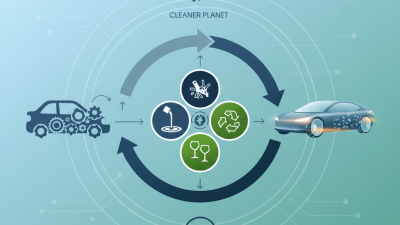
Auto recycling is gaining importance in today’s economy. As we face climate change and environmental degradation, sustainable practices are vital. This process involves repurposing old vehicles to reduce waste and conserve resources.
Many people overlook the impact of auto recycling. It not only decreases landfill waste but also saves energy. Recycling materials like steel, aluminum, and plastic from old cars can significantly lower carbon emissions. However, starting auto recycling may seem daunting.
Understanding the steps is crucial. It requires knowledge of how to dismantle vehicles properly. Some may need training, while others can learn through online resources. Consider the local regulations, too. Each area has different rules regarding recycling. Auto recycling offers benefits, but it is not without challenges. It demands commitment and effort to adapt.

Auto recycling plays a crucial role in promoting sustainability. As cars age and are retired, they contain a wealth of resources. Metals from engines and bodies can be reclaimed. Plastic parts and rubber components also hold recycling value. But the process can seem daunting and messy. It requires proper planning and eco-friendly practices.
Many people overlook the importance of safe disposal. Harmful fluids, such as oil and coolant, need careful management. They can contaminate soil and water if not handled correctly. Responsible recycling reduces waste and minimizes environmental harm. Individuals must take initiative. Seeking out local recycling programs can simplify the process.
Making auto recycling an integral part of our lives involves community effort. Sharing knowledge about proper disposal methods is essential. Organizing neighborhood initiatives can enhance awareness. Together, we can create a sustainable future. This journey won't be perfect. Mistakes will happen, but every step counts towards a greener planet. The transition may require constant learning and adjustment, but the impact is worth it.
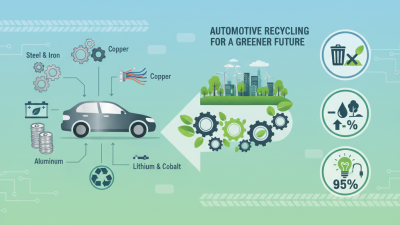
This chart illustrates the amount of materials recycled from automobiles, highlighting the importance of auto recycling in contributing to sustainability efforts. By recycling steel, aluminum, plastics, rubber, and glass, we can significantly reduce waste and environmental impact.
To start auto recycling effectively, understanding key materials in vehicles is crucial. Many vehicles contain valuable materials, such as steel, aluminum, and plastics. According to industry reports, around 75% of a vehicle's weight is recyclable. Steel is the most recycled material globally, representing 55-60% of a typical car's weight. Hence, prioritizing its recovery can significantly boost recycling efforts.
Plastics are becoming increasingly prevalent in modern vehicles. They account for 10-15% of the total weight. While these materials are beneficial for vehicle performance, they pose recycling challenges. Many types of plastics used in cars are difficult to separate and process. A keen understanding of which plastics are recyclable can make a substantial difference.
Tips: Identify the types of materials commonly found in vehicles. Create a database of recyclable components. Invest in training programs for staff to enhance their knowledge on material recovery.
Tracking the lifecycle of different materials can help optimize the recycling process. However, it's essential to acknowledge that not all materials are equally recyclable. Vehicles' varied components may complicate recycling, leading to inefficiencies. Reflecting on these challenges is vital for developing innovative recycling solutions.
Starting an auto recycling business model can significantly contribute to environmental sustainability. According to the Automotive Recyclers Association, about 80% of a vehicle’s material can be recycled. This encompasses everything from metals to plastics. Setting up this business involves several key steps.
Location is critical. Choose a space that complies with local zoning laws. Make sure it can handle the necessary equipment. This includes hydraulic shears and crushers for dismantling vehicles. You’ll need trained staff who understand safety protocols. Research indicates that almost 60% of auto recyclers face challenges in hiring skilled labor. A strong training program can help overcome this hurdle.
Develop relationships with suppliers and customers. It’s essential to have a steady flow of used vehicles. Many recyclers rely on partnerships with tow services and car dealerships. This network can be fragile. Changes in the market can lead to fluctuating supply. Invest in technology to streamline operations. The use of advanced inventory systems can help manage parts and materials efficiently.
When starting an auto recycling business, efficient vehicle dismantling is key. Proper dismantling ensures that materials are recovered effectively. Identify reusable parts first—engines, transmissions, and electronics usually have good resale value. Use appropriate tools to minimize damage during removal. This helps in maximizing profit from each vehicle.
Tips: Create a checklist before dismantling. It makes the process smoother. Regularly train staff on safety measures required for handling hazardous materials. Lack of training can lead to accidents.
Consider investing in technology that aids in the sorting process. Automated systems can improve accuracy in separating recyclable materials. However, this technology can be costly and may not always deliver immediate benefits. Evaluate your resources carefully before implementation.
Keep in mind that not every vehicle will yield high returns. Some may require more effort than they’re worth. Analyze each vehicle's condition before proceeding with dismantling. Reflect on your practices regularly to find new ways to improve efficiency and sustainability.
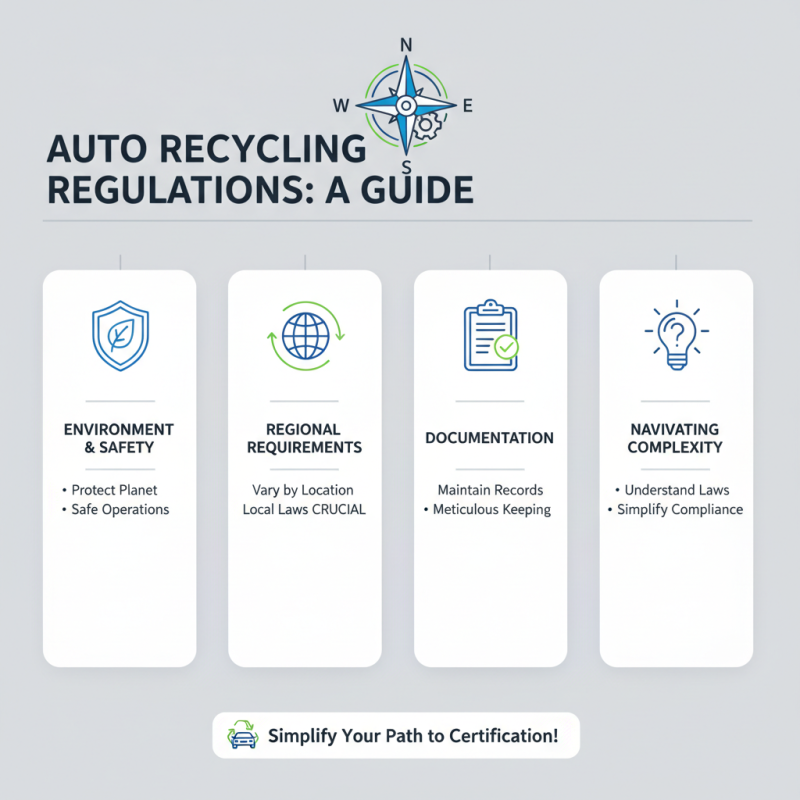
Navigating regulations and certifications in the auto recycling industry can be daunting. Each region has specific requirements that recycling facilities must meet. These regulations aim to protect the environment and ensure safety in operations. Understanding local laws is crucial. Documentation must be maintained meticulously. This can be overwhelming for newcomers.
Certifications also play a significant role in building credibility. Obtaining these endorsements requires time and effort. For example, a facility might need to demonstrate compliance with environmental standards. Regular audits ensure that practices remain up to par. Still, many facilities struggle with this process. It's essential to remain open to feedback and continuously improve.
Many aspiring recyclers underestimate the complexities involved. The journey can be filled with challenges. From handling hazardous materials to managing waste properly, the obstacles are real. Reflecting on past mistakes can provide guidance. It’s important to learn and adapt. The auto recycling industry is evolving, and staying informed is key to success.
Logel’s Auto Parts
116 Bridge St East
Kitchener, Ontario
N2K 1J6
Phone: 519-745-4751
Toll Free: 1-800-818-9118
Hours 8:00-5:00 Monday to Friday
At Logel’s Auto Parts, we serve a range of communities in Southern Ontario, including:
Sign up today for the latest updates from the Logel’s Auto Parts team, including pricing for scrap vehicles, our newest product lines, current operating hours, and much more.