In the highly competitive world of the auto parts industry, sourcing quality components is crucial for business success. The global auto parts market is projected to reach $1 trillion by 2027, indicating robust demand. However, this growth also brings challenges in maintaining quality and reliability. According to industry expert Mark Jensen, “Finding the right suppliers for parts auto parts can be daunting, yet it’s essential for profitability.”
Sourcing auto parts involves navigating various suppliers and manufacturers. Businesses face pressure to keep costs low while ensuring product excellence. Quality parts influence customer satisfaction and brand reputation. Poor sourcing can lead to financial losses and negative reviews. Many companies overlook the impact of choosing the right suppliers.
The key lies in building strong relationships with reliable manufacturers. Establishing quality control measures can enhance product reliability. Data indicates that 67% of businesses that prioritize supplier quality experience an increase in sales. In this landscape, being proactive and informed creates a competitive edge. Understanding the intricacies of parts auto parts sourcing is vital for long-term success.
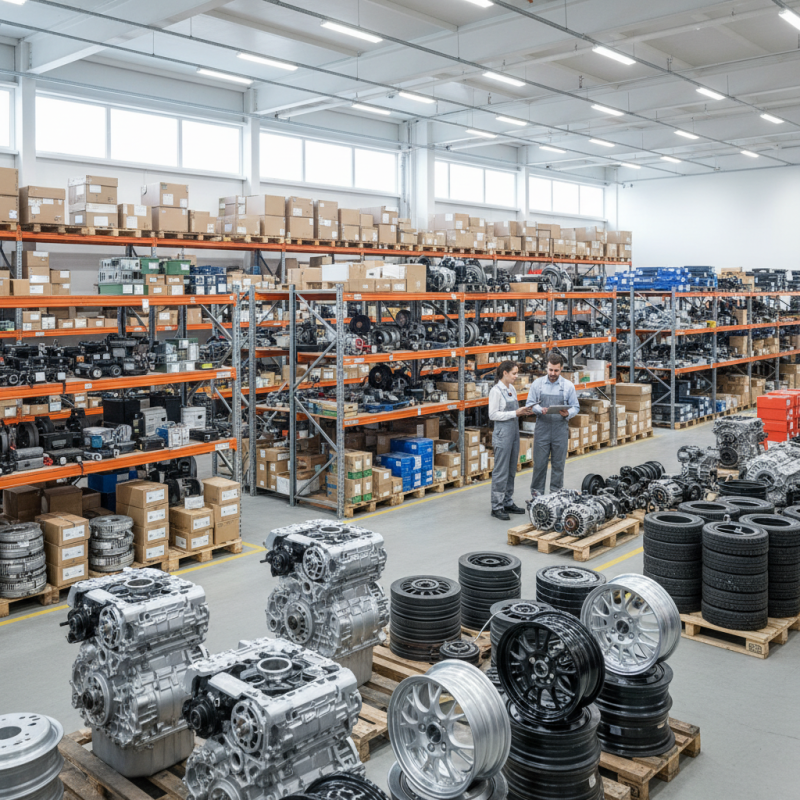
When sourcing auto parts, understanding your business needs is essential. Start by assessing the types of parts you require. Are you focusing on high-performance components or basic replacements? A clear focus can streamline your sourcing process. Evaluate your customer base too. Do they prefer reliability or affordability? This knowledge will guide your decision-making.
Once you identify your needs, research potential suppliers. Look for those with a track record in quality and service. Reach out to industry peers for recommendations. Analyze the feedback critically. Not every supplier will meet your expectations. Keep an eye out for pitfalls. Low prices can sometimes mean lower quality. Find a balance that works for your brand.
Finally, reassess your sourcing strategy regularly. The auto industry evolves quickly. New technologies and materials emerge constantly. Adapting to these changes can enhance your offerings. Be ready to pivot if necessary. Your business deserves the best, even if it means taking a few risks along the way.
When evaluating quality standards for auto parts suppliers, ensure they meet specific criteria. Start by
checking certifications. Suppliers with
ISO standards reflect a commitment to quality. This provides
a solid foundation for trust.
Consider the supplier’s track record. Longevity in the industry
suggests reliability. Explore online reviews and testimonials. Speak to other businesses for their
experiences, but remember, every supplier has strengths and weaknesses. Look at their returns policy.
A transparent policy indicates confidence in their products.
Tips:
Communicate directly with potential suppliers. Ask about their quality control processes. Request samples before making
large orders. Engage in discussions about their sourcing methods; this reveals their commitment to quality. Reflect
on your own needs. Are you focusing too much on cost over quality?
Balancing both is crucial.
When sourcing auto parts for your business, exploring different channels is crucial. Online marketplaces offer a vast selection. Many suppliers list their parts with detailed descriptions and specifications. This transparency helps you compare prices and quality easily. However, the quality may vary. Always check reviews before making a purchase.
Local suppliers present another sourcing option. Building relationships with them can lead to better deals. Visiting a physical store allows you to inspect parts directly. You can ask questions on the spot. Yet, local inventories may be limited. It’s important to weigh the benefits against any potential shortages.
Attending trade shows can also provide insight into trending auto parts. Networking with industry professionals can lead to new opportunities. These events showcase the latest technologies and innovations. However, the cost of attendance can be a downside. It's wise to consider your budget before committing. Each channel has its strengths and weaknesses. Being aware of them can enhance your sourcing strategy.
Establishing strong relationships with reliable auto parts suppliers is crucial for any automotive business. A recent report from the Automotive Parts Manufacturers Association (APMA) highlights that 70% of businesses rely on long-term partnerships for continuous supply quality. This statistic emphasizes how essential it is to not just find suppliers, but to nurture those connections.
Communicating openly with suppliers can lead to better terms and prices. It fosters trust, leading to priority during high-demand periods. However, cultivating these relationships isn't always straightforward. Inconsistent quality reports from various suppliers reveal that 40% of businesses face challenges when sourcing parts. Frequent checks and feedback loops can mitigate these issues. Ensuring you provide constructive criticism can also improve the quality of products received.
Moreover, attending industry trade shows lets businesses network with prospective suppliers. These events offer valuable insights into market trends and emerging technologies. Nonetheless, not all suppliers will meet your standards initially. It's vital to have a trial phase in place. This allows for the evaluation of delivery speed and product integrity, fostering a more reliable supply chain over time.
| Supplier Type | Reliability Rating | Average Lead Time | Pricing Model | Minimum Order Quantity |
|---|---|---|---|---|
| OEM Manufacturer | A+ | 4 weeks | Fixed pricing | 50 units |
| Aftermarket Supplier | A | 2 weeks | Volume-based discounts | 100 units |
| Distributor | B+ | 3 weeks | Tiered pricing | 20 units |
| Local Supplier | B | 1 week | Negotiable | 10 units |
| Importer | A- | 6 weeks | CIF pricing | 200 units |
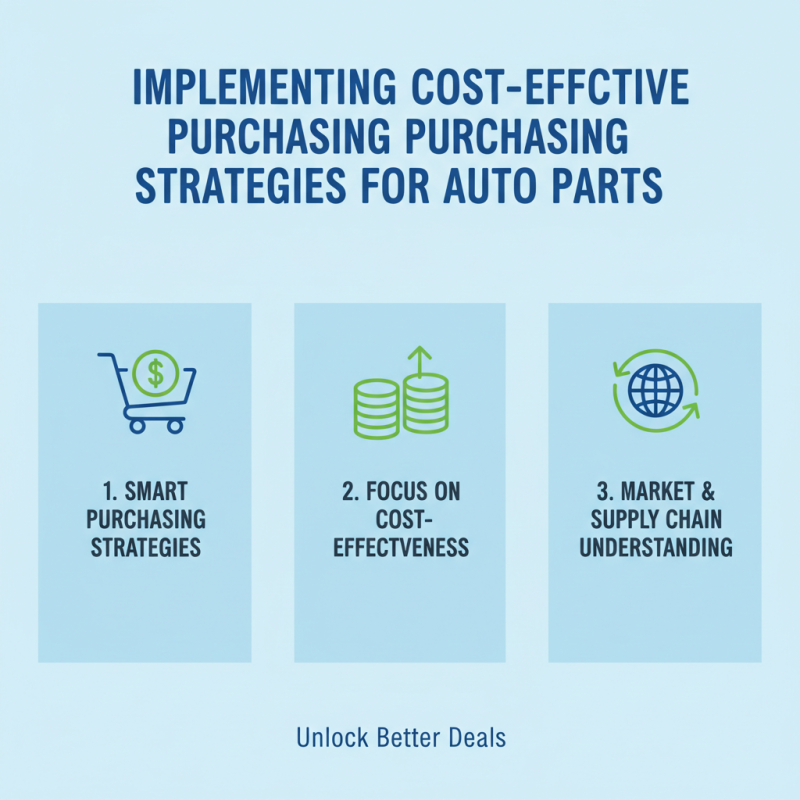
Sourcing the best auto parts involves smart purchasing strategies. Cost-effectiveness should be a focus for every business owner. Understanding the market and supply chains can lead to better deals.
Tips for savings include building strong relationships with suppliers. Communication is key. Regular interactions help in negotiating prices and terms more effectively. Another strategy is to consider bulk purchasing. It often leads to discounts. However, be cautious about overstocking parts that may not sell quickly.
Evaluate your inventory regularly. This helps you avoid purchasing parts that are redundant. Research helps you identify quality parts at lower prices. Don’t compromise on quality for cost. It can lead to negative customer experiences. Balancing cost and quality is critical in sustaining your business.
Logel’s Auto Parts
116 Bridge St East
Kitchener, Ontario
N2K 1J6
Phone: 519-745-4751
Toll Free: 1-800-818-9118
Hours 8:00-5:00 Monday to Friday
At Logel’s Auto Parts, we serve a range of communities in Southern Ontario, including:
Sign up today for the latest updates from the Logel’s Auto Parts team, including pricing for scrap vehicles, our newest product lines, current operating hours, and much more.