In the contemporary landscape of manufacturing and production, the efficient management of scrap parts has emerged as a crucial factor for businesses aiming to enhance their profitability and sustainability. As industries continue to evolve, the process of scrapping parts is not merely a disposal method; it represents a significant opportunity to recover value from materials that would otherwise contribute to waste. This article explores best practices for effectively scrapping parts, shedding light on strategies that maximize financial returns while adhering to sustainable practices.
To achieve the dual goals of profit and sustainability, businesses must adopt a structured approach to the scrapping process. Understanding the value of different materials, along with the potential markets for resale, can significantly impact overall gains. Additionally, implementing environmentally conscious methods in the material recovery process not only aligns with global sustainability goals but also enhances the brand's reputation.
As we delve deeper into the intricacies of scrap parts management, we will uncover critical insights and actionable strategies that can pave the way for maximizing profits while promoting a greener future. Whether you're a seasoned professional or new to the field, this guide will equip you with the knowledge needed to navigate the complexities of scrap parts effectively.

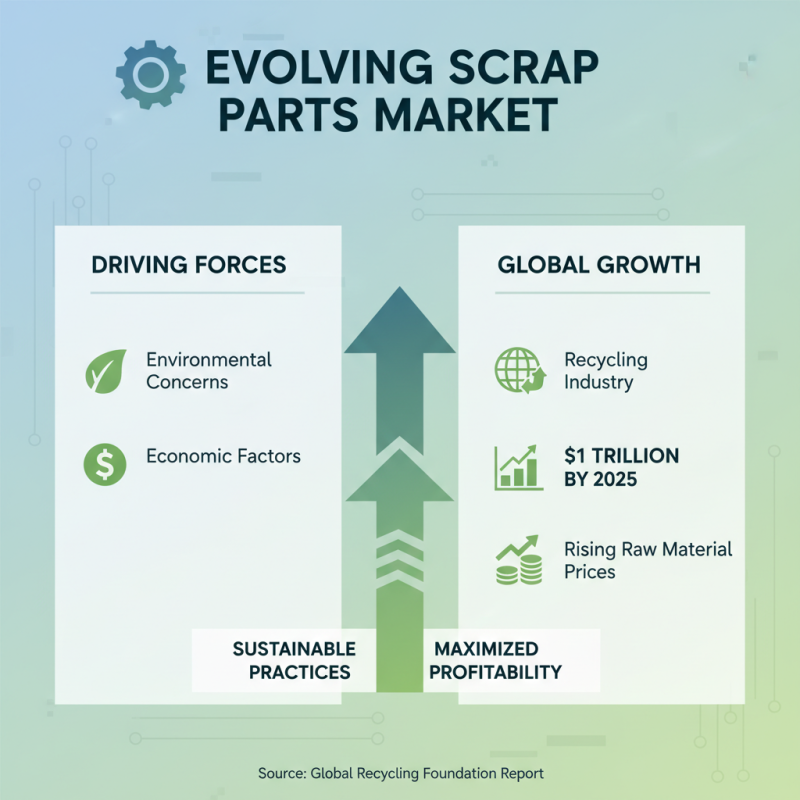
The scrap parts market has seen significant evolution in recent years, driven by environmental considerations and economic factors. According to a report by the Global Recycling Foundation, the recycling industry is projected to grow to $1 trillion by 2025, illustrating the increasing value placed on sustainable practices. This growth is also fueled by rising raw material prices, which incentivize companies to recycle and repurpose scrap parts to maximize profitability.
Additionally, trends such as the circular economy and stringent regulations on waste disposal are reshaping the landscape. A study from the International Data Corporation (IDC) highlighted that more than 60% of manufacturing companies are now investing in sustainable practices, including advanced recycling techniques. This shift offers immense opportunities for businesses to tap into newer technologies that not only enhance operational efficiency but also reduce environmental impact. By leveraging innovations such as digital tracking systems and automated sorting facilities, companies can increase the value derived from scrap parts, thereby aligning with the broader market shift towards sustainability and profitability.
Identifying valuable scrap parts is crucial for maximizing profit while promoting sustainable practices in industries dealing with materials. One effective technique is conducting a thorough inventory assessment, which allows businesses to pinpoint high-value components often overlooked in general scrapping processes. Techniques such as using advanced scanning technology and software can streamline this assessment, providing a detailed evaluation of the scrap's potential worth based on material composition and market demand. Analyzing historical sales data can further guide decision-making by indicating which scrap parts have yielded higher profits in the past.
Moreover, employing tools such as magnetometers and spectrometers can significantly enhance the identification process. These tools help differentiate between types of metals and other materials, ensuring that only the most profitable scrap is extracted. Additionally, incorporating data analytics can help predict future trends in scrap value, allowing companies to adapt their processes accordingly. By integrating these techniques and tools, businesses not only improve their chances of financial success but also contribute to a more sustainable approach to material reuse and recycling.
Sustainability is becoming increasingly important in the scrap industry, as businesses seek to balance profitability with environmentally responsible practices. According to a report from the Global Recycling Foundation, approximately 70% of scrap metal is recycled worldwide, contributing significantly to resource conservation and reducing the carbon footprint of the manufacturing sector. By efficiently recycling scrap materials, industries can lower greenhouse gas emissions, conserve energy, and reduce the reliance on virgin material extraction. For example, recycling aluminum saves up to 95% of the energy required to produce it from raw materials, showcasing how effective scrap practices can lead to substantial environmental benefits.
In addition to energy savings, implementing sustainable practices in scrap management can also enhance profitability. The Scrap Metal Dealers Association indicates that businesses that adopt zero-waste strategies can increase their revenue by up to 30%. By investing in advanced sorting technologies and optimizing logistics, companies are able to maximize the value of their scrap materials. Furthermore, as consumer awareness regarding sustainability grows, companies that prioritize eco-friendly practices are likely to enjoy a competitive advantage, attracting clients who value corporate responsibility. Engaging in sustainable scrap practices not only contributes to environmental goals but also serves as a sound business strategy that aligns with the shifting market demands.
Effectively scrapping parts for profit requires a keen understanding of pricing strategies.
To ensure you maximize returns, closely monitor market trends and pricing fluctuations in scrap metal and other recyclable materials.
Establishing a relationship with local scrap yards can provide insights into the best times to sell your scrap.
Consider providing high-quality materials, as buyers often pay a premium for clean, uncontaminated scrap.
Tips: One effective approach is to categorize your scrap parts
based on material type and condition. This allows you to negotiate better prices since different materials command different values.
For instance, aluminum and copper
typically yield higher profits compared to other metals. Additionally, maintain organized records of your scrap inventory and prices
to track what works best over time.
Another strategy is to leverage online platforms to reach a wider audience.
Listing your scrap parts for sale on multiple marketplaces can increase visibility and competition among buyers, potentially driving prices up.
Timing your sales around peak demand periods can also contribute to better pricing, so stay informed about market conditions and adjust your selling strategies accordingly.
When approaching scrap recycling and disposal in 2025, understanding the regulatory landscape is crucial for businesses aiming for both profitability and sustainability. Regulations surrounding scrap materials can vary significantly by region, but they often encompass guidelines on collection, processing, and environmental impact. According to a recent market analysis by the Institute of Scrap Recycling Industries (ISRI), companies that maintain compliance with these regulations not only avoid hefty fines but also enhance their reputation, leading to increased customer trust and potentially higher profits.
Tip: Always stay updated on local, state, and federal regulations relevant to your scrap materials. Subscribing to industry newsletters or joining recycling associations can provide valuable insights into regulatory changes.
Another important aspect of the regulatory framework involves proper documentation of scrap transactions. Transparency in the sourcing and processing of scrap materials is vital, as it mitigates the risk of illegal activity and ensures accountability. Studies suggest that companies that implement clear tracking systems for their scrap inventory not only comply more effectively with regulations but also optimize their operational efficiencies.
Tip: Implement a robust inventory management system that logs all scrap materials entering and exiting your facility, making compliance and reporting easier.
In summary, navigating the complexities of scrap recycling regulations requires diligence and proactive measures. Engaging legal experts familiar with environmental regulations can also provide a solid foundation for sustainable practices that align with profit goals.
Logel’s Auto Parts
116 Bridge St East
Kitchener, Ontario
N2K 1J6
Phone: 519-745-4751
Toll Free: 1-800-818-9118
Hours 8:00-5:00 Monday to Friday
At Logel’s Auto Parts, we serve a range of communities in Southern Ontario, including:
Sign up today for the latest updates from the Logel’s Auto Parts team, including pricing for scrap vehicles, our newest product lines, current operating hours, and much more.