Mining Screens play a crucial role in optimizing operations in the mining industry. According to a recent report by Grand View Research, the global mining equipment market size was valued at USD 128.39 billion in 2022, projected to grow significantly. Within this industry, Mining Screens are essential for ensuring efficient material separation and processing. They help extract valuable minerals while minimizing waste.
Their effective design impacts productivity. Mining Screens enhance the recovery rates of materials. A study from the World Mining Congress found that proper screening can increase recovery by up to 20%. This statistic highlights their importance. Companies that invest in advanced screening technology often see improved operational efficiency and reduced costs over time.
However, not all Mining Screens are created equal. The variation in quality and design can lead to challenges. Inconsistent performance may result in operational delays and increased maintenance costs. Thus, choosing the right equipment requires careful consideration. Understanding the specific needs of your operation is vital. Investing in high-quality Mining Screens can yield significant long-term benefits, but it also demands ongoing evaluation and adaptability.
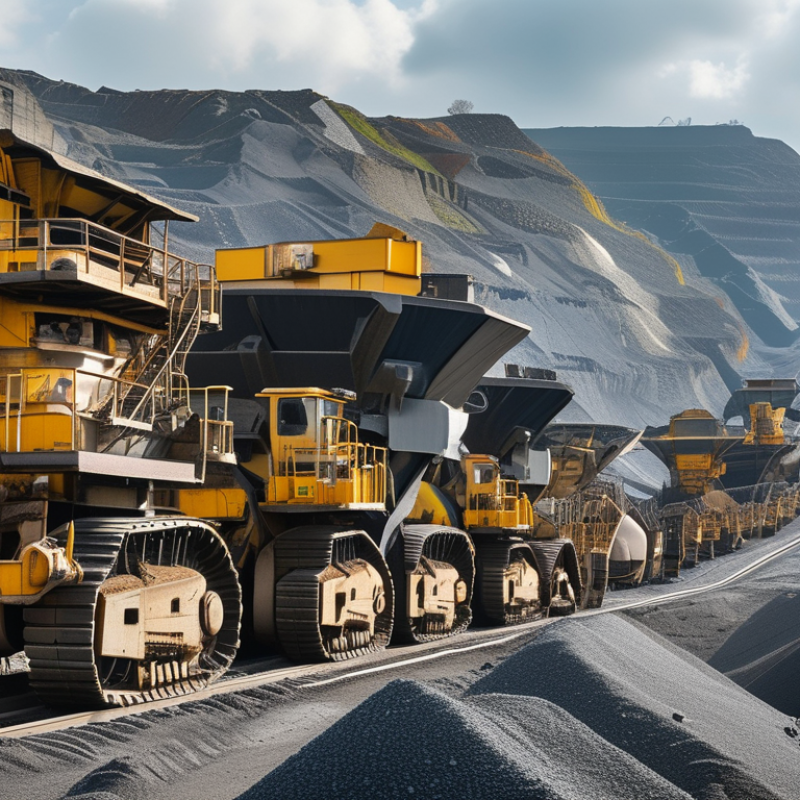
Mining screens play a critical role in material processing. They ensure efficient separation of materials based on size. This function enhances the flow of the entire operation. Without proper screening, processing can lead to inefficiencies. Smaller materials can mix with larger particles, complicating further separation.
The precision of mining screens affects recovery rates. A well-designed screen can capture finer particles, which might otherwise be lost. However, many operations overlook maintenance. Screens can become clogged or damaged, causing bottlenecks. Regular checks can help maintain efficiency, yet some neglect this.
Employees should understand screen types and their functions. Training can lead to smarter operations. Experienced staff can identify issues that newcomers might miss. Emphasizing the importance of mining screens is essential. Operations that prioritize these tools can achieve significant gains in productivity and reduce waste.

Mining screens play a crucial role in the efficiency of any mining operation. They categorize materials and separate valuable resources from waste. Different types of mining screens cater to varied needs, making them essential for specific applications.
Vibrating screens are popular in many operations. They use a shaking mechanism to separate materials by size. This design makes it easy to process large amounts of material quickly. However, their maintenance can be challenging. Ensure regular checks to avoid costly downtime.
Another type is the trommel screen. This cylindrical screen rotates and uses gravity to sort materials. Trommel screens are versatile, handling wet and dry substances effectively. They are especially useful for fine materials. But, they can experience clogging issues if not monitored closely.
**Tips**: Always assess the material you are working with. Understand its size and moisture content. This knowledge helps in selecting the right screen type. Also, keep an eye on the wear and tear of screens. Early detection prevents further complications.
This chart illustrates the various types of mining screens and their applications, showcasing the number of uses for each type. Vibrating screens are the most commonly used, followed by rotary and trommel screens.
When selecting mining screens, several critical factors come into play. The material of the screen is essential. Different mining environments require screens made from various materials. Steel screens durability may suit hard rock mining. However, lightweight polyurethane screens might perform better in softer materials.
Screen size and mesh openings also matter. Larger openings can process more material but may let through unwanted particles. A balance between size and separation efficiency is crucial. Additionally, consider the design of the screen. Vibrating screens often increase efficiency. They help reduce clogging and enhance material flow.
Operational conditions impact screen selection. Temperature and humidity levels can influence the screen's performance. Regular maintenance is vital to ensure longevity. Operators should be informed about wear patterns to optimize their use. Reflecting on these factors can refine the selection process and boost productivity.
| Screen Type | Application | Material Size | Screen Efficiency (%) | Durability (Hours) |
|---|---|---|---|---|
| Vibrating Screen | Coal Processing | 0-50 mm | 90 | 2000 |
| Woven Wire Screen | Gravel and Sand | 0-30 mm | 85 | 1500 |
| Polyurethane Screen | Mineral Processing | 0-100 mm | 92 | 3000 |
| Heavy Duty Screen | Quarry Operations | 10-100 mm | 88 | 2500 |
Mining screens play a critical role in mineral processing operations. Regular maintenance is essential to ensure these screens operate efficiently. Research shows that improper maintenance can lead to up to 30% downtime. It can also increase operational costs significantly.
To maintain optimal performance, operators should conduct routine inspections. Checking for wear and tear is vital. Loose fittings and damaged screen surfaces can affect output. A study indicates that screens with regular visual checks experience 25% longer lifespans. Additionally, ensuring proper cleaning methods help prevent material buildup. This attention to detail can minimize systematic issues and improve flow rates.
Training staff on best maintenance practices is crucial. Empowering the team creates awareness of the importance of upkeep. Engaging with industry reports can further provide insight into evolving best practices. By cultivating a proactive maintenance culture, mining operations can significantly enhance their efficiency.
Mining screens play a vital role in the efficiency of operations. The quality of these screens directly affects material handling and processing performance. High-quality screens ensure better separation of materials, reducing waste and increasing productivity. When screens fail, operations can suffer unnecessary delays and financial losses.
Regular maintenance is crucial. Inspect screens frequently for wear and tear. Small cracks can lead to larger failures. Ensure they fit correctly within the machinery. Poor-fitting screens can allow contaminations, affecting the purity of mined materials.
Invest in high-quality screens can elevate operational standards. Choose screens that match your specific material types and flow rates. Customization may seem costly upfront but leads to savings over time. Always consider the long-term benefits when selecting equipment.
Logel’s Auto Parts
116 Bridge St East
Kitchener, Ontario
N2K 1J6
Phone: 519-745-4751
Toll Free: 1-800-818-9118
Hours 8:00-5:00 Monday to Friday
At Logel’s Auto Parts, we serve a range of communities in Southern Ontario, including:
Sign up today for the latest updates from the Logel’s Auto Parts team, including pricing for scrap vehicles, our newest product lines, current operating hours, and much more.