Inflatable kayaks have surged in popularity among outdoor enthusiasts. With their portability and ease of use, they offer a lifeline to adventurers eager to explore waterways. Industry expert Dr. Maria Lopez, a renowned kayaking instructor, emphasizes, “Choosing the right inflatable kayak can transform your experience on the water.” Her insights highlight the importance of selecting a kayak that fits your needs and skill level.
As the market for kayaks inflatable expands, so does the need for comprehensive guidance. Potential buyers face numerous options, from size and material to design. With so many choices, it’s easy to feel overwhelmed. Understanding the features and benefits of different models can be crucial. Reliable reviews and testing can help buyers find the best fit.
Reflecting on personal experiences is essential. Many find themselves regretting hasty decisions in their kayak purchases. Taking the time to evaluate one’s requirements can lead to a more enjoyable adventure. It's not just about hitting the water but about doing so with the right inflatable kayak that suits your lifestyle.
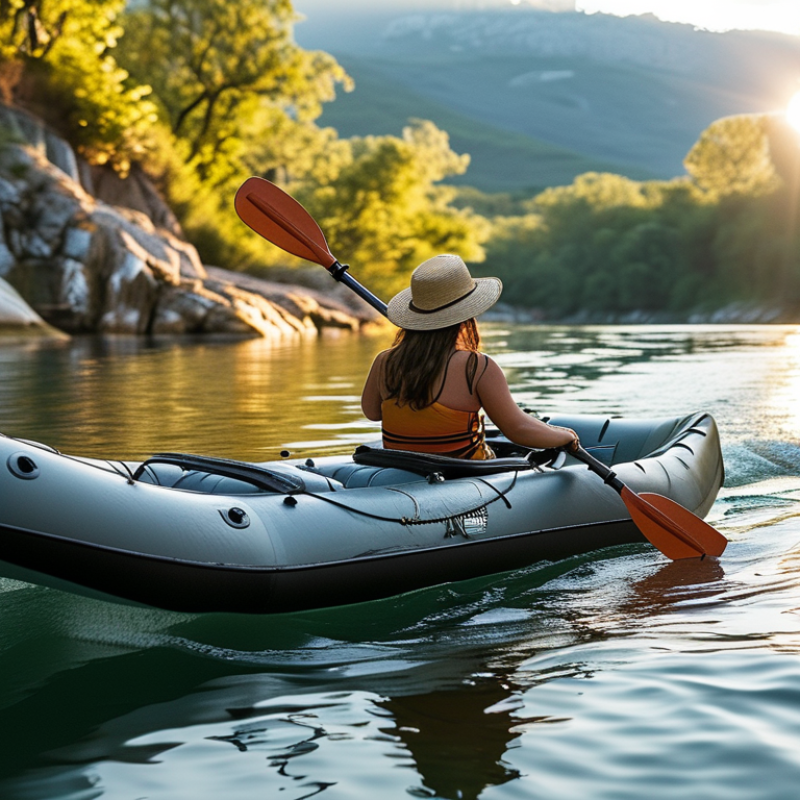
Inflatable kayaks have gained popularity for their ease of use and portability. These lightweight vessels are made from durable materials, typically PVC or nylon. They offer excellent stability, making them suitable for beginners and seasoned paddlers alike. A recent industry report indicates that the inflatable kayak market is projected to grow at a CAGR of 9.7% through 2027. This growth reflects their increasing appeal among outdoor enthusiasts.
Key features of inflatable kayaks include their compact storage capabilities. Once deflated, they can easily fit into a backpack or trunk. Furthermore, many models are equipped with adjustable seats and built-in safety features. However, not all inflatable kayaks perform equally. Some may be less robust and require more maintenance. Users often overlook the importance of checking weight limits and recommended usage types, leading to potential dissatisfaction. Understanding these nuances is vital for making informed decisions.
Assessing the craftsmanship and materials is essential. Higher-quality models tend to offer better durability and resistance to punctures. Yet, the affordability of inflatable kayaks can obscure these differences, causing buyers to settle for subpar options. Reading user reviews and expert insights can help navigate this complex landscape. Embracing the inflatable kayak trend requires careful consideration of these factors for a satisfying paddling experience.

When considering inflatable kayaks, their advantages over traditional models are noteworthy. According to a survey by the Outdoor Foundation, over 50% of recreational paddlers prefer the portability of inflatable kayaks. Unlike hard-shell kayaks, inflatables can deflate and fit into a small space, making them ideal for urban dwellers. This feature caters to those who may not have the luxury of large storage spaces or vehicles capable of transporting bulky equipment.
Another compelling reason for choosing inflatable kayaks is their lightweight nature. Reports indicate that inflatable kayaks can weigh as little as 20 pounds, making them manageable for solo adventurers. This is particularly advantageous for those who might struggle with heavy, traditional kayaks. Additionally, advancements in technology now provide inflatable options that are just as durable as their rigid counterparts. Paddlers can confidently traverse rivers or lakes without the fear of puncturing a fragile body. However, it’s crucial to remain aware of their need for proper maintenance and occasional inspections for leaks, which are essential to ensure a safe kayaking experience.
When purchasing an inflatable kayak, bilge capacity is crucial. A kayak with a higher weight limit ensures durability. Always consider your specific needs. Will you use it for leisurely paddling or intense rapids? This choice affects stability and storage.
Material is another key factor. Look for puncture-resistant materials. UV protection is essential too. It helps maintain the kayak’s integrity during sunny adventures. Weight matters significantly for transport and carrying. Lightweight models can simplify portability, while heavier kayaks may be more durable.
Try to assess the features. Extra storage options can enhance your experience. However, be cautious; too many features can complicate usage. Think about how you plan to use the kayak. Research user reviews for real-world insights. A balance between features and functionality often leads to the best choice.
| Feature | Description | Importance |
|---|---|---|
| Material | Durable materials like PVC or Nitrylon that provide puncture resistance. | High |
| Weight Capacity | Max weight limit each kayak can handle, including gear and passengers. | Critical |
| Inflation Time | Time needed to fully inflate the kayak, usually ranging from minutes to half an hour. | Medium |
| Design | Hull shape and internal structure for stability and tracking performance. | High |
| Portability | How easily the kayak can be packed, carried, and stored. | High |
| Accessories | Included items like paddles, life vests, and storage compartments. | Medium |
| Price | Cost range from budget options to high-end models based on materials and features. | Critical |
Inflatable kayaks have surged in popularity, appealing to both novice and experienced paddlers. A key factor driving this trend is their portability. Many models can be easily packed into a small bag. Research indicates that over 70% of consumers prioritize lightweight designs. This makes transportation simpler for weekend adventures. Nevertheless, users should be wary of construction materials and stability in choppy waters.
Numerous brands have carved niches in the inflatable kayak market. Some models prioritize durability, using multi-layer materials that resist punctures. Others focus on speed and tracking, ideal for exploring rivers and lakes. A report by Outdoor Industry Association highlights that nearly 60% of users miss reports of proper maintenance and care. This can lead to premature wear or safety concerns.
Choosing the right inflatable kayak often comes down to purpose. Recreational models may sacrifice speed for comfort. Touring kayaks, however, offer more features for seasoned paddlers. A study found that almost 40% of users regret not researching specifications more thoroughly. This illustrates the importance of informed decision-making in a market filled with options.
Maintaining your inflatable kayak is crucial for longevity and optimal performance. After each use, rinse it with fresh water. This simple step helps remove dirt and salt, which can degrade the material over time. Pay attention to the seams where wear often occurs. Inspect them regularly and treat any signs of wear early to prevent leaks.
Storage plays a significant role in maintenance. Always deflate your kayak before storing it. Keep it in a cool, dry place away from direct sunlight. Prolonged exposure can weaken the fabric. Consider using a protective cover if storing outdoors. Avoid folding it in the same spots repeatedly to minimize creasing, which can lead to damage.
Regular inspections can identify issues before they become serious. Check for punctures and tears, no matter how small. Using a patch kit can be beneficial. It’s a good idea to test your kayak for leaks before each outing. Inflate it and listen for hissing sounds. Repairs may take time, but they are necessary for safety. Investing effort in maintenance ensures your kayaking adventures remain enjoyable and worry-free.
Logel’s Auto Parts
116 Bridge St East
Kitchener, Ontario
N2K 1J6
Phone: 519-745-4751
Toll Free: 1-800-818-9118
Hours 8:00-5:00 Monday to Friday
At Logel’s Auto Parts, we serve a range of communities in Southern Ontario, including:
Sign up today for the latest updates from the Logel’s Auto Parts team, including pricing for scrap vehicles, our newest product lines, current operating hours, and much more.