What is the Importance of Car Lights in Vehicle Safety and Visibility

Car lights play a crucial role in ensuring vehicle safety and enhancing visibility on the road. According to a report by the National Highway Traffic Safety Administration (NHTSA), nearly 50% of all traffic fatalities occur in low-light conditions, underscoring the importance of effective lighting in vehicles. Properly functioning car lights not only illuminate the road ahead but also signal a driver's intentions to others, significantly reducing the risk of accidents. The American Automobile Association (AAA) highlights that vehicles equipped with advanced lighting technologies, such as adaptive headlights, can improve nighttime visibility by up to 200%.

Expert opinions further reinforce the significance of car lights in road safety. Dr. James Miller, an automotive lighting specialist, states, "The effectiveness of car lights is vital for safe driving; they are not merely for aesthetics but serve as essential tools for visibility and communication on the road." This assertion is supported by ongoing advancements in car lighting technology, which have contributed to a decrease in nighttime crash rates. Consequently, as vehicles become increasingly sophisticated, understanding the importance and functionality of car lights becomes essential for both manufacturers and drivers alike.

What is the Importance of Car Lights in Vehicle Safety and Visibility

The Role of Car Lights in Enhancing Road Visibility and Safety

Car lights play a crucial role in enhancing road visibility and safety, serving as the primary means of communication between drivers and their surroundings. According to the National Highway Traffic Safety Administration (NHTSA), nearly 50% of all traffic fatalities occur in low-light conditions, underscoring the importance of properly functioning vehicle lighting. Well-maintained headlights not only illuminate the road ahead but also make vehicles more conspicuous to other drivers, reducing the likelihood of collisions. In fact, studies show that using high-beam headlights can increase visibility by up to 30%, making it easier to spot potential hazards early.

To maximize road safety, it is vital for drivers to regularly inspect their car lights. A simple tip is to perform a monthly check of both headlights and taillights, ensuring that they are clean and operational. Additionally, when driving in adverse weather conditions, such as rain or fog, utilizing fog lights can significantly improve visibility. Adjusting the aim of headlights is also essential, as improperly aligned lights can blind oncoming traffic and reduce the driver's own visibility.

Moreover, car lights contribute to a safer driving experience through the use of turn signals and brake lights. The Society of Automotive Engineers (SAE) reports that proper signal usage can reduce the risk of accidents by up to 30%. Therefore, always signaling before changing lanes or making sharp turns not only informs other motorists of your intentions but also enhances overall road safety.
Types of Car Lights and Their Specific Functions for Safety

Car lights are a crucial aspect of vehicle safety and visibility, significantly enhancing the driver's awareness and the vehicle's presence on the road. Various types of car lights serve specific functions that contribute to overall safety. For instance, headlights provide essential illumination when driving at night or in low-visibility conditions. According to the National Highway Traffic Safety Administration, properly functioning headlights can reduce the likelihood of nighttime crashes by up to 50%, highlighting their vital role in preventing accidents.

In addition to headlights, brake lights and turn signals are indispensable for communicating actions to other road users. Studies show that vehicles equipped with high-intensity brake lights can be perceived more quickly by drivers behind them, reducing the reaction time in emergencies. Furthermore, daytime running lights (DRLs), which increase a vehicle’s visibility during daylight, have been shown to decrease collision rates by about 7% in several regions where they are mandatory. Each type of car light plays a distinct role in enhancing road safety and ensuring that drivers are seen and can see effectively, thereby contributing to a safer driving environment.

Statistical Impact of Properly Functioning Lights on Accident Prevention

What is the Importance of Car Lights in Vehicle Safety and Visibility

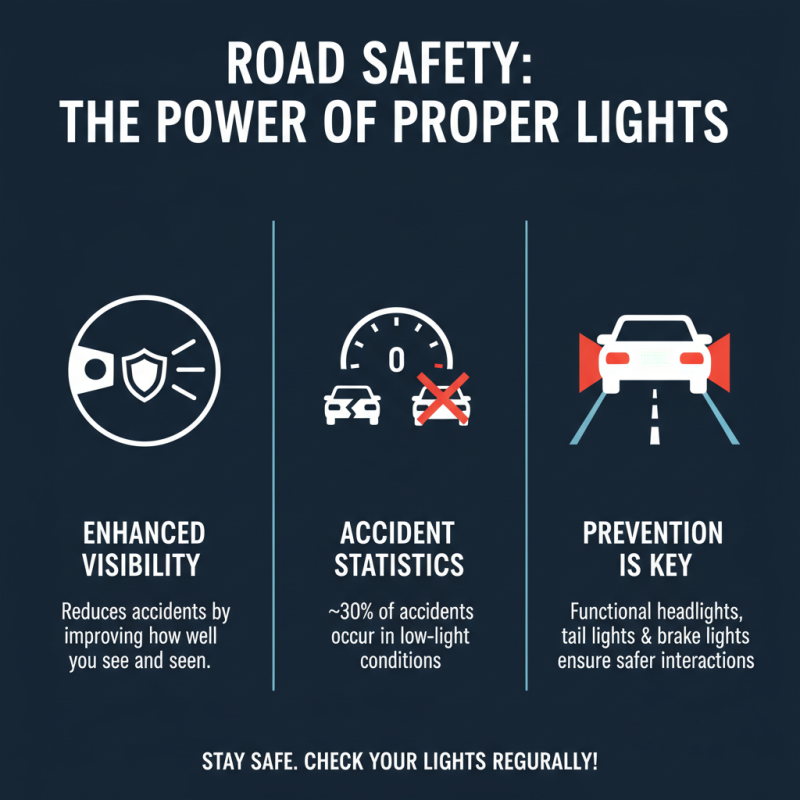
Properly functioning car lights play a crucial role in enhancing vehicle safety and visibility on the road. Statistics indicate that nearly 30% of all vehicle accidents occur during low-light conditions, such as at night or during inclement weather. When vehicle lights—such as headlights, taillights, and brake lights—are not operating effectively, the likelihood of collisions increases significantly. Studies have shown that well-lit vehicles are more visible to other drivers, reducing the chances of miscommunication and ensuring safer interactions on the road.

Furthermore, the effectiveness of vehicle lights extends beyond mere visibility for the driver. Research highlights that pedestrians and cyclists are at greater risk during nighttime, with nearly 75% of fatal accidents involving these vulnerable road users happening in low-light situations. Clear visibility provided by working lights not only helps drivers to see better but also enables others on the road to identify and react to vehicles more promptly. This interconnectedness emphasizes the importance of maintaining car lights, as they are vital for a holistic approach to road safety—benefiting both the drivers and the surrounding community.

Technological Advancements in Car Lighting and Their Safety Benefits

Recent advancements in car lighting technology have significantly enhanced vehicle safety and visibility. Lighting systems have evolved from traditional halogen bulbs to more effective options like LED and adaptive headlights. According to the National Highway Traffic Safety Administration (NHTSA), proper illumination can reduce nighttime crash risk by 50%. These modern lighting solutions not only provide brighter and clearer visibility but also adapt to driving conditions, such as oncoming traffic and road curvature, improving the driver’s reaction time to potential hazards.

Furthermore, advancements like automatic high beams and cornering lights help to illuminate dark areas on curvy roads, ensuring that drivers can see pedestrians and obstacles more easily. The Institute of Transportation Engineers reports that vehicles equipped with advanced lighting systems have shown a 20% reduction in accidents during low-light conditions. As these technologies continue to develop, they also offer users enhanced energy efficiency, which contributes to overall vehicle performance.

Tips for drivers: Always keep your headlights clean and properly aligned, as dirt and misalignment can drastically reduce their effectiveness. Additionally, don’t hesitate to upgrade to the latest lighting technology if you frequently drive in low-light conditions, as improved visibility is a significant factor in ensuring your safety on the road. Regularly inspect your vehicle's lighting system to ensure everything is functioning well, especially before long trips.

Importance of Car Lights in Vehicle Safety and Visibility

This chart illustrates the brightness (measured in lumens) of different types of car lights, showcasing the significant advancements in car lighting technology. The brighter the light, the better the vehicle visibility and safety on the road, underscoring the importance of choosing the right type of headlights for enhanced safety and visibility.

Regulations and Standards Governing Car Lighting for Enhanced Visibility

Car lighting plays a crucial role in ensuring vehicle safety and enhancing visibility on the road. Various regulations and standards govern car lighting systems, ensuring that drivers and pedestrians can see and be seen. These regulations dictate the brightness, positioning, and functionality of headlights, brake lights, and turn signals, among others. For example, the United States follows the Federal Motor Vehicle Safety Standards (FMVSS), which stipulate minimum performance requirements for lighting equipment to promote safer driving conditions. Similar standards are upheld across different regions, making compliance essential for manufacturers and vehicle owners alike.

Tips for maintaining optimal visibility include regularly checking the condition and alignment of your headlights. Dim or misaligned lights can significantly reduce your ability to see the road ahead, particularly in low-light conditions. Additionally, ensuring your brake lights and turn signals are functioning properly is vital, as they alert other drivers to your movements. It's advisable to clean the lenses of your lights frequently, as dirt and grime can diminish their effectiveness. Following these simple maintenance tips not only adheres to regulations but also enhances overall road safety for everyone.

Start typing and press Enter to search