Ultimate Guide to Finding Quality Junkyard Parts for Your Vehicle

When it comes to maintaining or repairing your vehicle, finding high-quality junkyard parts can be a game-changer. Not only do these components offer a cost-effective solution, but they also provide an opportunity for eco-conscious vehicle owners to contribute to sustainability by recycling parts. However, navigating the world of junkyards can be daunting, especially for those who are unfamiliar with the process. This guide aims to demystify the search for reliable junkyard parts, offering essential tips and strategies to ensure you make informed decisions that benefit both your wallet and your vehicle's longevity.

As you embark on your journey to uncover valuable hidden treasures among junkyard parts, it is crucial to understand what to look for and how to assess the quality of the items you encounter. From checking compatibility with your vehicle to evaluating the condition of parts, this guide will equip you with the knowledge needed to turn a potential challenge into an exciting hunt. Whether you're a seasoned mechanic or a DIY enthusiast, mastering the art of finding quality junkyard parts will empower you to take control of your vehicle's upkeep without breaking the bank.

Ultimate Guide to Finding Quality Junkyard Parts for Your Vehicle

Understanding the Importance of Quality Junkyard Parts in Vehicle Repair

When it comes to vehicle repair, the importance of quality junkyard parts cannot be overstated. Many car owners overlook the potential of junkyard components, often associating them with subpar performance or reliability issues. However, the reality is that many junkyard parts are perfectly functional and can offer a cost-effective solution for repairs. These parts are often sourced from vehicles that have been involved in minor accidents or have been retired for reasons unrelated to the performance of the individual components, making them viable options for maintaining or restoring your vehicle's functionality.

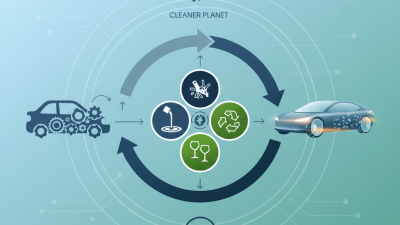
Quality junkyard parts not only help in minimizing repair costs but also contribute to the sustainability of automotive practices. Utilizing salvaged components reduces waste and promotes recycling within the automotive industry. When sourced correctly, parts from reputable junkyards can serve as reliable replacements, ensuring that repairs are completed effectively without compromising on quality. As vehicle technology advances, many older models are dismantled, providing access to well-maintained parts that might no longer be available through traditional retail channels. Therefore, recognizing the importance of quality junkyard parts can lead to smarter, more sustainable vehicle repair choices.
Identifying Reliable Junkyards: Key Factors to Consider

When searching for reliable junkyards to source quality parts for your vehicle, there are several key factors to consider. Firstly, the reputation of the junkyard is crucial. Look for facilities that have positive reviews and testimonials from past customers. Online forums and local community boards can be valuable resources for gathering information about different junkyards. A well-regarded junkyard often indicates a history of trustworthy practices and satisfied customers.

Additionally, assess the organization and inventory of the junkyard. A well-maintained junkyard that arranges its vehicles and parts in an orderly fashion is more likely to have functional components readily available. Check if they have an inventory system in place, either online or in person, to streamline your search for specific parts.

Finally, consider the customer service offered by the junkyard. Friendly and knowledgeable staff can greatly enhance your experience, providing guidance and recommendations based on your vehicle’s needs. By focusing on these key factors, you can ensure a successful visit to a junkyard and find the parts you need efficiently.

Evaluating Parts Quality: Signs of a Good Junkyard Find

Ultimate Guide to Finding Quality Junkyard Parts for Your Vehicle

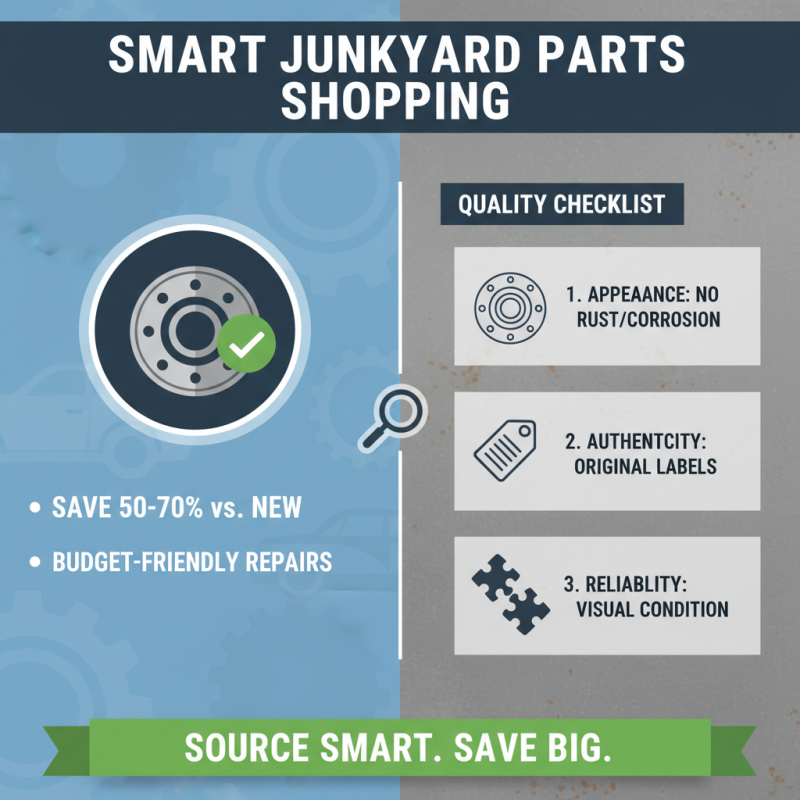
When searching for quality junkyard parts for your vehicle, it’s essential to be able to evaluate the condition and reliability of the items you find. A study conducted by the Automotive Aftermarket Industry Association (AAIA) highlighted that recycled auto parts can be as much as 50-70% cheaper than new components, making them an attractive option for budget-conscious consumers. However, not all junkyard finds are created equal. To ensure you’re investing in quality parts, look for key indicators such as the part's overall appearance, lack of rust or corrosion, and the presence of original manufacturing labels which can attest to authenticity.

Another important factor to consider is the part's history. A report from the International Automotive Remarketers Alliance (IARA) suggests that knowing the previous use of a part can significantly inform its potential longevity and performance. Parts that are sourced from vehicles with fewer miles or that have been well-maintained by previous owners are typically in better condition. Additionally, always inspect the part thoroughly; check for cracks, breaks, or wear that could suggest it won't perform optimally. By carefully examining these factors, you can increase the chances of making a sound investment in quality junkyard parts that will serve your vehicle well.

Pricing Tactics: How to Negotiate for Junkyard Parts Effectively

When searching for junkyard parts, effective negotiation can significantly impact the final price you pay. According to a recent industry report, many consumers find they can save up to 30% off retail prices when negotiating skillfully at junkyards. Start by researching the average market value of the parts you need—websites and online marketplaces can provide comparative prices that will empower you during negotiations. Knowledge is power, and your familiarity with standard rates can enhance your bargaining position.

Tips for Effective Negotiation: Always maintain a polite and respectful demeanor. Building rapport with the junkyard staff can lead to better deals. Additionally, consider timing your visit during busier days, as sellers may be more willing to negotiate just to reduce their inventory. Lastly, don't hesitate to ask for discounts on bulk purchases—many junkyards will offer deals for multiple items, which can maximize your savings.

Understanding how to negotiate effectively also involves knowing when to walk away. If the initial offer feels too high compared to your research, express your budget constraints candidly. A willingness to explore other options often leads junkyard owners to reconsider their pricing, sometimes resulting in even better offers. Being patient and not rushing into a purchase will increase your chance of securing a deal that fits your budget while still providing you the quality parts you need.

Navigating Regulations: Legal Considerations When Buying Used Auto Parts

When purchasing used auto parts from junkyards, it's essential to navigate the legal considerations that govern such transactions. First and foremost, understanding the local regulations regarding the sale of used parts is crucial. Different states or municipalities may have specific laws concerning warranties, returns, and the documentation required for purchasing second-hand items. Buyers should inquire about these rules to ensure they are compliant and protected when acquiring parts that may not always come with guarantees.


Additionally, it is important to verify the legitimacy of the junkyard itself. Ensure the yard operates with necessary licenses and adheres to environmental regulations concerning the disposal of hazardous materials. Some states require junkyards to maintain detailed records of parts sales as a measure to prevent the sale of stolen goods. Buyers should request any available provenance of parts to confirm their origin and ensure they are legally acquired.


Educating oneself on these legal aspects can help foster a safer and more responsible buying experience, protecting not only the consumer but also supporting ethical business practices within the auto parts industry.

Start typing and press Enter to search