How to Find Quality Junkyard Auto Parts for Your Vehicle?

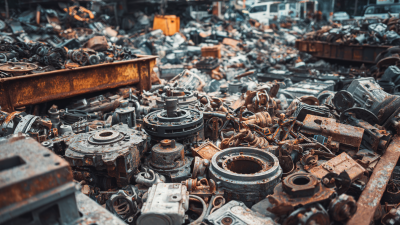
Finding quality junkyard auto parts can be a rewarding experience for vehicle owners. Many believe that junkyards offer only old and rusted parts, but that’s far from the truth. Skilled shoppers can discover hidden gems that are both affordable and reliable.

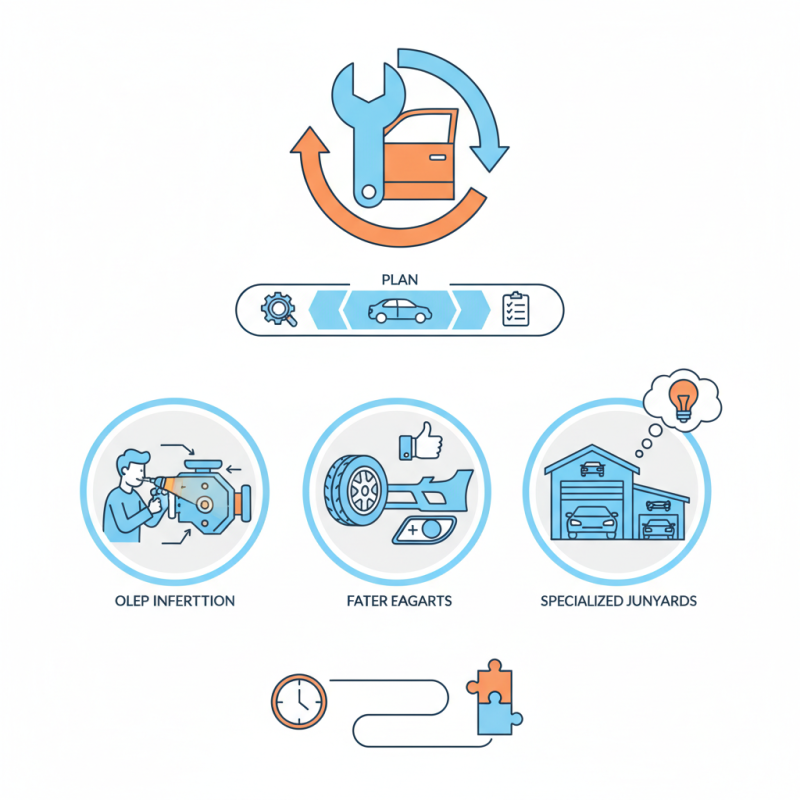
When searching for junkyard auto parts, it’s crucial to have a plan. Knowing what you need reduces time and increases the chances of finding quality items. Many auto parts are gently used or even nearly new. Inspecting parts thoroughly is essential. Look for visible damage or signs of wear.

Keep in mind that not all junkyards are the same. Some specialize in certain makes or models, while others might have a wide selection. Engaging with professionals at these yards can lead to insightful recommendations. The key is to remain patient and open-minded during your search. Sometimes, what initially seems like a poor choice may turn out to be a perfect fit.
How to Find Quality Junkyard Auto Parts for Your Vehicle?

Understanding the Benefits of Using Junkyard Auto Parts

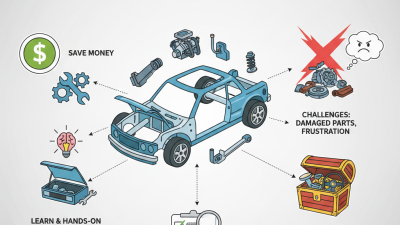
Exploring junkyard auto parts can be a practical choice for many vehicle owners. Junkyard parts are often significantly cheaper than new alternatives. According to a recent industry report, using salvage auto parts can save consumers up to 50% on repairs. This is a compelling reason to consider these options.

Not only are junkyard parts cost-effective, but they also contribute to environmental sustainability. By reusing parts, we reduce the demand for new manufacturing. The automotive recycling industry has grown, with millions of vehicles being recycled each year. This practice not only conserves resources but also keeps waste out of landfills.

However, sourcing quality junkyard parts requires careful inspection. Not all parts are in good condition, and some may need refurbishment. Checking for wear and tear is vital. Some parts may lack warranties, leading to uncertainty. It's essential to research the specific parts needed, ensuring they meet safety and reliability standards. It's a balance of cost versus quality that needs evaluation.
Identifying Reputable Junkyards in Your Area

When searching for reputable junkyards in your area, start by checking online reviews. Websites and forums often provide insights from previous customers. Look for junkyards with positive feedback and a solid reputation. A good sign is consistent praise for customer service and fair pricing.


Visit local junkyards to assess their organization. A well-kept yard often indicates professionalism. Notice how the parts are stored. Properly labeled items show attention to detail. Don’t hesitate to ask about their return policy. A reliable junkyard should offer some form of guarantee on parts.


Talk to the staff as well. Knowledgeable employees can provide valuable information. They may even guide you to parts you didn't know you needed. Being courteous and asking the right questions can lead to better deals. Remember, not all junkyards are equal. Take your time to find one that meets your standards. It might take a few visits to find the right fit.

Assessing the Condition and Quality of Parts

When searching for junkyard auto parts, evaluating their condition is crucial. Statistics show that nearly 30% of all vehicle owners opt for used parts to save on repair costs. However, the quality of these parts can vary significantly. Thorough inspection becomes essential to ensure reliability.

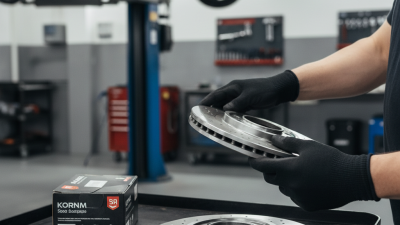
Begin by looking for surface damage, rust, or signs of wear. Many experts recommend checking the part's compatibility with your vehicle's make and model. A well-preserved component can last as long as a new one. Research indicates that a significant percentage of parts from reputable junkyards are almost as reliable as new ones, provided they are well-maintained.

Consider asking the junkyard staff about the part's history. You might find that a component was removed due to minor issues or a vehicle's total loss. Documentation, such as receipts or warranties, can offer peace of mind. Remember, not all parts are created equal. In some cases, a seemingly fine piece may have hidden defects. Always trust your judgment and seek a second opinion if necessary.

Tips for Negotiating Prices and Making Purchases

How to Find Quality Junkyard Auto Parts for Your Vehicle?

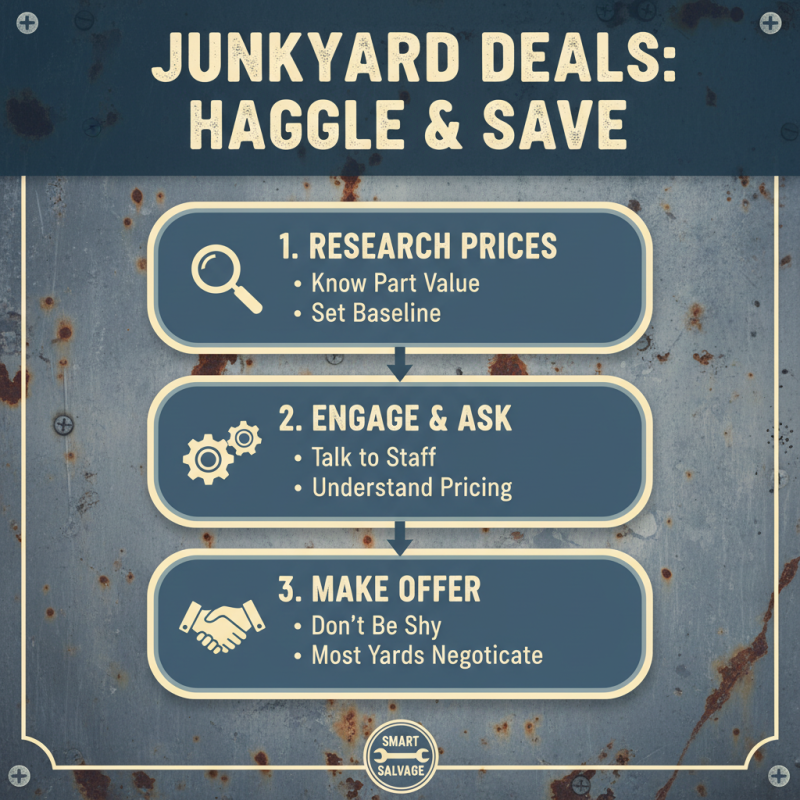
When visiting a junkyard, haggling can be a daunting task. Start by researching typical prices for the parts you need. This knowledge gives you a baseline for negotiation. Remember, most yards are open to offers. If you’re unsure, ask about the pricing structure. Engage the staff; they are often helpful and knowledgeable.

Look for any flaws in the parts you want. Scratches or dents may soften the price. If you spot issues, use them as leverage. Don’t hesitate to suggest a lower price based on your findings. Trust your gut during discussions. If the deal feels off, it probably is.

Often, parts may not be in pristine condition or may lack completeness. Inspect the part well, and if possible, test its functionality. You might encounter uncertainty about whether the part will fit perfectly. Don’t rush your decision. Weariness can lead to regrets later. Take your time to choose wisely. Every interaction counts, so communicate clearly and respectfully, which can foster a better deal.

Safety and Legal Considerations When Buying Used Auto Parts

When buying used auto parts, safety is crucial. You must ensure the parts are in good condition. Inspect components for rust, cracks, or any signs of wear. A worn-out part can lead to further damage or accidents. Always ask for history on the part. Knowing how long it was used can help you gauge its life expectancy.

Legal considerations also play an important role. Not all auto parts are legal to sell or use. It’s essential to verify the seller’s credibility. Dealers should have a solid reputation and proper documentation. Using parts that do not meet safety standards can result in serious consequences. Familiarize yourself with local regulations regarding used parts. This knowledge helps you make informed decisions.

Be cautious of counterfeit parts, which can be hard to distinguish from genuine ones. Check for labels, serial numbers, or certifications. When in doubt, seek advice from professionals or mechanics. Their expertise can guide you in making safer choices. Balance your need for cost-effective solutions with the responsibility of ensuring safety and compliance.

Start typing and press Enter to search