When it comes to maintaining your vehicle, selecting the right auto parts is crucial for both performance and safety. Industry expert Johnathan R. Smith, an automotive technician with over 20 years of experience, emphasizes the importance of making informed decisions in this area, stating, “The right parts auto parts can mean the difference between a smoothly running vehicle and a costly breakdown.” As vehicles become increasingly complex, understanding the nuances of parts selection is essential for both DIY enthusiasts and professional mechanics alike.
Choosing quality auto parts not only ensures optimal vehicle performance but also extends the lifespan of various components. With countless options available in the market, from aftermarket alternatives to OEM parts, navigating this landscape can be daunting. However, by considering factors such as compatibility, quality, and supplier reputation, vehicle owners can make choices that enhance reliability and efficiency. This article presents the top 10 essential tips for selecting the right auto parts, ensuring that your vehicle remains in peak condition while saving you time and money in the long run.

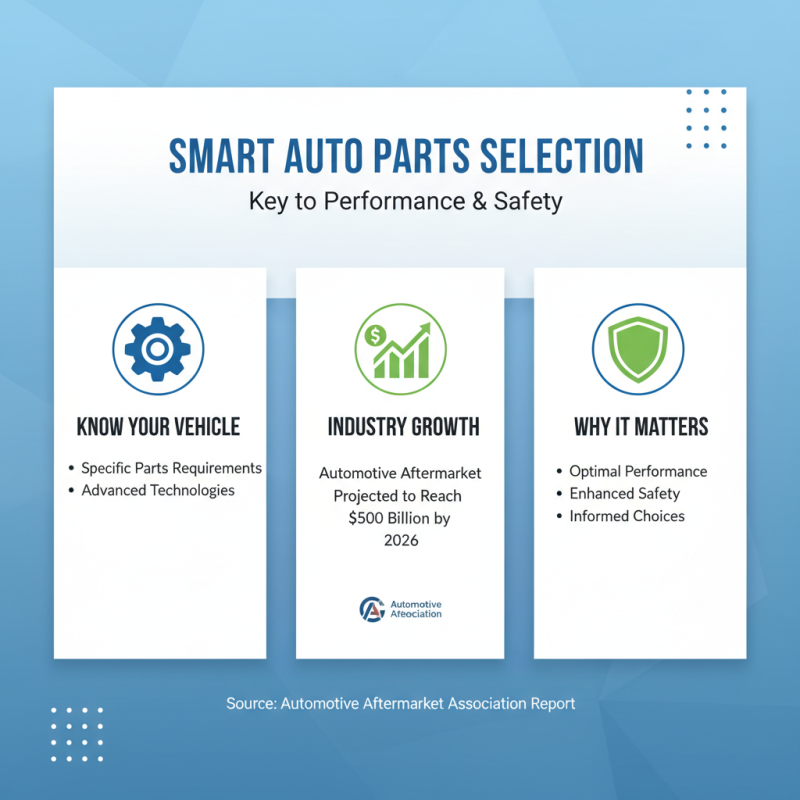
When selecting the right auto parts for your vehicle, understanding your vehicle's specific parts requirements is crucial. According to a report from the Automotive Aftermarket Association, the automotive aftermarket industry is projected to reach $500 billion by 2026, highlighting the importance of informed choices when it comes to parts selection. Vehicles today come equipped with advanced technologies, requiring owners to have a comprehensive understanding of their specific components to ensure optimal performance and safety.
To begin with, it is essential to consult your vehicle’s owner manual, which provides vital information regarding the specifications and compatible parts for your make and model. This document often contains part numbers, sizes, and types that align with your vehicle's design. Additionally, leveraging online databases or part catalogs can enhance your understanding of compatibility, especially when considering aftermarket options. Research indicates that over 60% of auto part returns occur due to incorrect fitment, underscoring the importance of sourcing parts that meet your vehicle’s precise requirements.
Moreover, experienced professionals stress the significance of quality over cost when selecting parts. A study from the National Automotive Dealers Association shows that while cheaper parts may seem attractive, they can lead to premature failures or safety issues, ultimately resulting in higher long-term costs. Therefore, being well-informed about your vehicle’s specific needs is not just about ensuring compatibility but also about maintaining the integrity and safety of your vehicle in the long run.
When selecting auto parts, understanding quality standards is crucial to ensuring both performance and safety. The Automotive Industry Action Group (AIAG) reports that up to 30% of aftermarket auto parts fail to meet quality specifications, which can lead to decreased vehicle reliability and increased repair costs. Therefore, recognizing standards such as ISO/TS 16949, which focuses on quality management systems in the automotive sector, can be instrumental in identifying parts that will deliver longevity and durability.
Moreover, the Society of Automotive Engineers (SAE) has established robust guidelines and performance criteria designed to help consumers and mechanics select the highest quality components. Adhering to these standards not only enhances the lifespan of the vehicle but also promotes safety on the road. Research indicates that vehicles using higher quality parts experience a 20-50% reduction in failure rates compared to those with lower-quality replacements. By prioritizing these quality benchmarks, vehicle owners can make informed decisions that significantly impact their automobile's performance and overall safety.
This chart illustrates the percentage of vehicle owners who prioritize different quality standards when selecting auto parts. The data represents insights from various automotive research studies conducted in 2023.
When selecting auto parts for your vehicle, the primary consideration should be compatibility with your specific make and model. According to the Automotive Aftermarket Industry Association (AAIA), improper part selection can lead to decreased vehicle performance and increased repair costs. It’s crucial to reference the vehicle identification number (VIN) to ensure the parts you are considering are designed for your vehicle. Research shows that vehicles manufactured after 2000 often have more complex electronic systems, making compatibility even more critical; using non-compatible parts can sometimes compromise the functionality of these systems.
In addition to checking your VIN, utilizing online databases and part catalogs provided by industry experts can significantly improve your chances of finding the right parts. Data from the National Automobile Dealers Association (NADA) indicates that about 80% of aftermarket parts purchased are returned or exchanged due to compatibility issues. This statistic highlights the importance of thorough research before making a purchase. Furthermore, ensuring that the parts meet original equipment manufacturer (OEM) specifications can enhance longevity and performance, ultimately saving you money in the long run. Keeping these key considerations in mind will not only optimize your vehicle's performance but also enhance your overall driving safety.
| Tip Number | Tip Description | Considerations | Benefits |
|---|---|---|---|
| 1 | Check Manufacturer Specifications | Consult your vehicle's manual for OEM part numbers. | Ensures optimal fit and performance. |
| 2 | Compare Prices | Look for multiple suppliers for pricing. | Saves money on purchases. |
| 3 | Evaluate Part Materials | Research the quality of materials used in the part. | Increases durability and longevity of the part. |
| 4 | Consider Aftermarket vs OEM | Weigh the benefits of aftermarket parts versus OEM. | Aftermarket parts can be more affordable. |
| 5 | Read Reviews | Check customer feedback on parts. | Provides insights into performance and reliability. |
| 6 | Ask for Recommendations | Consult mechanics or auto experts. | Guidance from experienced professionals. |
| 7 | Check Warranty and Return Policies | Review policies before purchasing. | Protection if the part is defective or unsuitable. |
| 8 | Ensure Proper Fitment | Verify dimensions and compatibility. | Avoids installation issues. |
| 9 | Keep Important Contact Information Handy | Have mechanic or supplier contact details ready. | Facilitates quick assistance when needed. |
| 10 | Mind Environmental Regulations | Adhere to local laws regarding auto parts. | Ensures compliance and contributes to sustainability. |
When it comes to purchasing auto parts, comparing prices and warranty options is vital to ensuring you get the best deal without sacrificing quality. Start by researching multiple suppliers to gather a range of prices for the specific parts you need. This will not only help you identify the average cost but also highlight any outliers, such as significantly cheaper options that may indicate inferior quality or reliability issues. Utilize online marketplaces, local retailers, and specialty auto shops in your comparison efforts.
Warranties are equally important when making your decision. A comprehensive warranty can serve as a safety net, protecting your investment in case the part fails prematurely. When evaluating warranty options, pay attention to the length and terms of coverage offered by different suppliers. Some may provide extended warranties or guarantees that cover both defective workmanship and the part's overall performance. Taking the time to understand these aspects will help you choose auto parts that not only fit your budget but also meet the performance standards required for your vehicle’s longevity.
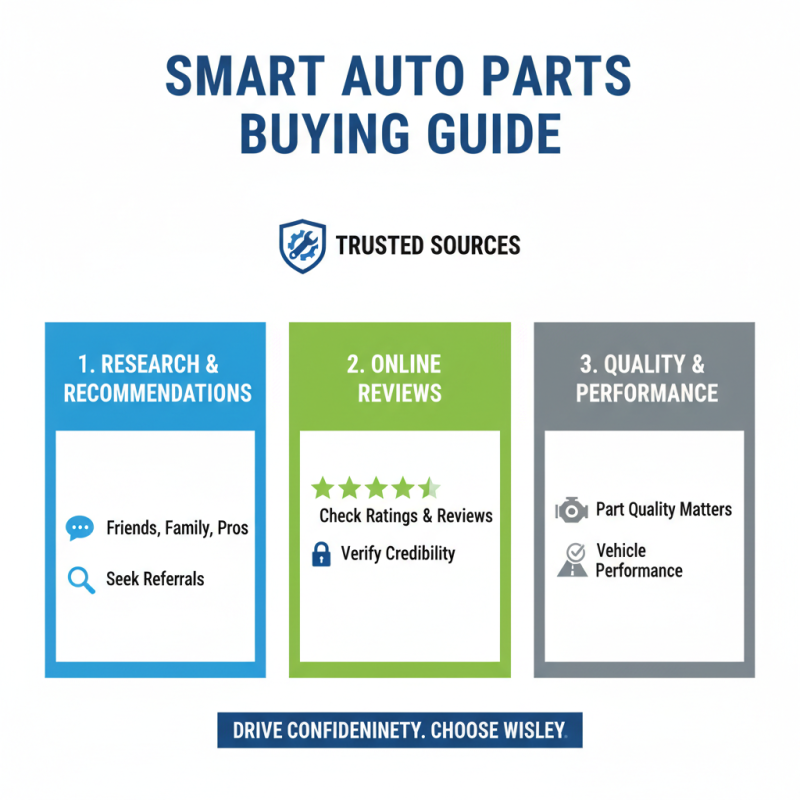
When it comes to purchasing auto parts, conducting thorough research on reputable sources is crucial. A trusted supplier can significantly impact both the quality of the parts you buy and the overall performance of your vehicle. Start by seeking recommendations from friends, family, or automotive professionals who can point you toward reliable vendors. Online reviews and ratings can provide useful insights into prospective suppliers, but it's essential to verify that these reviews come from credible sources to avoid biased opinions.
Additionally, consider joining automotive forums or communities where enthusiasts share experiences and insights about various auto parts suppliers. These forums often feature discussions that reveal which vendors offer the best customer service, product quality, and guarantee policies. Don’t hesitate to ask questions and gather information from fellow car owners who may have already dealt with the vendors you're considering. This collective knowledge can guide you in making informed decisions and lead you to sources that are both reputable and suitable for your specific vehicle needs.
Logel’s Auto Parts
116 Bridge St East
Kitchener, Ontario
N2K 1J6
Phone: 519-745-4751
Toll Free: 1-800-818-9118
Hours 8:00-5:00 Monday to Friday
At Logel’s Auto Parts, we serve a range of communities in Southern Ontario, including:
Sign up today for the latest updates from the Logel’s Auto Parts team, including pricing for scrap vehicles, our newest product lines, current operating hours, and much more.