How to Effectively Embrace Automotive Recycling to Protect the Environment
In today's rapidly evolving automotive industry, the integration of sustainable practices has become paramount for environmental protection. Automotive recycling plays a crucial role in this transition, allowing for the recovery of valuable materials and minimizing waste. According to Dr. Lisa Thompson, a renowned expert in the field of automotive sustainability, "Automotive recycling is not just a choice; it is a necessity in our pursuit of a cleaner planet." Her insights underscore the urgency to harness the potential of recycling processes within the automotive sector.
As the world faces increasing environmental challenges, embracing automotive recycling can significantly reduce the ecological footprint of vehicle manufacturing and disposal. By reprocessing materials such as metals, plastics, and glass, the industry can lower energy consumption and decrease the demand for virgin resources. Ultimately, effective automotive recycling practices not only contribute to a healthier environment but also pave the way for innovation in the circular economy.
To navigate the complexities of automotive recycling, collaboration between manufacturers, policymakers, and consumers is essential. This synergy will enhance recycling rates and foster a culture that prioritizes sustainability. Embracing these practices is vital not only for the automotive industry but also for safeguarding our planet for future generations.

Understanding the Importance of Automotive Recycling for Environmental Protection
Automotive recycling plays a crucial role in protecting the environment by reducing waste and conserving valuable natural resources. Every year, millions of vehicles reach the end of their life cycle, and recycling these automobiles not only minimizes landfill waste but also allows for the recovery of metals, plastics, and glass. By reprocessing these materials, we reduce the need for new raw materials, which in turn lowers energy consumption and greenhouse gas emissions associated with manufacturing processes.
Tips for effective automotive recycling include ensuring that the vehicle is dismantled by certified recyclers who follow environmentally friendly practices. Seek out facilities that have proper hazardous waste management protocols in place to handle fluids and materials that could harm the environment. Additionally, removing personal items from the vehicle prior to recycling can streamline the process and ensure that it is completed efficiently.
Another important aspect of automotive recycling is educating consumers about the significance of their choices. When purchasing a new vehicle, opt for models that are designed with recyclability in mind. Consider donating working parts or whole vehicles instead of scrapping them. Such actions not only extend the life of automobile materials but also contribute to a more sustainable approach in the automotive industry, ultimately protecting our planet for future generations.
Key Steps in the Automotive Recycling Process: From Car Collection to Reuse
The automotive recycling process is a crucial aspect of environmental protection that requires a structured approach. It begins with car collection, where vehicles that are no longer in use are gathered from various sources, including dealerships, junkyards, and individual owners. This initial step is vital, as it allows recyclers to assess the condition of the vehicles and determine the potential for reuse of parts and materials. Proper car collection also ensures that hazardous materials, such as oils and batteries, are handled safely and responsibly.
Once the cars are collected, the next phase involves the dismantling process. Recyclers carefully remove reusable parts, such as engines, transmissions, and body components, which can be refurbished for resale. After dismantling, valuable materials like steel, aluminum, and plastics are extracted for recycling. This step not only minimizes waste but also contributes to the
conservation of natural resources.
Tips: To participate in automotive recycling effectively, consider organizing community collection events to raise awareness and facilitate the proper disposal of old vehicles. Additionally, always check for certified recyclers in your area to ensure that the dismantling and recycling processes are done in an environmentally friendly manner. Engaging with local recycling programs can also lead to partnerships that benefit both the community and the environment.
Materials Recovery in Automotive Recycling: What Can Be Recycled?
Automotive recycling plays a crucial role in materials recovery, contributing significantly to environmental protection. According to the Automotive Recyclers Association (ARA), nearly 95% of a vehicle can be recycled, which translates into a vast array of materials being recoverable. Commonly recycled components include metals such as steel and aluminum, which make up about 65% of a car's weight. These materials, when recycled, conserve natural resources and energy; for instance, recycling aluminum can save up to 95% of the energy required to produce new aluminum from raw materials, making it a sustainable choice.
Beyond metals, automotive recycling also encompasses various other materials. Plastics, rubber, and glass are also significant components that can be efficiently recycled. The Environmental Protection Agency (EPA) notes that over 3 million tons of scrap tires are generated annually, and many of these can be repurposed for automotive applications such as new tires or other rubber products. Additionally, the recycling of automobile glass not only helps reduce landfill waste but also promotes the reuse of these materials in new glass products. Each vehicle's recycling process can recover around 200 pounds of plastics, thus enhancing the circular economy within the automotive sector. Embracing these recycling efforts is vital in fostering a sustainable future and minimizing environmental impact.
Regulatory Framework and Standards Governing Automotive Recycling Practices
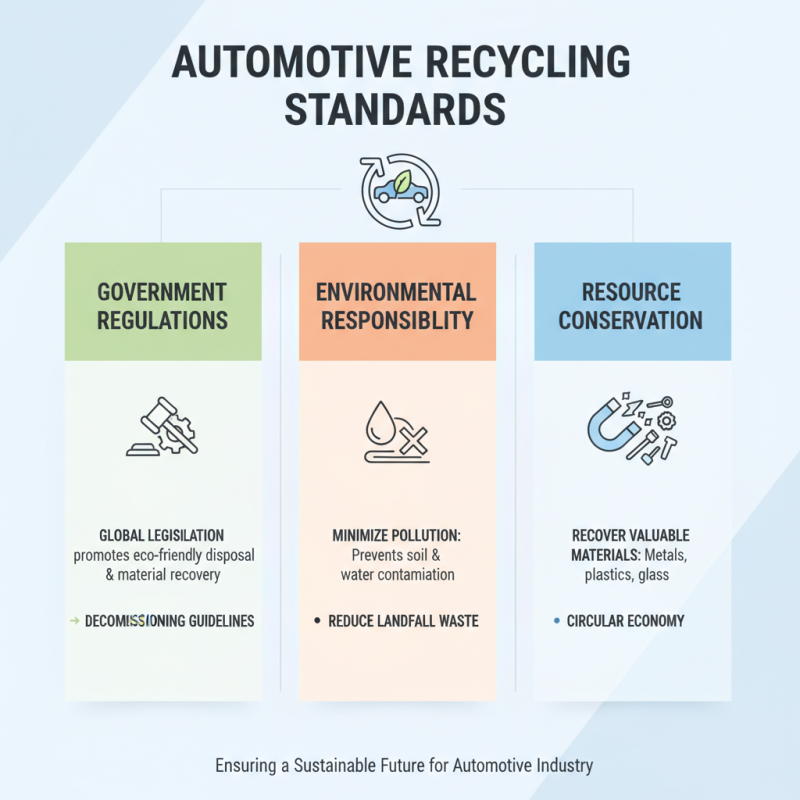
The regulatory framework and standards governing automotive recycling practices are essential for ensuring that the recycling process is conducted in an environmentally responsible manner. Governments globally have recognized the importance of implementing legislation that not only encourages recycling but also establishes clear guidelines for how vehicles are decommissioned and processed. Compliance with these regulations helps to minimize environmental impacts, such as soil and water contamination, while promoting the recovery of valuable materials.
Various standards address issues like the safe handling of hazardous materials, which can be present in vehicles, including batteries, fluids, and certain components. Automotive recyclers must adhere to specific protocols to ensure these materials are disposed of correctly and do not pose risks to human health or the environment. Furthermore, certifications such as ISO 14001 for environmental management systems can guide recyclers in developing practices that align with sustainability goals, thereby enhancing their operational efficiency and compliance with environmental regulations. By embracing these frameworks, the automotive recycling industry can effectively contribute to a circular economy and the protection of the environment.
Community Involvement and Awareness in Promoting Automotive Recycling Efforts
Community involvement plays a pivotal role in promoting automotive recycling efforts, significantly impacting environmental conservation. According to the Automotive Recyclers Association, recycled vehicles make up a substantial portion of the materials used in the production of new automotive parts. In fact, it is estimated that recycling just one vehicle can save up to 2,500 pounds of iron and steel, 200 pounds of aluminum, and 1,000 gallons of water that would otherwise be consumed in the manufacturing process. Therefore, raising awareness about automotive recycling within communities can lead to increased participation, ultimately reducing the environmental footprint of vehicle disposal.
Engaging local communities in automotive recycling initiatives can foster a culture of sustainability and responsible consumption. Educational programs and workshops can inform residents about the benefits of recycling vehicles and the proper ways to dispose of them. The Environmental Protection Agency noted that approximately 27 million vehicles reach the end of their life cycle each year in the U.S., making it vital for individuals and communities to actively participate in recycling programs. Events like recycling drives or partnerships with local auto salvage yards can encourage responsible recycling habits and increase community involvement in environmental protection efforts. By promoting automotive recycling at the grassroots level, communities not only help safeguard the environment but also create opportunities for economic growth within the recycling sector.