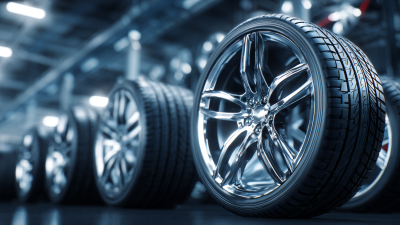
As the automotive industry shifts towards a more sustainable future, the importance of upgrading vehicles with eco parts has never been greater. According to a recent report by the International Council on Clean Transportation (ICCT), the implementation of eco-friendly components can lead to a significant reduction in greenhouse gas emissions, with estimates suggesting that such upgrades could reduce a vehicle's carbon footprint by up to 30%. This trend is not only environmentally responsible but also aligns with consumer preferences, as a survey conducted by AutoPacific revealed that 78% of car buyers rank sustainability as a top priority in their decision-making process.
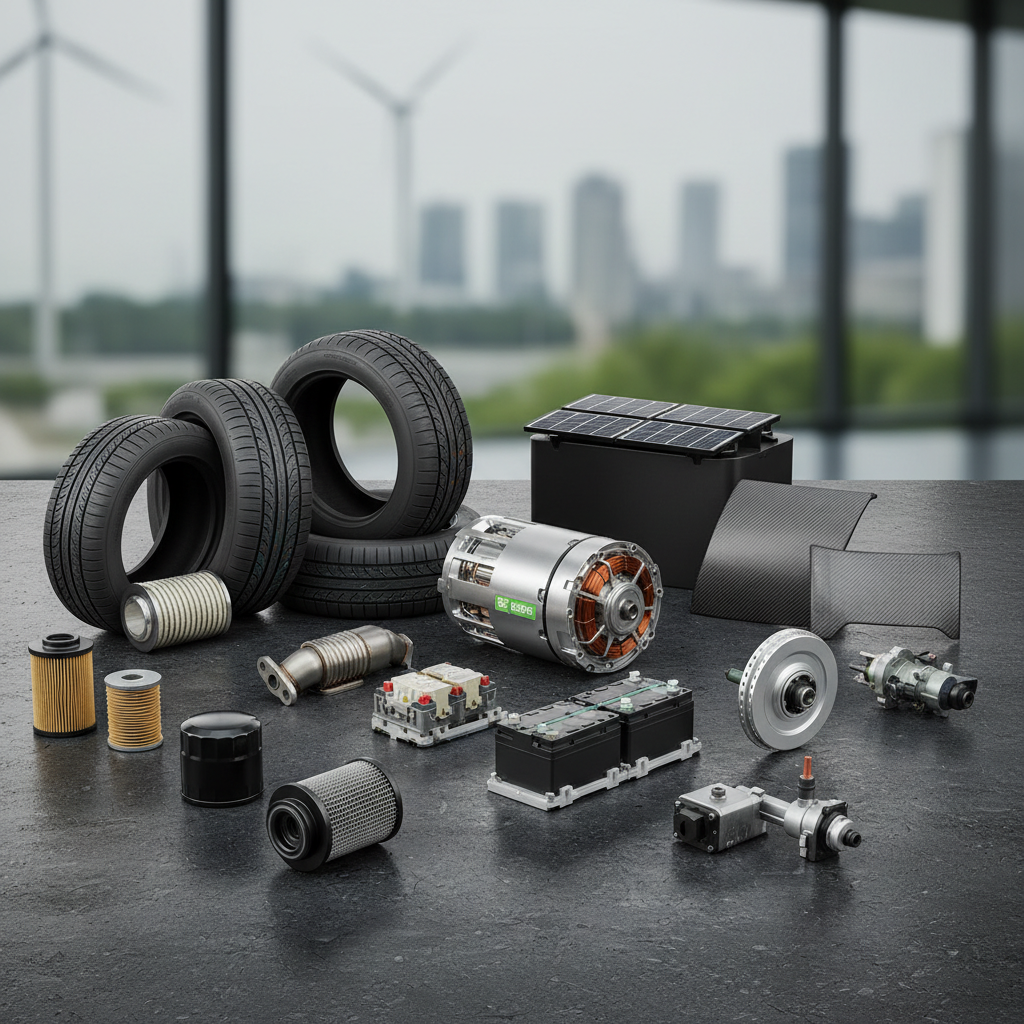
Experts in the field emphasize the necessity of eco parts for achieving long-term sustainability goals. Dr. Emily Foster, a leading researcher in automotive sustainability, states, "The integration of eco parts into vehicles is crucial for minimizing environmental impact and fostering a cleaner planet." This statement echoes the sentiment that embracing green technology not only benefits the environment but can also enhance vehicle performance and longevity. As we explore the top 10 eco parts to upgrade your vehicle for sustainability in 2025, it becomes clear that these innovations represent a pivotal step towards a more eco-conscious automotive landscape.
Eco-friendly tires play a pivotal role in enhancing fuel efficiency and vehicle performance, making them a key upgrade for sustainability-minded drivers. As the global automotive tire market continues to expand, it is projected to grow from $165.94 billion in 2025 to an impressive $237.15 billion by 2032, demonstrating a compound annual growth rate (CAGR) of 4.66%. This growth is spurred not only by increased vehicle ownership but also by a rising demand for eco-friendly options in both original equipment and aftermarket sales.
In the United Kingdom, the tire industry is also witnessing significant opportunities, particularly in the premium eco-friendly segment. The UK tire market is expected to thrive as sustainable practices become increasingly prioritized among consumers. With projections indicating that the global commercial vehicle tires market will grow from $20.71 billion in 2025 to $33.90 billion by 2032 at a CAGR of 7.2%, it is evident that both manufacturers and consumers are recognizing the importance of investing in sustainable tire solutions that contribute to lower emissions and improved fuel efficiency.

In the pursuit of a more sustainable automotive industry, lightweight body kits have emerged as a transformative solution to reduce emissions and enhance fuel efficiency. According to a study by the Environmental Protection Agency (EPA), every 10% reduction in vehicle weight can lead to a fuel economy improvement of approximately 6-8%. This significant boost underlines the necessity of upgrading vehicle components to lighter materials, particularly in body kits, which can drastically influence overall performance.
Materials such as carbon fiber and advanced composites not only provide strength and durability but also contribute to a substantial reduction in energy consumption during production. A report from the European Commission highlights that utilizing lightweight materials can help manufacturers meet stringent emissions regulations, as lighter vehicles require less energy to operate. By investing in sustainable body kits, drivers can achieve a dual benefit: lower operating costs and a commendable reduction in their carbon footprint. Embracing these eco-friendly upgrades reflects a growing trend towards environmentally responsible automotive practices, aligning performance with sustainability goals.
The global electric vehicle (EV) market is poised for significant growth, with its size expected to surge from $12.99 billion in 2025 to $28.99 billion by 2032, reflecting a robust compound annual growth rate of 12.2%. This expansion is particularly fueled by advancements in high-performance hybrid batteries, which are essential for enhancing the range and overall efficiency of electric vehicles. As battery energy density, charging speed, and lifespan improve, the viability of electric vehicles for both on-road and off-road applications becomes increasingly attractive.
The off-highway electric vehicle parts market is also on an upward trajectory, with substantial growth anticipated by 2034. The ongoing improvements in solid-state battery technology—promising a staggering range of 1,500 kilometers and charging speeds that are three times faster—indicate a pivotal moment for the industry. Although solid-state batteries are nearing commercialization, challenges such as high costs and technical hurdles remain. However, as these issues are resolved, the enhanced performance of electric drivetrains will undoubtedly solidify their role across various sectors, including construction and mining.
In the quest for sustainable driving, solar-powered accessories are revolutionizing the way we equip our vehicles. By harnessing renewable energy, these innovative tools not only reduce your carbon footprint but also enhance the overall efficiency of your ride. For instance, solar-powered chargers can effectively power your car's electronics, ensuring that your devices stay charged while minimizing energy dependency on traditional fuel sources.
Moreover, solar panels installed on the roof of your vehicle can be a game-changer. They convert sunlight into electricity, enabling the use of air conditioning, lighting, and even the power for electric vehicles. This feature not only decreases fuel consumption but also extends the range of electric cars, offering practical solutions for long trips. By investing in solar-powered accessories, drivers can contribute to environmental conservation while enjoying the benefits of modern technology on the road.
Upgrading your vehicle for sustainability is not just about reducing emissions; it's also about optimizing performance. Eco-conscious engine upgrades can enhance power while minimizing environmental impact. One of the most effective upgrades is installing a high-efficiency air intake system, which allows your engine to breathe better and increases fuel efficiency. This improvement not only enhances performance but also reduces the amount of fuel consumed, leading to fewer emissions.
Another key upgrade is the use of lightweight materials for engine components. Substituting traditional parts with advanced composites or aluminum can significantly decrease the overall weight of the vehicle, resulting in better acceleration and improved fuel economy. Additionally, tuning the engine’s computer (ECU) can optimize fuel mapping and improve combustion efficiency, enabling the engine to generate more power with less fuel. These upgrades not only cater to the power-hungry driver but also align with sustainability goals, showcasing that performance and environmental consciousness can go hand in hand.
| Eco Part | Sustainability Impact | Power Optimization | Installation Difficulty | Estimated Cost |
|---|---|---|---|---|
| High-Efficiency Air Filter | Reduces emissions and increases airflow | Moderate increase in horsepower | Easy | $50 |
| Lightweight Wheels | Reduces fuel consumption | Improves acceleration | Moderate | $800 |
| Eco-Friendly Engine Oil | Biodegradable and reduces carbon footprint | Maintains engine performance | Easy | $40 |
| Fuel-efficient Exhaust System | Decreases emissions | Boosts horsepower | Challenging | $700 |
| Hybrid Battery Upgrade | Increases electric range | Significant performance boost | Difficult | $2,500 |
| Eco-Friendly Tire Sealant | Extends tire life and improves efficiency | No power change | Easy | $20 |
| Regenerative Braking System | Captures energy when slowing down | Improves overall efficiency | Very difficult | $3,000 |
| Solar-Powered Battery Maintainer | Reduces reliance on grid power | Maintains battery health | Easy | $150 |
| Aerodynamic Body Kit | Improves fuel efficiency | Enhances stability | Moderate | $1,200 |
| Performance Spark Plugs | Reduces emissions and improves combustion | Increases horsepower | Easy | $60 |
Logel’s Auto Parts
116 Bridge St East
Kitchener, Ontario
N2K 1J6
Phone: 519-745-4751
Toll Free: 1-800-818-9118
Hours 8:00-5:00 Monday to Friday
At Logel’s Auto Parts, we serve a range of communities in Southern Ontario, including:
Sign up today for the latest updates from the Logel’s Auto Parts team, including pricing for scrap vehicles, our newest product lines, current operating hours, and much more.