Why Choose Eco Cars for Sustainable Transport Solutions?

In today's environmentally conscious world, the choice of transportation plays a crucial role. Eco cars are becoming a preferred option for sustainable transport solutions. They not only reduce carbon emissions but also promote energy efficiency. Dr. Laura Green, an expert in sustainable transportation, emphasizes, “Eco cars are essential for a cleaner, greener future.”

The shift towards eco cars reflects growing awareness of environmental issues. Many consumers are now prioritizing vehicles that minimize their impact on the planet. These cars utilize innovative technologies to lower emissions. However, challenges remain. The infrastructure for charging and support is still developing in many regions. There can be high upfront costs, which deter potential buyers.

The landscape of eco cars is rapidly evolving. While there have been significant advancements, the market is still finding its footing. Manufacturers are committed to enhancing the performance of these vehicles. They aim to overcome barriers that hinder adoption. The journey toward widespread acceptance of eco cars requires collaboration and continued efforts. This dedication to sustainability is vital for our planet's future.

Why Choose Eco Cars for Sustainable Transport Solutions?

Benefits of Eco Cars for Reducing Carbon Footprint

Eco cars play a crucial role in reducing our carbon footprint. These vehicles typically use alternative energy sources, like electricity or biofuels, rather than gasoline. This shift in fuel reduces harmful emissions that contribute to climate change. Studies show that electric cars can cut greenhouse gas emissions significantly compared to traditional cars.


The manufacturing of eco cars also reflects sustainability. Their lightweight materials often require less energy during production. Many eco cars feature regenerative braking systems, which harness energy typically lost. This efficiency extends the range of the vehicle and reduces energy consumption over time.


However, there are challenges to consider.

Infrastructure for charging stations is still developing in many areas. Consumers may experience range anxiety, fearing they’ll run out of energy. Additionally, the production of batteries has environmental impacts that need addressing. These issues highlight the need for continuous improvement in the eco car sector.
Types of Eco Cars: Hybrid, Electric, and Alternative Fuel Vehicles

Eco cars are transforming the way we think about transportation. There are three main types: hybrid, electric, and alternative fuel vehicles. Each has its unique advantages and challenges.

Hybrid vehicles use both gasoline and electric power. They offer great fuel efficiency while reducing emissions. However, they rely on fossil fuels, which can be a drawback for environmentally conscious consumers.

Electric vehicles, on the other hand, are powered entirely by batteries. They emit no tailpipe pollutants, making them a greener choice. Yet, charging infrastructure can be limited in some areas, raising concerns for long trips.

Alternative fuel vehicles encompass various technologies. These include biofuels, hydrogen fuel cells, and more. They often produce fewer emissions than traditional vehicles. Still, the availability of these fuels can be inconsistent, which might deter some users.

Choosing an eco car requires weighing these pros and cons. It is important to assess personal needs against the ecological impacts. Each option has room for improvement, and consumers must stay informed to make the best choice.

Economic Advantages of Eco Cars for Consumers and Businesses

Eco cars offer tangible economic advantages for both consumers and businesses. These vehicles often have lower operational costs due to reduced fuel expenses. For instance, electric vehicles can significantly cut charging costs compared to traditional gasoline. Maintenance costs also tend to be lower since eco cars have fewer moving parts and do not require oil changes. This presents a sensible financial incentive for users.

Moreover, eco cars often qualify for government incentives. Tax credits or rebates can reduce the initial purchase price. This financial relief can make the transition to green vehicles more appealing. Businesses that opt for eco-friendly fleets can also benefit. They may enjoy reduced tax burdens and enhanced corporate social responsibility (CSR) profiles. This can boost brand reputation and attract environmentally conscious consumers.

However, the initial investment can still be daunting. Not everyone can afford to transition to eco cars right away. It requires careful planning and consideration. Public charging infrastructure could also be more robust in some areas. Consumers may hesitate if they see limited access to charging stations. Despite these hurdles, the overall economic benefits of eco cars are increasingly hard to ignore.

Government Incentives and Regulations Promoting Eco Cars

Government policies play a crucial role in promoting eco cars. Many countries offer substantial incentives for buyers. These incentives often include tax credits, rebates, or even grants. Such financial support encourages consumers to invest in eco-friendly transport options. The savings can be significant, making eco cars more accessible.

Regulations also drive the eco car market. Governments set emission standards that traditional vehicles must meet. Stricter regulations push manufacturers towards sustainable solutions. This shift often leads to increased innovation. Advancements in battery technology and energy efficiency are notable outcomes. However, there are areas needing improvement. The charging infrastructure is still lacking in many regions. It creates hesitancy among potential eco car buyers.

Consumer awareness is another essential factor. Many still lack knowledge about the benefits of eco cars. Education campaigns could help bridge this gap. With better understanding, more individuals might choose sustainable transport solutions. It’s a complex issue that needs ongoing attention.

Why Choose Eco Cars for Sustainable Transport Solutions? - Government Incentives and Regulations Promoting Eco Cars

Incentive/Regulation Description Benefit for Eco Cars Effective Year
Tax Credits Financial incentives for purchasing eco-friendly vehicles. Reduces upfront cost for buyers, encouraging eco car adoption. 2020
Subsidized Charging Stations Government-funded installations of public charging points. Enhances accessibility and convenience for eco car users. 2021
Low Emission Zones Designated areas where only low-emission vehicles can operate. Promotes eco car usage by restricting access to polluting vehicles. 2019
Grants for Fleet Operators Financial aid for companies transitioning to electric vehicle fleets. Facilitates the shift to sustainable operations improves corporate image. 2022
Reduced Registration Fees Lower fees for registering eco-friendly vehicles compared to traditional ones. Encourages purchases by lowering overall ownership costs. 2023

Future Trends in Eco Car Technology and Sustainable Transport Solutions

Why Choose Eco Cars for Sustainable Transport Solutions?

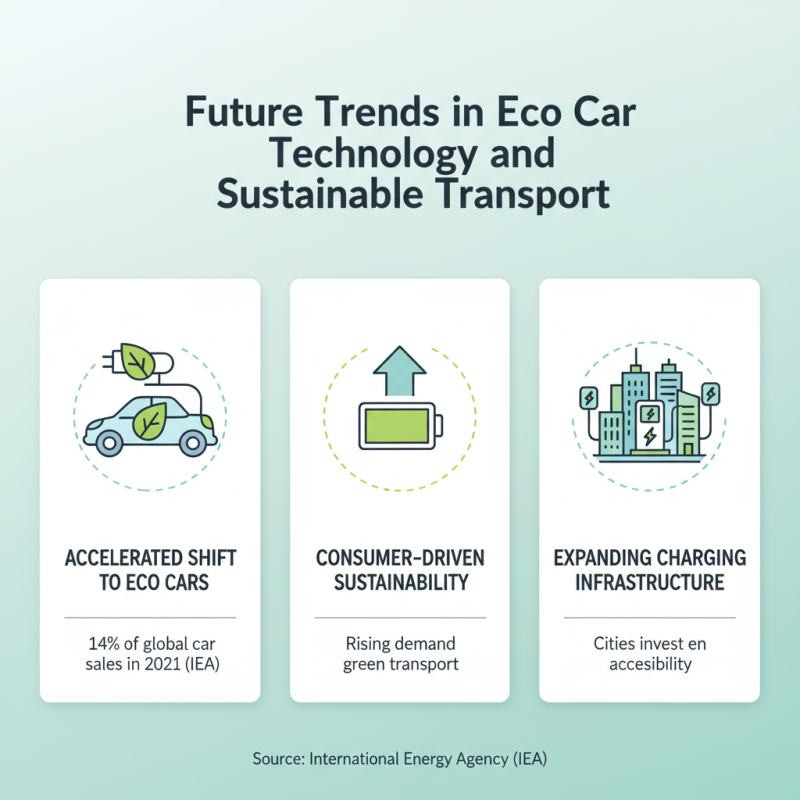
The shift towards eco cars is accelerating, driven by advancements in sustainable transport technologies. According to the International Energy Agency, electric vehicles (EVs) constituted 14% of global car sales in 2021. This growth reflects a rising consumer shift towards sustainability. Many cities are investing in charging infrastructure to support this trend, enhancing accessibility for eco car users.

Battery technology is evolving rapidly. Reports indicate that lithium-ion battery costs have decreased by 89% since 2010. This decline is making electric vehicles more affordable. However, challenges remain. The sourcing of raw materials can harm the environment, and recycling processes need improvement. Innovating in these areas will be crucial for achieving true sustainability.

Hydrogen fuel cells are also emerging as a viable alternative. Industry experts predict that the hydrogen fuel cell market could reach $34 billion by 2026. Yet, this technology faces hurdles, including limited refueling infrastructure and high production costs. Addressing these issues is essential to making hydrogen vehicles a practical option for the masses. The future of eco cars hinges on these evolving technologies and the commitment to overcoming existing barriers.

Start typing and press Enter to search