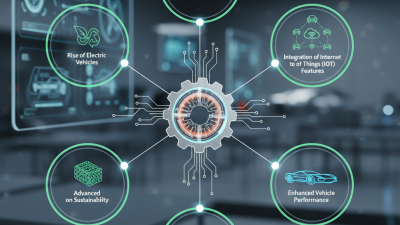
The eco car is becoming a significant topic in the automotive industry. According to a recent report by the International Energy Agency, the global sales of electric vehicles (EVs) rose by 54% in 2021. This surge reflects a growing desire for sustainable alternatives to traditional vehicles. Eco cars reduce greenhouse gas emissions, which is critical in combating climate change. Their lower carbon footprints are essential for our planet’s health.
Eco cars include various technologies like hybrids and fully electric vehicles. The U.S. Environmental Protection Agency notes that EVs produce zero tailpipe emissions. However, the production of batteries poses environmental challenges. These complexities warrant reflection on the overall sustainability of eco cars. Following eco-friendly practices is not always straightforward.
As the industry progresses, fostering awareness of eco cars is vital. More consumers need education on their full environmental impact. We must acknowledge the challenges and opportunities in this market. By doing so, we can work toward a sustainable future with eco cars at the forefront of change.
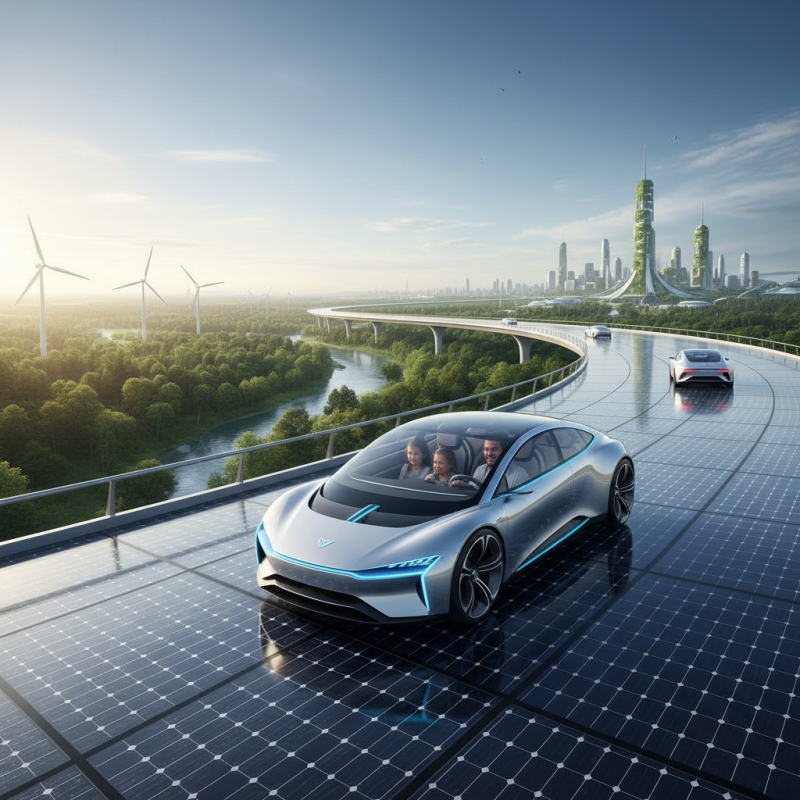
Eco cars, often referred to as environmentally friendly vehicles, are designed to reduce emissions. They play a vital role in minimizing air pollution. These cars typically have lower carbon footprints than traditional vehicles. Many eco cars feature electric or hybrid engines. This combination helps save fuel and reduces greenhouse gases.
Characteristics of eco cars include fuel efficiency and minimal reliance on fossil fuels. These vehicles often use lightweight materials. This helps them consume less energy. Regenerative braking systems are common in eco cars. They capture energy normally lost during braking. However, the infrastructure for charging stations is still developing. This can limit their practicality in certain areas.
While eco cars present a promising solution, challenges remain. The battery production process raises environmental concerns. Disposal of batteries can also pose risks. Moreover, some buyers are hesitant due to higher initial costs. Consumer education on suitable models is essential. Increasing awareness can drive sales and encourage sustainable choices.
Eco cars are designed to minimize environmental impact. There are three primary types: hybrid, electric, and alternative fuel vehicles. Each type has unique characteristics that offer various advantages.
Hybrid cars combine gasoline engines with electric motors. They enhance fuel efficiency considerably. Many hybrids use regenerative braking to recharge their batteries. Yet, this technology is not perfect and may still rely heavily on fossil fuels. Electric cars, on the other hand, run entirely on batteries. They produce zero tailpipe emissions. However, the production of batteries often involves mining that can harm the environment. Alternative fuel vehicles use sources like biofuels or hydrogen. These options show promise for reducing carbon footprints. Yet, infrastructure for refueling can be limited, making them less practical for some drivers.
Choosing an eco car is not always straightforward. While they offer benefits, potential buyers must weigh the advantages and drawbacks. Fuel economy, emissions, and sustainability practices matter. Understanding these factors can help make better choices for the planet.
Eco cars play a vital role in reducing emissions and pollution. They often use alternative fuels, such as electricity or hydrogen, which produce fewer harmful gases. This shift helps to lower the concentration of greenhouse gases in the atmosphere. As a result, eco cars contribute significantly to improved air quality in urban areas.
However, the benefits are not always clear-cut. Manufacturing eco cars can sometimes cause pollution. Battery production, for example, involves extracting materials that harm the environment. Many consumers are also unaware of the life cycle of these vehicles. Understanding the complete impact can lead to more informed choices.
Furthermore, while eco cars are cleaner, they are not a panacea. Some people may rely solely on them and ignore the need for public transport or biking. There is often a lack of infrastructure, making it difficult to fully embrace eco-friendly travel options. Communities need to think critically about how to best integrate these vehicles into a sustainable future.
Eco cars are gaining popularity for their economic advantages. They are generally more fuel-efficient than traditional vehicles. According to the U.S. Department of Energy, eco cars can save drivers over $1,000 per year in fuel costs. This amount can significantly ease the financial burden on families. Communities also benefit from lower overall fuel consumption. This shift can lead to decreased oil dependency and increased local job growth in green industries.
Tip: Consider using state and federal tax credits. Many governments offer incentives for eco car purchases. These can further reduce the overall costs, making green choices more accessible.
However, the initial purchase price can be higher. Some consumers may hesitate due to this upfront cost. It's essential to weigh long-term savings against initial expenses. Research from Consumer Reports states that eco cars often retain 40% more of their value after five years, providing a solid return on investment.
Tip: Think about total ownership cost. Maintenance, insurance, and fuel expenses play a crucial role in your budget. Balancing these elements helps in making informed decisions.
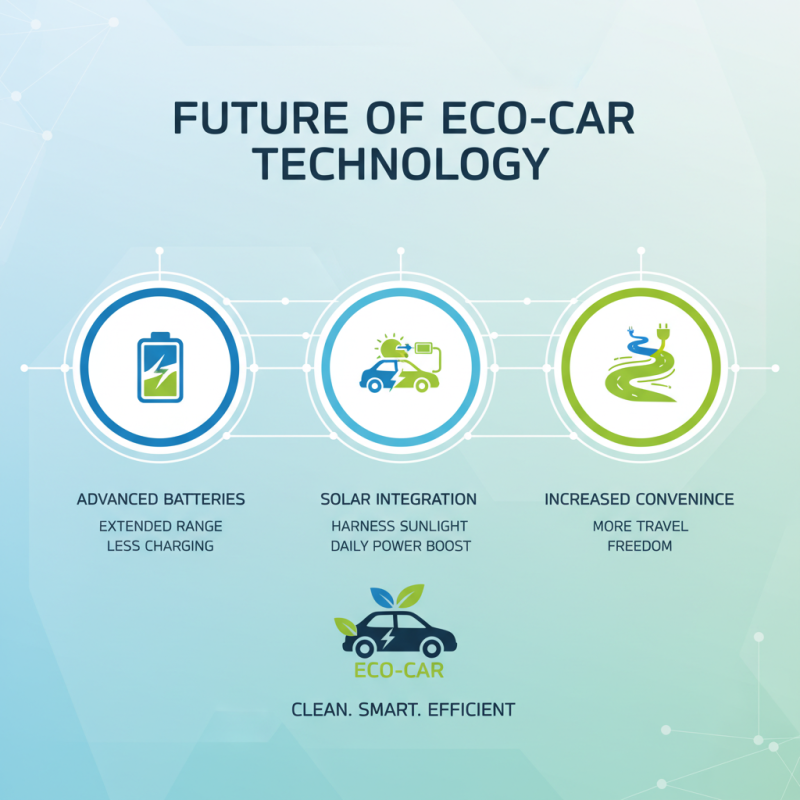
The future of eco car technology is exciting and dynamic. Innovations in battery technology are key. Improved batteries will increase the range of electric vehicles. This means fewer charging stops and more convenience for drivers. Solar panel integration is also being explored. Some cars may harness sunlight to extend their electric power for daily use.
Tips: Always research local charging infrastructure before purchasing an electric car. This can save you time and frustration later.
Autonomous driving technology is another trend. Self-driving eco cars can optimize energy use. They may reduce traffic congestion, helping to lower emissions. However, there are questions. How safe will they be? Will our infrastructure support them?
Tips: Consider the pros and cons of autonomous vehicles. Are you ready for the future?
There's also a focus on lighter materials. Reduced weight improves efficiency. This requires careful consideration of safety standards. Not every lightweight material is safe enough for vehicles. Balancing these elements is crucial for effective development.
Logel’s Auto Parts
116 Bridge St East
Kitchener, Ontario
N2K 1J6
Phone: 519-745-4751
Toll Free: 1-800-818-9118
Hours 8:00-5:00 Monday to Friday
At Logel’s Auto Parts, we serve a range of communities in Southern Ontario, including:
Sign up today for the latest updates from the Logel’s Auto Parts team, including pricing for scrap vehicles, our newest product lines, current operating hours, and much more.